Eldridge's Defensive Awakening Reframes His Value—And the Giants' Ceiling
By PropBetEdge Editorial Team ·
A 461-foot moonshot and a ninth-inning leaping snag on Tuesday reveal a first baseman finally matching his power stroke with the glove work that determines whether he sticks.
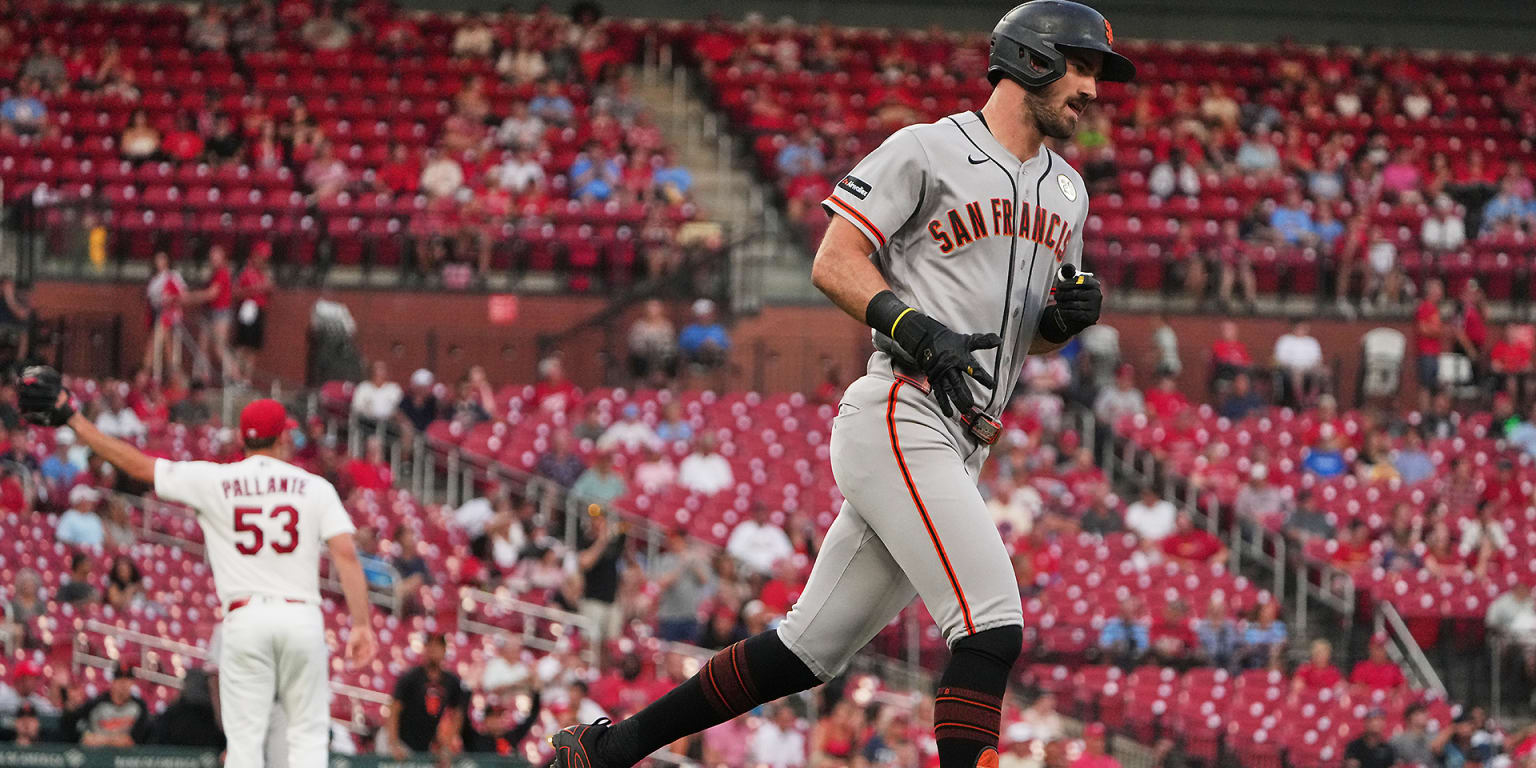
Bryce Eldridge yanked a 112.7-mph fastball into the right-center seats at Busch Stadium on Tuesday night—461 feet, his longest home run as a major leaguer and San Francisco's hardest-hit ball of the season. The two-run blast set the tone in a 10-3 Giants win. But Eldridge lit up just as visibly when asked about his ninth-inning defensive play: a leaping snag to end the game on a Victor Scott II grounder. For a 21-year-old who spent his entire minor-league ascent hearing questions about where his body fit defensively, that binary reads like a referendum on everything that's shifted this season.
Ron Washington, the Giants infield coach, has spent months drilling Eldridge on footwork, positioning, cutoff angles, and the spatial awareness that separates a first baseman from just a guy standing at the position. The work began in earnest during spring training and has compounded through the dog days. Washington's early read: Eldridge was learning, but the instincts weren't yet automatic. Now they are. "He looks natural now," Washington said after Tuesday's win. "He looks like he's a first baseman." The credit belongs partly to Washington's coaching, but the structure matters—Eldridge applied what he was taught and did the repetitive work that makes footwork feel like breathing rather than thinking.
Offensively, Eldridge has tracked upward in parallel. Over his past 28 games entering Wednesday, he's hitting .340/.424/.557 with 28 RBIs—ranking third in the majors in RBI production since August 14. Manager Tony Vitello notes Eldridge is now comfortable against left-handed pitching, with two strikes in the count, and in leverage situations. Some of that refinement traces to Rafael Devers, the veteran first baseman whose injury opened Eldridge's path to everyday at-bats. When Eldridge was tinkering mechanically and spiraling, Devers offered a counterintuitive fix: stop experimenting, find rhythm, stay toward left-center. Eldridge describes it as learning to "dance with the pitcher." The offensive uptick and the defensive solidity arriving at once is no accident—comfort in the field breeds confidence at the plate, and vice versa.
For bettors and front offices alike, this matters because Eldridge's upside was always theoretically immense but practically uncertain. A player who mashes but is a liability on defense is a DH candidate or a platoon piece. A player who hits at a .340+ clip over a month and plays competent first base is a foundational bat. The Giants front office has bet on Eldridge as "the future of the organization," per Washington's language. If the defensive competency sticks—and the footwork-as-foundation theory suggests it has a chance—Eldridge's power gains genuine structural weight. His home run and RBI props should price in a hitter who is both growing into a position and hitting at an elite contact rate. The market has likely factored in his 28-game hot streak, but the defensive development that extends that hot streak's shelf life is the overlooked variable.
Watch Eldridge's lineup placement and start frequency over the next two weeks. If the Giants keep him in everyday at-bats and lead-off or two-hole positioning, the coaching staff is signaling they believe the defensive work has stuck. If he starts platooning again or slides down the order, the gains are single-month noise. The bet itself is whether a 21-year-old's footwork discipline sustains his offensive rhythm—a small surface of stability in a prospect's development curve, but a real one.