MLB
Waldschmidt's Ninth-Inning Two-Run Shot Caps Diamondbacks' Walk-Off Win Over Dodgers
A second career home run in the bottom of the ninth flips a late-game deficit into a 4-3 Diamondbacks victory, with deeper implications for how Arizona's bench depth is weaponized down the stretch.
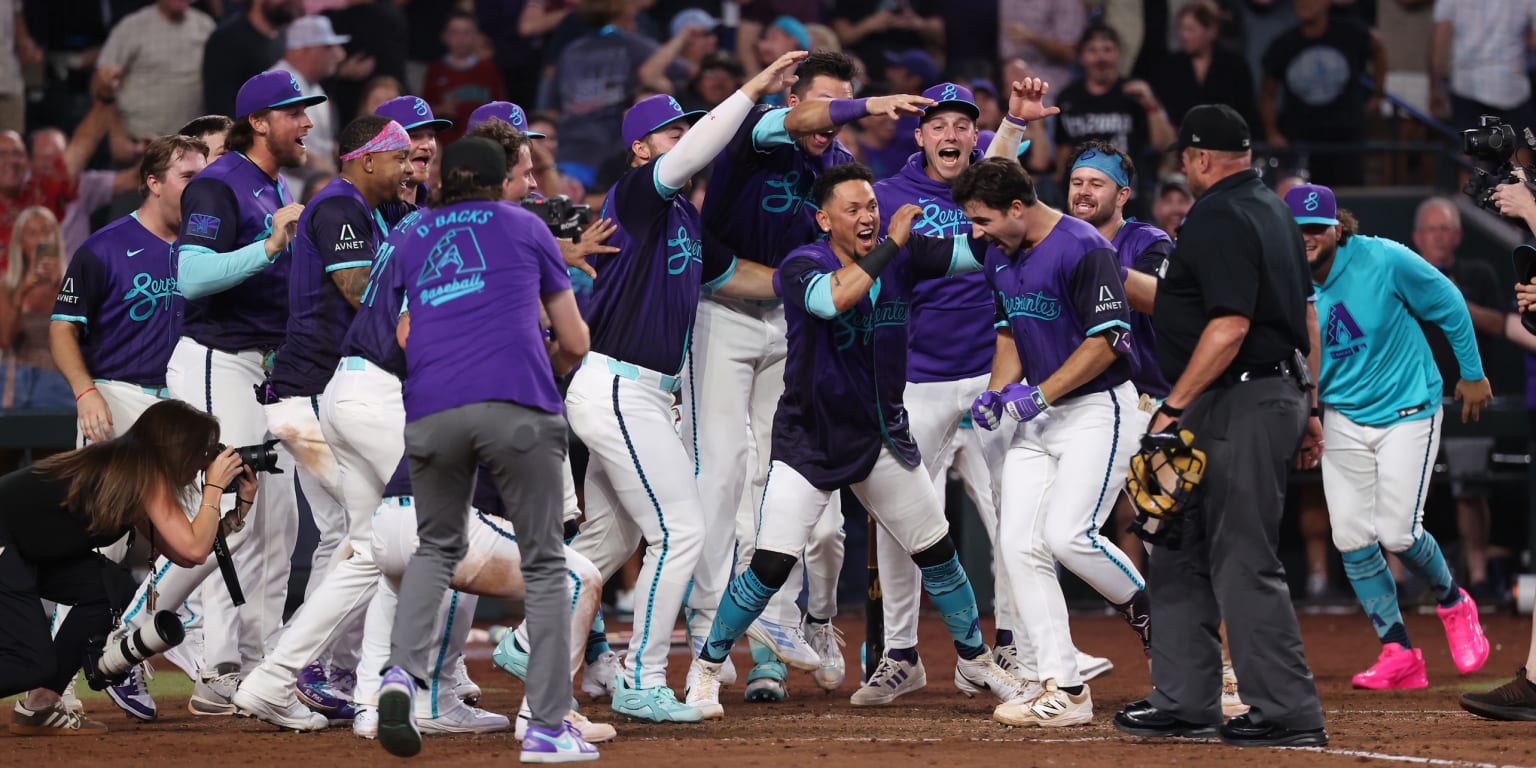
Ryan Waldschmidt delivered a two-run homer with one out in the ninth inning Friday night to lift Arizona past Los Angeles 4-3 at Chase Field. The shot came after Max Kepler's walk off Edwin Díaz and a subsequent pinch-run substitution, setting up a moment that will define the Diamondbacks' weekend narrative. The Dodgers had clawed back to take a 3-2 lead on Andy Pages' eighth-inning solo shot, but Waldschmidt's second career home run—his first being a relatively recent addition to his big-league resume—erased that deficit in a single swing.
The framework of this game reveals something structural about how Arizona's offense operates in high-leverage spots. Merrill Kelly had been dominant through five innings, holding Los Angeles without a hit while the Diamondbacks built a 2-0 lead; Corbin Carroll's wall-robbing catch of Tommy Edman in the third inning preserved that advantage. Kelly's exit with a right leg cramp in the sixth ceded momentum, and the Dodgers' steady chipping away—single runs in the sixth and seventh—exposed how Arizona's bullpen presence could tighten the margins late. The walk-off format typically favors the home team's bench depth and pinch-hitting options, and Waldschmidt's availability as a late-game bat validates Arizona's roster construction for October-caliber baseball.
From a betting standpoint, walk-off wins carry significant volatility in pricing for the following game. Markets tend to overweight the emotional momentum of a single dramatic victory, particularly one delivered by a bench player in a pennant-race matchup against a division rival. Waldschmidt's limited home-run track record—just two in his career—means this performance is unlikely to sustainably shift his individual prop pricing. His xwOBA and plate appearances against top relievers suggest he occupies a depth-chart role rather than a daily starter, which constrains the magnitude and persistence of any uptick in his strikeout or home-run lines.
The real betting angle centers on Arizona's team total and moneyline volatility in the immediate rematch. Sportsbooks often overcorrect following walk-offs, widening the underdog spread or shortening the favorite moneyline in ways that don't account for the regression-to-mean nature of clutch-hit performances. If Arizona moves from a +155 underdog to +130 based on Friday's outcome alone, that represents overcorrection; the Dodgers' quality remains structurally superior. Conversely, if Arizona's team total for Saturday tightens toward 4.0 runs—down from a typical 4.3-4.5 range—that reflects false confidence in offensive carry-over. The edge exists in fading the emotional tilt and recognizing that Waldschmidt's two-run shot was a single-game event anchored to specific leverage conditions, not a signal of sustained offensive dominance.