Verlander's Final Audition: Detroit Gambles on 43-Year-Old Ace for Playoff Stretch
By Ty Whitney ·
A successful simulated inning Friday positions Verlander for a mound return next Saturday, but his absence from a playoff race reveals how far Detroit's window has closed.
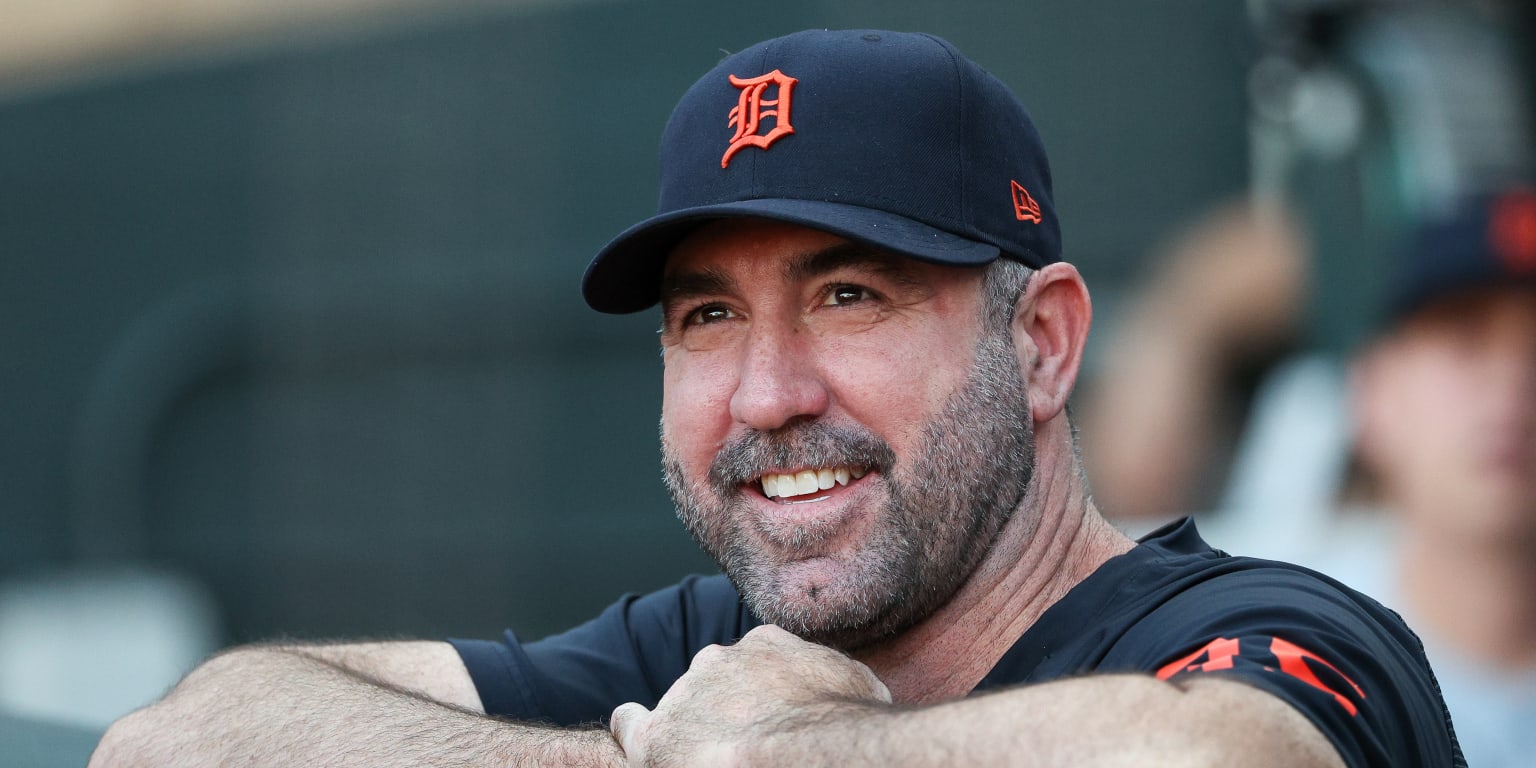
Justin Verlander threw approximately 20 pitches to minor-league hitters at Rate Field on Friday—a compressed, intentional sim game that Tigers manager A.J. Hinch described as clearing the final hurdle before a return to Comerica Park next Saturday against Pittsburgh. The 43-year-old right-hander, sidelined since late August on the 60-day injured list with a left hamstring strain, showed clean mechanics, induced swing-and-miss, and reported no pain or hesitation. For a franchise clinging to October relevance with nine games remaining in the regular season, it's a pivotal moment: Verlander healthy enough to pitch could add veteran leverage to a thin rotation down the stretch.
But the calendar tells a darker story. Detroit moved the sim game up from Saturday to Friday specifically to dodge Chicago weather—a decision that underscores how razor-thin their window has become. There is zero margin for setback or delay. Jack Flaherty, the other veteran starter being nursed back from right flexor inflammation since late July, will throw a two-to-three inning rehab start for Triple-A Toledo on Saturday, positioning him for a short outing either next Friday or Sunday. Hinch emphasized recovery monitoring over everything else. The Tigers are not building around these returns; they're triage-managing a depleted staff while competing in a division where the margin between October and October golf is measured in games, not wins.
Verlander's sim performance clears a medical gate, but it tells you nothing about whether a 43-year-old recovering from hamstring injury can hold up through a postseason gauntlet if Detroit somehow claws to a wild-card spot. The velocity metrics, workload sustainability, and ability to pitch on short rest against playoff lineups are all still unknowns. Flaherty's situation is similar—a two-inning rehab assignment is validation that he can throw without pain, not proof that he's a reliable playoff weapon. Both men are being fast-tracked because Detroit's alternative is relying on a rotation that has already proven insufficient.
For betting purposes, this matters primarily to Tigers rotation lines and team-total props. If Verlander takes the ball next Saturday, Detroit's implied run expectancy against the Pirates will improve slightly—a veteran arm on the mound beats the replacement-level alternative. However, a 43-year-old coming off a hamstring injury is not a high-confidence edge. Sharp books are already pricing in the modest upgrade; casual money will likely overweight the Verlander name and nostalgia factor. The real angle is fading heavy favorites to Detroit rotation props based on Verlander's return. Books may juice his strikeout total or innings lines in the first start back assuming full health; the smart move is treating this as a limited workload scenario where pitch count and early exit risk are elevated. His first few innings back are not a reliable strikeout source.