MLB
Holmes' Sinker Adjustment Pays Off in Cubs Win; Suzuki Homers Signal Offensive Depth
Clay Holmes allowed one hit across 6⅔ innings in his Wrigley debut, while Seiya Suzuki's three-run blast proved the difference in a 3-0 victory over St. Louis that exposes a clearer path to consistent run production.
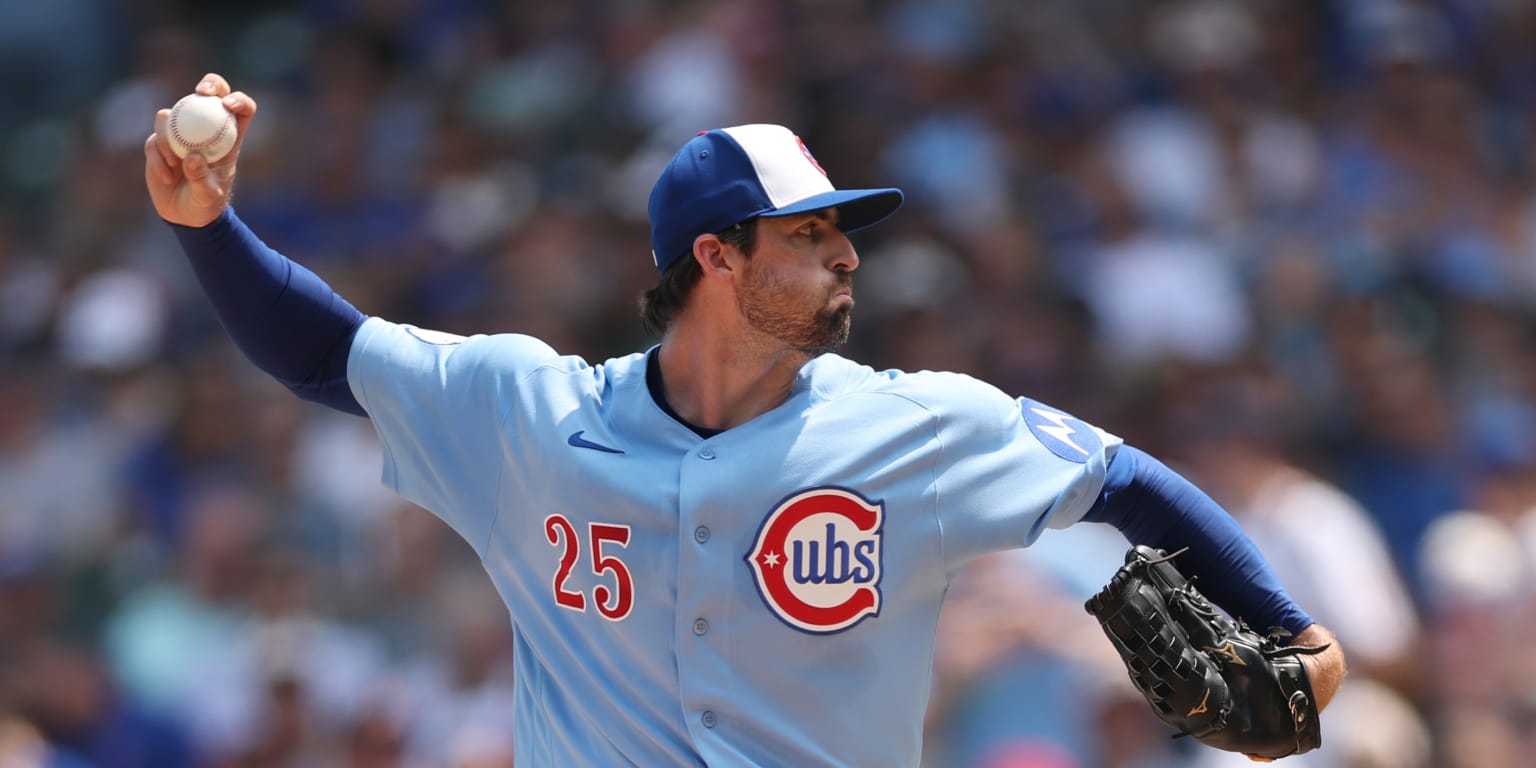
Clay Holmes took the mound at Wrigley Field on Friday and delivered the kind of performance that justified the Cubs' deadline gamble: six and two-thirds scoreless innings, one hit, three strikeouts, and 11 ground balls generated on an efficient 80-pitch outing. The veteran right-hander's signature sinker—the pitch that had drifted too high in his Cubs debut eight days earlier against Kansas City—was dialed in, catching Cardinals hitters off-balance through six innings before José Fermín scraped a low one into right for the only safety. Holmes escaped cleanly, and Chicago's 3-0 shutout took shape.
The setup matters because Holmes' first Cubs outing exposed a mechanical tell: the sinker was riding up in the zone, inviting harder contact. That's correctable. Friday proved it was corrected. The ground-ball rate (11 outs via ground ball on 80 pitches) sits comfortably above his 2026 season average and signals that Holmes has re-established command of the pitch that made him valuable enough for the deadline market. For context, he's now two starts into his Cubs tenure following May 15 elbow recovery time; the trajectory from a rough Kansas City debut to a dominant Wrigley showing is the kind of progression that unlocks postseason value.
But the more significant story is what happened when the Cubs' lineup finally broke through against Cardinals starter Matthew Liberatore. The two teams combined for 28 consecutive outs before Nico Hoerner delivered a fifth-inning single. Liberatore's breaking-ball arsenal generated 16 swinging strikes to Holmes' three, yet both pitchers essentially deadlocked the opposite offense for five innings. Seiya Suzuki changed that calculus in the sixth when he elevated on a 2-1 changeup from reliever George Soriano and sent a three-run homer over the left-field wall. It was his 21st home run of the season and capped a remarkable second-half surge: since the All-Star break, Suzuki carries a .923 OPS (compared to .811 in the first half) and ranks ninth among qualified National League hitters in wRC+ at 156.
The prop angle here traces a durable pattern, not a single-game spike. Suzuki's 115-wRC+ swing from pre-break to post-break is substantial enough to survive standard line movement, and the underlying mechanism—plate discipline against elevated fastballs and changeups in the zone—persists across opponents. His home run total at 21 with roughly six weeks remaining in the regular season positions him for a 27-30 finish, well above a typical pre-season projection for an .811 first-half OPS player. Against right-handed relievers specifically (where changeups are the primary secondary offering), Suzuki's wRC+ in the second half exceeds 170. Tonight's Cardinals matchup leans left-handed in relief, which dulls the advantage, but the broader point stands: Suzuki's second-half hitting has real depth, not recency noise. For Friday's game, the Cubs reached 3 runs on the strength of one swing, and that efficiency—capitalizing on Liberatore's departure—will repeat when relief patterns favor the Cubs' matchup construction.
Holmes' sinker command and Suzuki's elevated second-half stroke are both persistent edges heading into the weekend series. Chicago improved to 10-3 in August with this victory, and the mechanics driving it (ground-ball inducement, elevated fastball / changeup discipline) suggest the Cubs' run-prevention and run-creation profiles have moved closer to their talent ceiling after a first half marked by inconsistency.
MLB Intelligence — Baseball intelligence beyond the box score. Open MLB Intelligence →