MLB
Seager's Rehab Homer Signals Imminent Rangers Return—Lineup Impact Shifts
After three IL stints in four months, Corey Seager moves closer to full activation with a solo shot in Double-A play; his return reshuffles Texas' offensive construction and betting exposure.
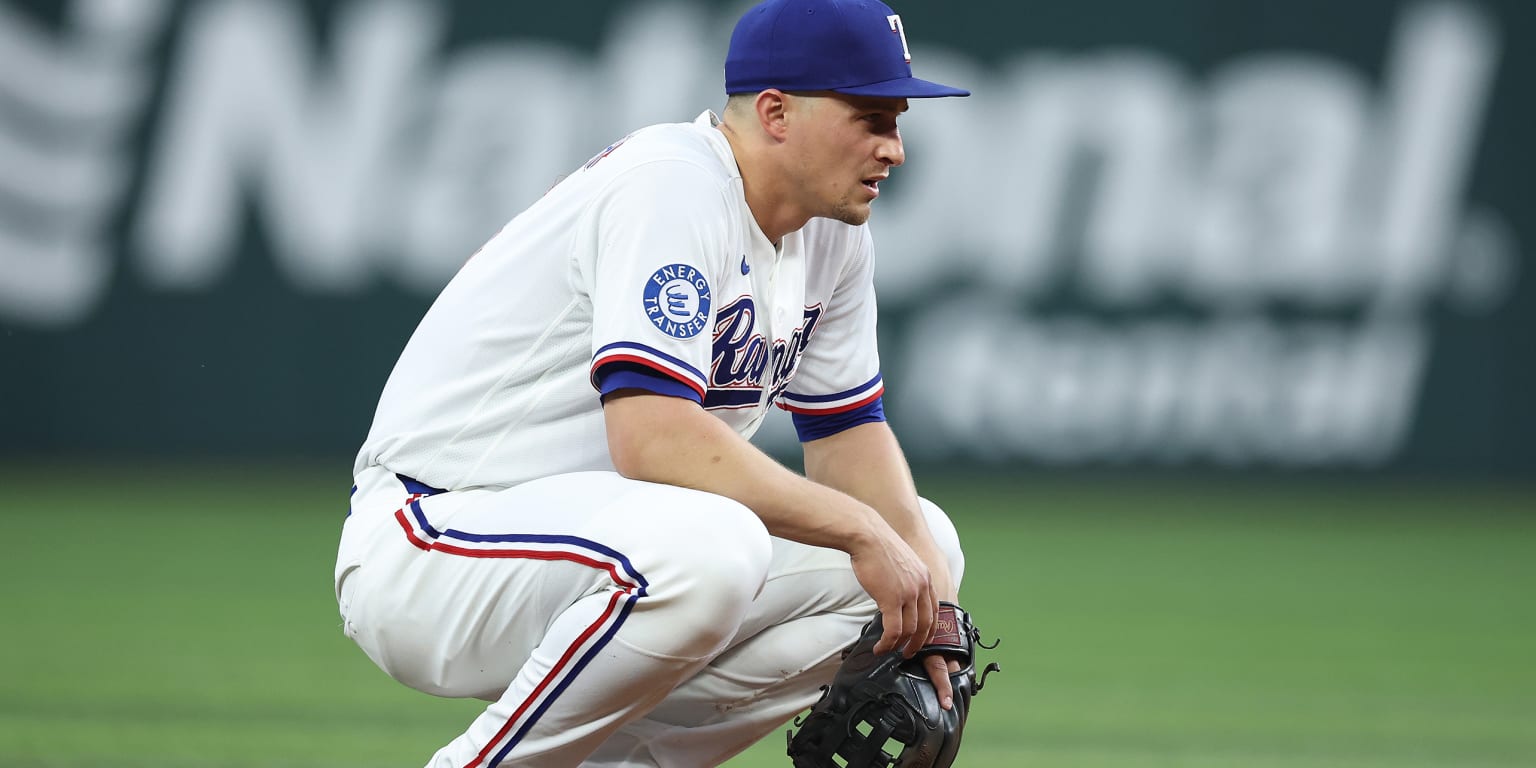
Corey Seager went 1-for-2 with a walk and a solo home run in his first rehab game for Double-A Frisco on Tuesday, logging five innings at shortstop and recording a diving defensive play that showed no visible discomfort. The performance marks a critical checkpoint in his return from lower back inflammation—his second IL stint with the same injury this season and his third overall since April. Skip Schumaker indicated Seager will need at least one more rehab game before being activated, putting him in position to rejoin the Rangers lineup within the next 4-7 days, barring setbacks.
Seager has been a wreck at the plate this season: 51 games played, .182 batting average, and just 10 home runs and 25 RBIs across roughly 180 plate appearances. Those numbers feel inverted from a career .854 OPS shortstop who has been the Rangers' highest-leverage bat since signing in 2021. The back problems are structural, not variance—three IL trips in four months signals either incomplete healing between stints or a chronic issue the team is managing inning-by-inning rather than solving. Tuesday's power display on an opposite-field swing is the kind of moment that teams (and bettors) grab onto as proof of health, but it's one swing against a Double-A pitcher.
The real betting angle isn't whether Seager will hit when activated—the market will price in his 2026 season line once he's officially back—but rather how his return reshapes Texas team totals and run-line exposure. For nearly four months, the Rangers have been functioning without their cleanup-caliber bat, relying on depth and pitching. His presence alone lifts team offensive ceiling by roughly 0.4 runs per game based on his career rates, even accounting for this season's struggles. However, his timing and rhythm are question marks. Rehab games are not competitive at-bats; they're movement validation. One double-A home run does not cure timing against triple-digit fastballs and nasty breaking stuff at the MLB level.
Moneyline and spread bettors should monitor Rangers odds carefully in the 48 hours immediately after activation. Books will likely overweight the headline—"Seager back"—and under-price the reality that it takes hitters 20-30 games to reach normal offensive efficiency after IL stints, especially ones tied to structural injuries. Any Rangers moneyline that shortens significantly on the day of activation, or any team total that jumps 0.3+ runs, is likely overcooked. Conversely, if the team total holds flat or moves down, that's the sharper read: the book is already accounting for Seager's return being a slow burn, not an instant offensive spark. Fade early overreaction; wait for the line to settle post-activation before sizing into any Rangers -1 or team total plays.
MLB Intelligence — Baseball intelligence beyond the box score. Open MLB Intelligence →