Seager's Absence Reshapes Rangers' Deadline Calculus
By Erik Schwartz ·
With their franchise centerpiece sidelined through at least early August, Texas faces an uncomfortable choice: patch the present or preserve flexibility for 2027.
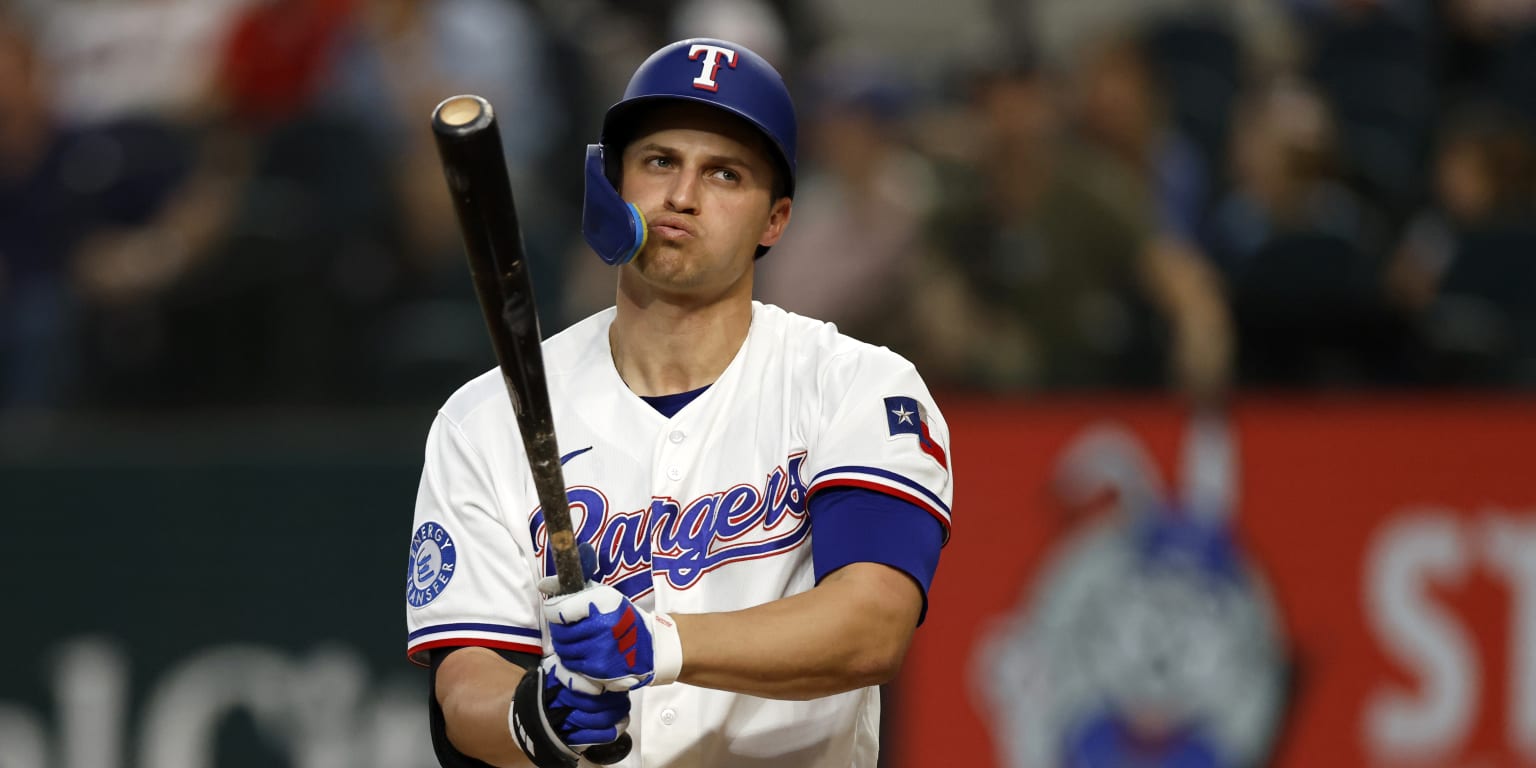
The Rangers have 13 days to decide whether to buy or hold at the trade deadline. Corey Seager won't be part of that answer. As of Monday, the reigning AL MVP remains weeks away from competitive action after a lower-back strain landed him on the 15-day injured list on July 1—his third IL stint in four months, following a concussion and an earlier back injury that cost him 19 games. Through 51 games, Seager has hit .182/.292/.374, a performance so depressed it almost masks the central problem: a shortstop generating $45 million in annual contract value while the Rangers navigate the tightest division race in baseball, where every club in the AL West hovers around .500.
That's where the leverage lies. The Rangers are treading water. They haven't collapsed without Seager—they're competitive in both the division and Wild Card picture—but club president of baseball operations Chris Young admitted the team hasn't played its best baseball, and that Seager's timeline remains a massive variable in any deadline strategy. Young framed the dilemma explicitly: "what's right for 2026, and what's right for 2027 and beyond." A healthy Seager in two weeks changes everything about how aggressive they get before Aug. 3. A continued absence narrows the window considerably and suggests the front office should be sellers or neutral, cutting salary and acquiring assets rather than chasing the present.
Seager's progression report offers neither relief nor clarity. He's begun ground-ball work and soft toss at 70-80% intensity—developmental moves you run on a player at least three weeks from game action. When asked directly when the star might return, Young deflected: "You have to ask him." That evasion itself is instructive. A team confident in a mid-August return would plot a more concrete timeline. Instead, management is protecting itself against another setback on an injury that has now demanded three separate IL stints this season. Seager's own comments—"Good, so far" on Monday—suggest he's feeling incrementally better, but the qualifier "so far" carries weight. Back injuries that flare up this early in a season don't resolve linearly.
For bettors, the Rangers' win total and playoff odds are already priced on the assumption that Seager remains unavailable through the deadline and possibly longer. The market has largely accepted a July-August without their cleanup hitter. What hasn't fully corrected is the volatility embedded in individual-game outcomes when Seager's status can shift on a day's notice. If he clears before Aug. 3—a 13-day window that seems increasingly unlikely but not impossible—Rangers team totals will experience immediate upward pressure in the games that follow his return. The early-August slate should be treated as a binary event: either Seager reenters the lineup and Texas gains 0.3-0.5 wins in expected value per game, or he doesn't and the Rangers continue grinding with their current roster. The market is already positioned for the second outcome. Bettors hunting value should monitor Seager's workload progression in the final 10 days before the deadline; any jump to 90%+ intensity work signals a possible near-deadline return, and that's your cue to reassess team totals and moneylines sharply upward before oddsmakers catch up.