Rangers' Depth Flexes as Seager's Third IL Stint Opens Window for Bench Contributors
By Ty Whitney ·
When a shortstop's injury history turns recurring, the team's ability to win hinges on who steps in—and Texas just proved its waiver-wire depth can handle the load.
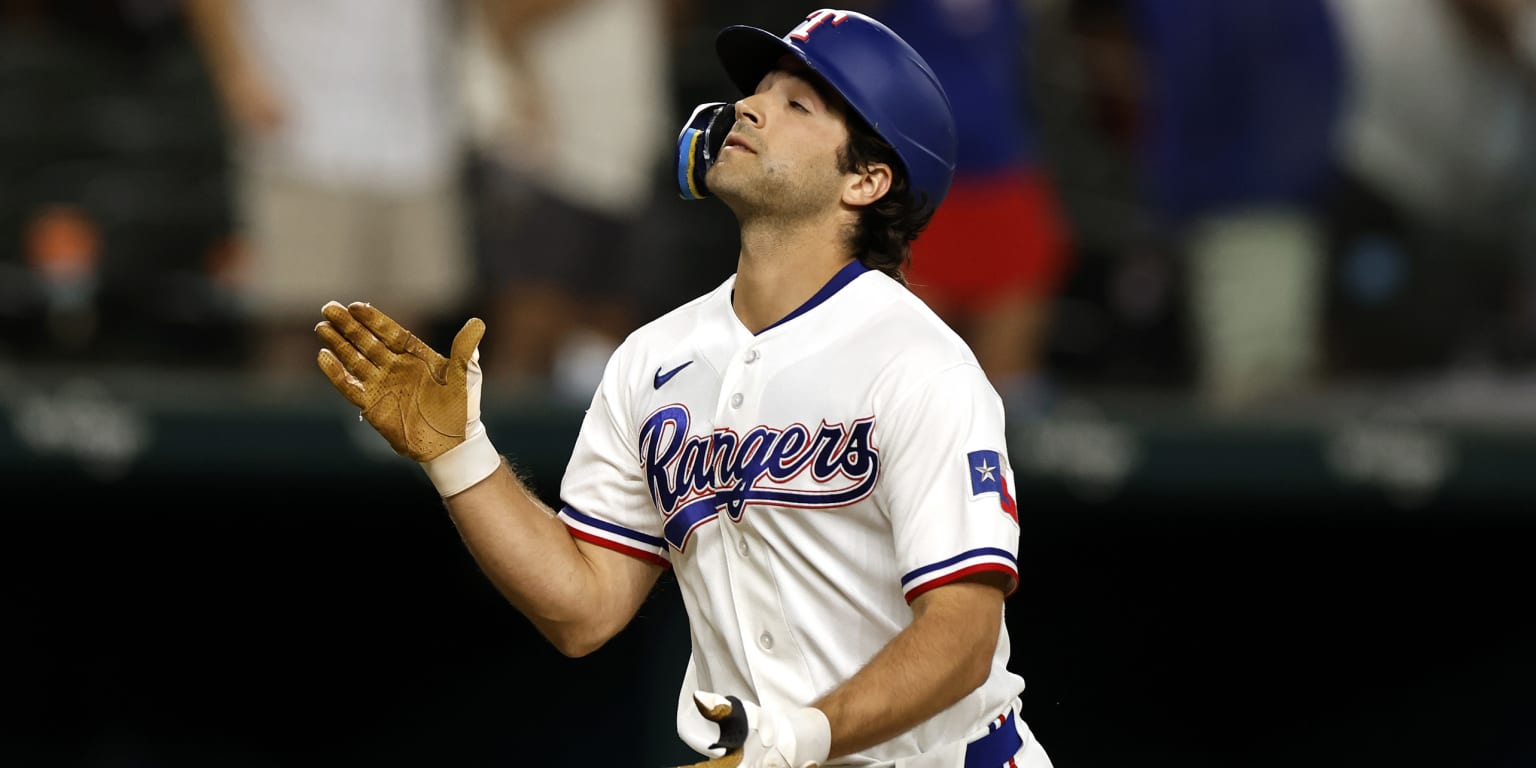
Corey Seager landed on the injured list for the third time this season on Wednesday, and by Thursday night, the Rangers had their answer: Josh Smith, recalled from Triple-A after a two-week stint in Round Rock, launched a 406-foot pinch-hit solo shot to provide insurance in a 10-4 rout of Detroit. It was the kind of moment that separates teams built on stars alone from teams built on stars plus functional depth. Smith's power display mattered, but the real story was the ecosystem around him—Elias Díaz (acquired June 6 after Kansas City designated him for assignment) opening the scoring with his own solo homer, Nicky Lopez going 3-for-4 in the nine-hole after signing with Texas on May 27, and Peyton Gray delivering a high-leverage strikeout on three pitches to escape a bases-loaded jam in the sixth.
What Texas constructed over the offseason and trade deadline was less a pitching overhaul than a utility-position insurance policy. The Rangers cycled through waiver claims and depth signings—the kind of roster moves that draw shrugs from national media but matter enormously when injury attrition hits. Seager's injury history is now a constraint on the season, not a surprise. He's spent significant time on the IL three times already in 2026, which means the team's ceiling depends partly on how efficiently Smith, Díaz, López, and others convert their opportunities into wins. That's not a rallying cry; it's a projection problem. A team with a chronically unavailable shortstop needs its replacements to post league-average or better offensive lines, not just show up.
For prop purposes, Seager's third IL stint opens a tactical window. Smith, López, and Díaz are all playing elevated roles now, which means their plate appearance rates and batting-order positioning will shift upward for as long as Seager is out. Smith entered Thursday with sporadic usage; a full return from the minors, especially with an instant power display, typically signals increased trust in high-leverage situations and pinch-hit opportunities. López's 3-for-4 performance reinforces his role as a reliable contact bat in the nine-hole, where he's likely to stay. Neither player will generate the offensive volume that a healthy Seager commands, but both now carry higher hit and RBI prop exposure than they did two weeks ago.
The key variable is Seager's timeline. If he's out for two to three weeks, these utility bats inherit enough plate appearances to move their season aggregate lines noticeably. If he returns within days, the spike is noise. Gray's strikeout rate and leverage usage may also tick upward if the Rangers continue to rely on him in close games—a sign that the coaching staff values his stuff in high-pressure moments. Watch whether Smith receives consecutive starts or returns to the bench once Seager is back; that tells you everything about whether the Rangers view this performance as a one-off or a reopening of his major-league case.