MLB · transaction
Red Sox Gamble on Mead's Upside While Trading Away Young Arm
Boston swaps a controllable left-hander for an infielder with upside in a July swap that signals aggressive deadline positioning despite roster depth questions.
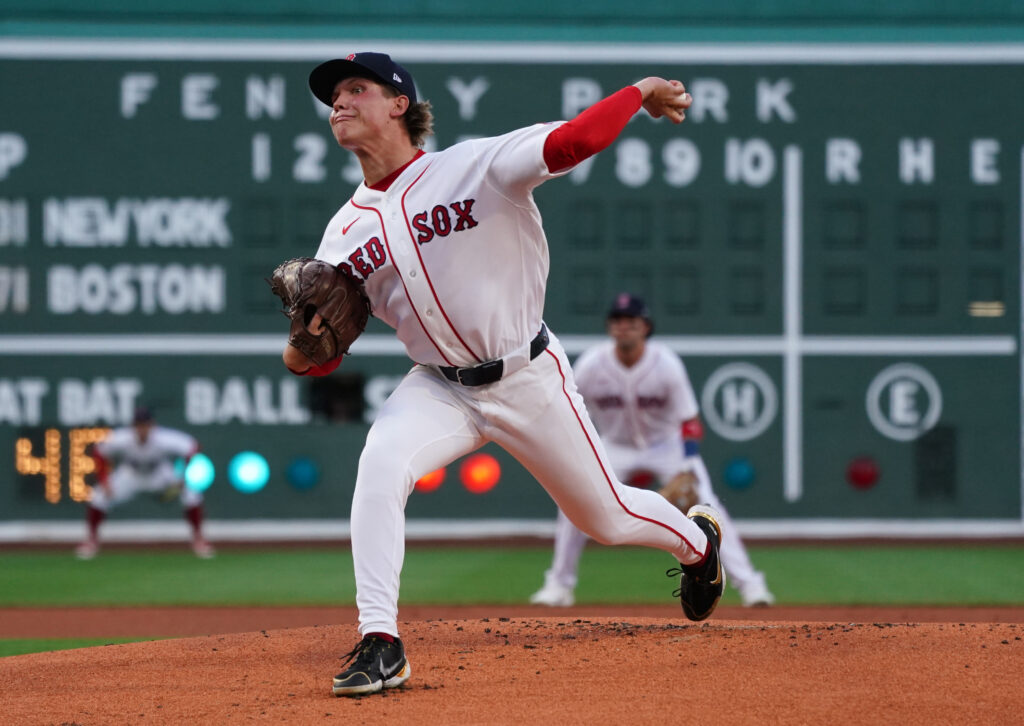
The Red Sox have acquired infielder Curtis Mead from the Nationals in exchange for left-handed pitcher Connelly Early, per ESPN. The deal arrives with Boston clinging to the final American League Wild Card spot—a trade that prioritizes offensive flexibility over pitching depth at a moment when both appear in short supply.
Mead represents a calculated bet on untapped potential. The 25-year-old infielder has rotated between positions in Washington's system and carries the kind of athleticism that front offices gamble on during stretch runs, even when his recent performance hasn't validated the investment. Early, by contrast, has provided tangible value as a cost-controlled rotation piece for a club already stretched thin on starting pitching. At 26, he possesses a multi-year control window—exactly the asset contending teams typically hoard when they're still mathematically alive.
The Nationals' logic tilts toward deadline pragmatism: a team outside playoff contention trades a wild-card-caliber prospect for proven rotation depth. Boston's logic is trickier. The club needed infield help—injuries and inconsistent production have created gaps—but surrendering a young starter with a clean delivery and strikeout upside (Early posted a 24% K-rate last season) assumes the offense can carry them further than rotation health. That's a statement bet on their hitters' ability to outscore the competition over a compressed playoff window.
For prop positioning, the trade reshapes Boston's offensive profile. Mead will likely see at-bats against right-handed starters, competing for innings at second or third depending on roster configuration. Early's departure narrows the Red Sox's stable of reliable mid-rotation options, which means remaining starters absorb higher leverage situations and fatigue exposure—factors that ripple into strikeout and innings-pitched lines for the remaining staff. If Mead produces at a league-average clip (.260 AVG, 110 OPS+) against right-handed pitching, the offense gains 0.3-0.5 wins over the final 40 games. If he underperforms that floor—a real risk given his .226 average and 76 OPS+ last year—Boston has traded away depth for a sunk cost.
The betting edge lies in the margin of error. Red Sox strikeout props for starters like [remaining rotation anchor] should see modest line increases as Early's K% exits the pool; simultaneously, Boston team totals face headwind if Mead's integration period involves extended slumps. The Nationals' trade deadline posture—selling relief and defense, rebuilding organizational depth—suggests Washington expects to play out the string. That changes how their pitchers are deployed and rested, creating potential inefficiencies in under pricing for their remaining starters down the stretch.
MLB Intelligence — Baseball intelligence beyond the box score. Open MLB Intelligence →