McClanahan Out for Regular Season; Rays Rotation Faces September Crunch
By Justin Erickson ·
Tampa Bay's ace won't pitch again this year, forcing the Rays into a makeshift rotation stretch run that reshuffles bullpen usage and team total calculus.
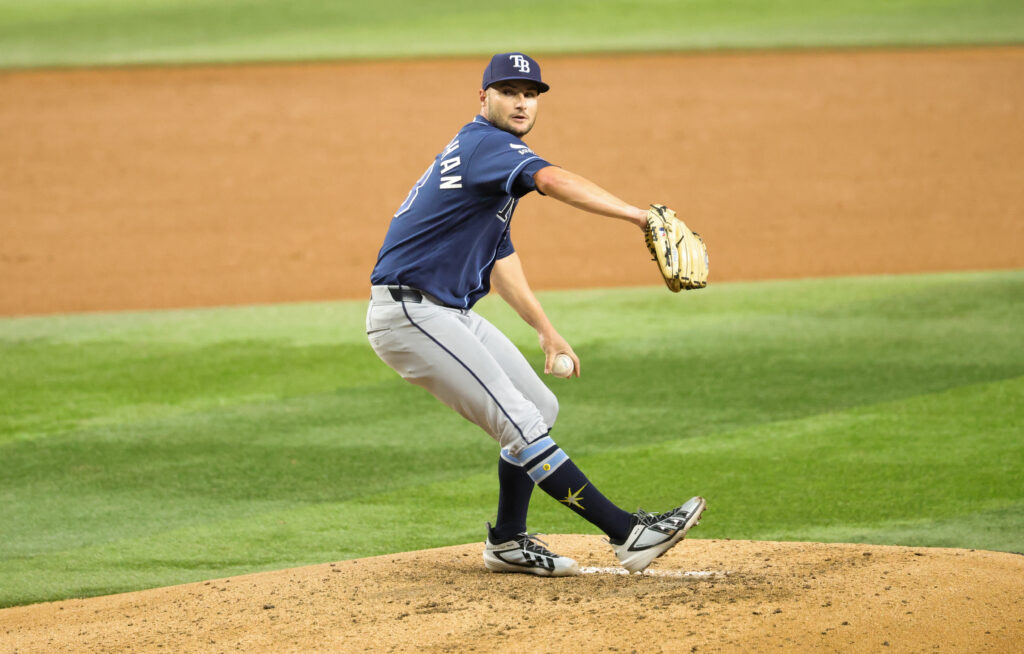
Shane McClanahan will not return for the Tampa Bay Rays in 2026. The left-handed starter has been sidelined since September 4th with left forearm tightness and remains limited to playing catch, per Marc Topkin of the Tampa Bay Times. Manager Kevin Cash confirmed the reality: there are 11 games left in the regular season, and McClanahan won't be part of them. For a Rays rotation already thin on depth, losing a 200-inning arm in September is a structural problem, not a roster setback.
McClanahan has been one of Tampa Bay's most reliable starters this season—the kind of pitcher who typically logs innings in high-leverage spots down the stretch. His absence forces the Rays into a three-week rotation crunch where depth options, spot starters, and bullpen games become necessity rather than preference. The forearm issue carries obvious postseason implications as well; even if the Rays make October, McClanahan's availability remains uncertain. The team will rely on combinations of established rotation members, minor-league call-ups, and extended bullpen duty to navigate the final stretch. This isn't a mid-season adjustment with seven weeks to regroup—it's a September rotation emergency with playoff positioning still in flux.
The betting effect ripples through multiple vectors. First, Rays team totals in the final 11 games should trade tighter; without McClanahan anchoring a start, Tampa Bay's expected runs in any given game decline slightly. Teams facing the Rays can expect more bullpen innings and less consistency in quality starts—a subtle but measurable edge for over-betting opponent run production. Second, bullpen workload for the Rays will spike noticeably. Relievers already fatigued by a compressed schedule now absorb additional innings, driving up injury risk and arm fatigue that affects late-inning reliability. Any Rays relief arm showing wear entering this period becomes a fade candidate; conversely, opponent bullpens suddenly face fresher arms in games where the Rays must lean on relief depth.
For prop bettors, the most durable angle is opponent run production in Rays games over the next 11 days. When a team loses a quality starter this late in the season, the market often underweights the compounding effect: not just the loss of one pitcher's expected ERA contribution, but the cascade of secondary effects (bullpen exhaustion, spot-start variance, pressure on offense to carry more weight). The Rays' pitching staff depth index drops meaningfully, and sportsbooks haven't fully priced that into team total lines. Fade Rays unders in September; the math no longer holds without McClanahan.