MLB · roster-move
Fraley's Release Signals Rays Pivot Away From Veteran Outfield Depth
Tampa Bay's decision to cut ties with Jake Fraley rather than accept a minor league demotion reveals organizational impatience with a veteran bat heading into the offseason.
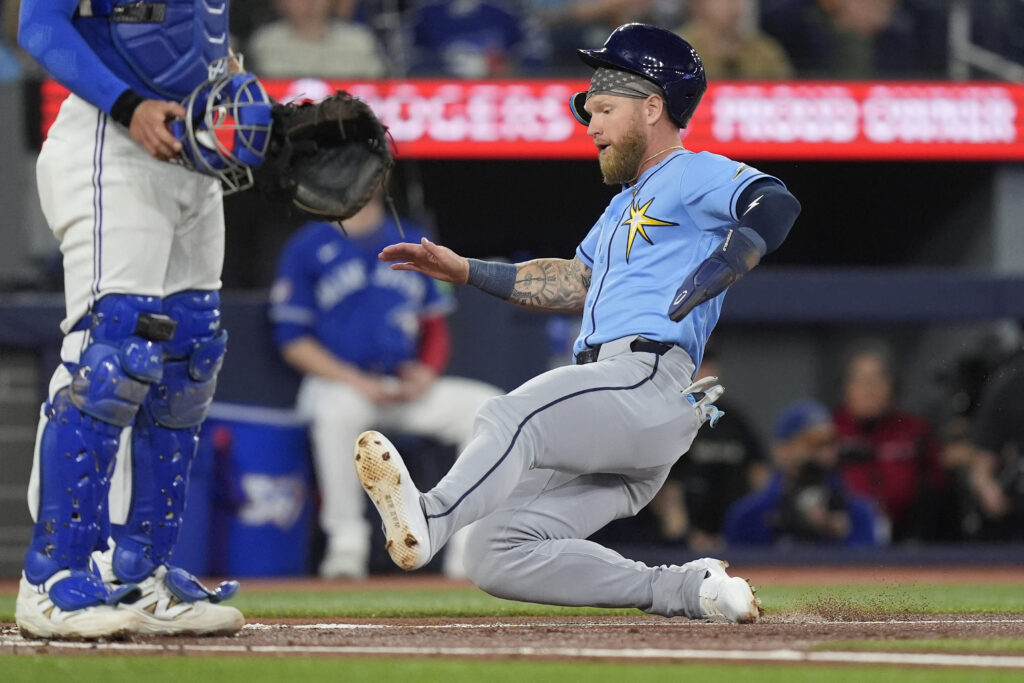
The Rays released outfielder Jake Fraley on Tuesday after he declined a minor league assignment, ending his tenure in Tampa Bay ahead of free agency. Per The Tampa Bay Times, the move came days after Fraley was designated for assignment—a standard procedural step that became terminal when the player refused the reassignment option. With three weeks remaining in the regular season and the Rays' playoff window effectively closed, the organization elected to sever the relationship rather than retain him in any capacity.
Fragley's release underscores a broader roster philosophy shift in Tampa. The 30-year-old outfielder earned $9 million this season but produced a .217/.304/.371 slash line—a significant underperformance relative to his career norms and the team's expectations when acquired. His inability to deliver at the plate left the Rays with limited flexibility in the outfield picture, particularly as injuries mounted elsewhere on the roster. Rather than hold salary commitment or sink resources into a prolonged minor league rehab assignment, Tampa Bay chose the cleaner path: walk away and redeploy those roster spots toward younger or more productive pieces in the final month.
The timing and mechanism matter for understanding Tampa's broader talent evaluation. Fraley's refusal to accept demotion—a choice available under his contract—forced the Rays' hand into an all-or-nothing decision. The team's willingness to eat the remaining salary and absorb the roster inefficiency suggests confidence that his absence creates more value than his presence. That calculation doesn't happen if there's a reasonable chance of a late-season resurgence or playoff utility.
From a prop-betting lens, Fraley's departure has minimal direct impact on Tampa Bay's season-long totals—the Rays' playoff odds were negligible, and his offensive output has been a drag on team production for months. However, his exit does signal organizational lean toward younger outfield options and reinforces the thesis that Tampa's remaining regular-season games carry heavy weight in evaluating which prospects are ready for 2027 roster construction. Any Rays outfielder thrust into regular playing time in the final three weeks—whether internal call-up or platoon incumbent—warrants close attention for individual prop lines, as they'll receive elevated volume and leverage that doesn't reflect their baseline season-long output.