Wells Out, Bullpen Depth Tested: Tampa Bay's Relief Corps Faces September Gauntlet Without Its Trade Deadline Prize
By Justin Erickson ·
Tyler Wells' forearm injury strips the Rays of their steadiest reliever at the worst possible moment, forcing Tampa Bay to lean on untested arms and Triple-A call-ups in a playoff race.
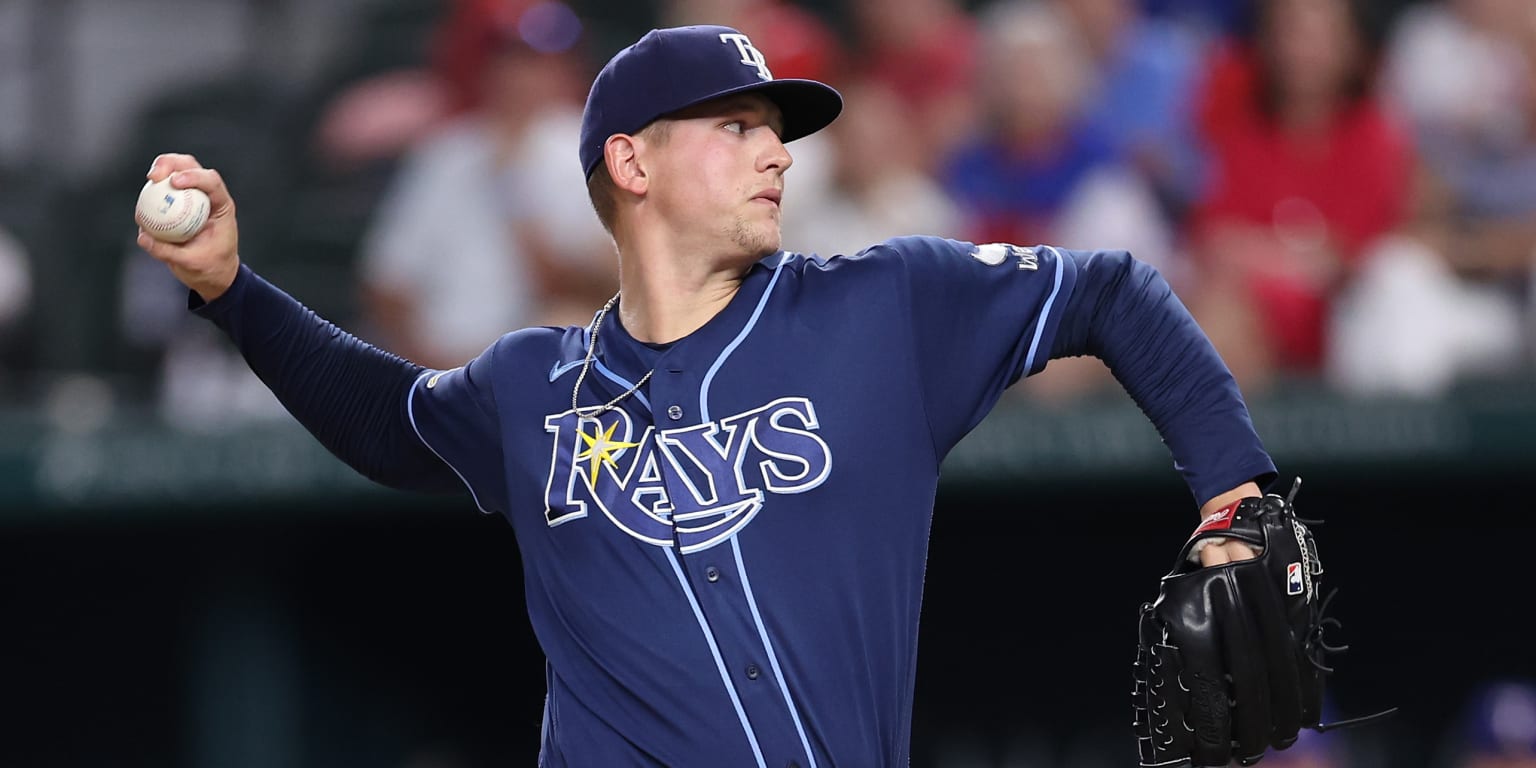
Tyler Wells, the 32-year-old right-hander the Rays acquired from Baltimore at the Trade Deadline, landed on the 15-day injured list Tuesday with right forearm tightness. In his 14 appearances since the swap, Wells had been surgical—a 1.50 ERA, the kind of velocity-backed performance that suggested Tampa Bay had extracted genuine value from a veteran rental. Now that's gone. The timing is brutal. With Manuel Rodríguez and Garrett Cleavinger already sidelined, the Rays bullpen has hemorrhaged its highest-leverage arms heading into September, when postseason positioning still matters and workload only intensifies.
The Rays' response reveals the thinness beneath the surface. Alex Cook, a 25-year-old right-hander who debuted in July and posted a 4.53 ERA across his two early-season trials, will be recalled from Triple-A to fill the void. Cook's first appearance—two scoreless innings on July 31—looked promising. His second outing, on August 2, painted a different picture: three runs in 1⅔ innings. That's the full data set on which Tampa Bay must now rely in high-leverage spots. The team has also promoted prospects Ty Johnson and Brody Hopkins to patch earlier roster holes, creating a relief unit that looks more like triage than construction.
Jake Fraley's return from a five-month hernia layoff offers a minor counterweight. The outfielder, sidelined since May, rejoined the roster after a rehab stint that began late August. Before his injury, Fraley carried a .690 OPS with two home runs in 28 games—respectable depth production but not transformative. His value is volatility; the missed time introduces rust that testing in September games will expose quickly. His presence adds an available body, not a solved problem.
The bullpen upheaval reshapes the Rays' leverage calculus for the remainder of the month. Wells' 1.50 ERA was elite-level performance; Cook and Hopkins are not proven to operate at that threshold. Sportsbooks have already absorbed the news that Tampa Bay's relief depth took a meaningful hit—any game total adjustment is already baked into opening numbers. The real edge lies in how the Rays deploy their remaining trusted arms. The bullpen will show higher usage rates for whatever healthy veterans remain, which means elevated injury risk for those arms and fewer options in blowout scenarios. For prop purposes, this means backing unders on Rays team totals when Cook or Hopkins are scheduled to pitch high-leverage innings. The Rays' run-scoring environment doesn't change, but their ability to protect leads with elite relief certainty has diminished. That's a structural disadvantage that favors lower-scoring outcomes in individual games.