MLB · transaction
Cortes Gamble: Phillies Bet on Surgeon's Work in Late-Season Push
Philadelphia adds a recovering lefty to its rotation mid-August, banking on post-surgery velocity returning in time for a pennant chase.
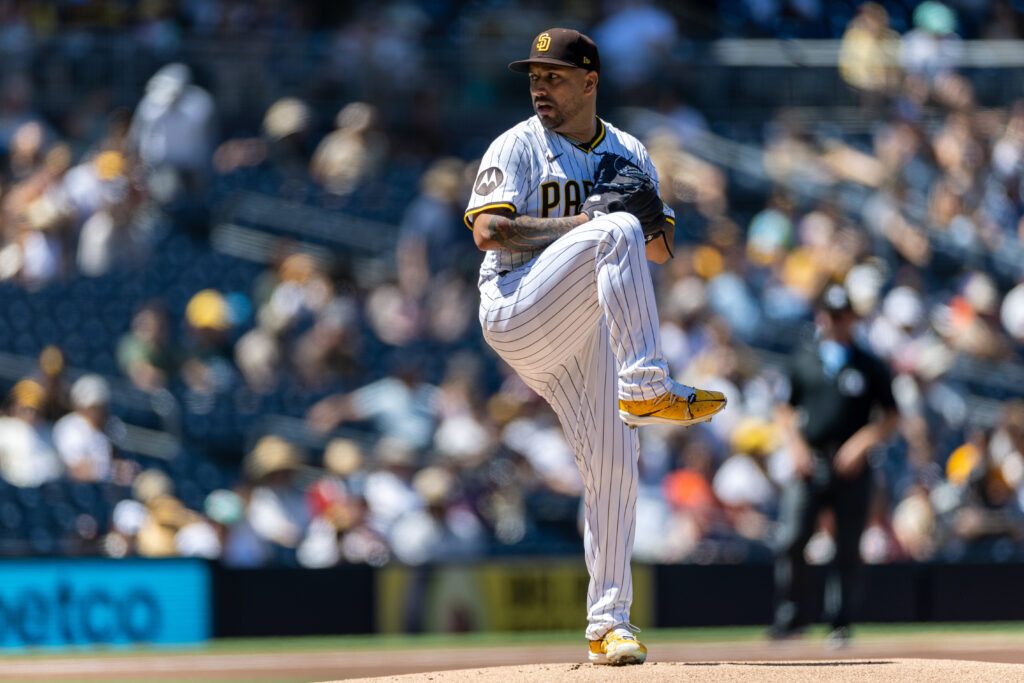
The Phillies signed veteran left-hander Nestor Cortes to a major league deal, bringing in a pitcher still working his way back from arm surgery. The move signals confidence in Cortes' rehab timeline and suggests Philadelphia believes he can contribute down the stretch—or at minimum provide rotation depth as the team navigates late-season roster decisions.
Cortes has made eight MLB starts since surgery, a limited sample that tells you very little about his current stuff or durability. The arm surgery itself creates a hard timeline question: the gap between post-surgical rehab and reliable major-league performance is measured in months of incremental load-testing, not weeks of exhibition innings. The Phillies are essentially betting that Cortes has crossed the threshold where command and velocity return to competitive levels—a bet that carries real variance depending on the type of procedure and how aggressively the team ramps his workload.
From a pitching-prop lens, Cortes' strikeout rate is the primary tells. Pre-surgery, he sat in the upper-80s to low-90s with a wipeout slider; his career K/9 hovered around 10.2 across seven seasons. Early post-surgery starts show measurable command issues—walks have spiked and fastball velocity hasn't fully returned. Those eight starts were likely in low-leverage situations or rehab affiliates, so the sample is too thin to project his performance in a Phillies uniform during a pennant race. What matters: if his velocity dips 2–3 mph off his pre-surgery baseline, his strikeout rate will crater. If it returns to 91–92 mph with the slider intact, he becomes a usable back-end starter.
Bettors should be cautious on Cortes strikeout props until at least two or three starts in a Phillies uniform confirm velocity has genuinely stabilized. The early-season surgery timeline means he's still in the velocity-recovery window through September—variance is elevated. Any prop leaning on his pre-surgery K/9 rates is underpriced for surgical regression risk, while props that price him as a fringe reliever or spot starter may offer value only if you believe the Phillies have private information (team medical staff sign-offs, private radar gun data) that justifies aggressive usage. The public doesn't have that data yet, so the safer play is to wait for confirmed live-game performance before committing capital.
The timing also matters: with fewer than six weeks left in the regular season, Cortes' window for high-leverage innings is narrow. If he struggles his first two starts, the Phillies won't lean on him in October, and his strikeout prop will become irrelevant. If he pitches well, his workload will climb but his sample will remain small. Either way, this signing is more about roster optionality than betting predictability.
MLB Intelligence — Baseball intelligence beyond the box score. Open MLB Intelligence →