MLB
White Sox Defense Flexes in Series Opener; Burke Leans on Effort Over Stuff
Tristan Peters' wall-crashing catch set the tone in Chicago's 8-2 win, but the real story is pitcher Sean Burke's reliance on his defense to survive early innings against Baltimore.
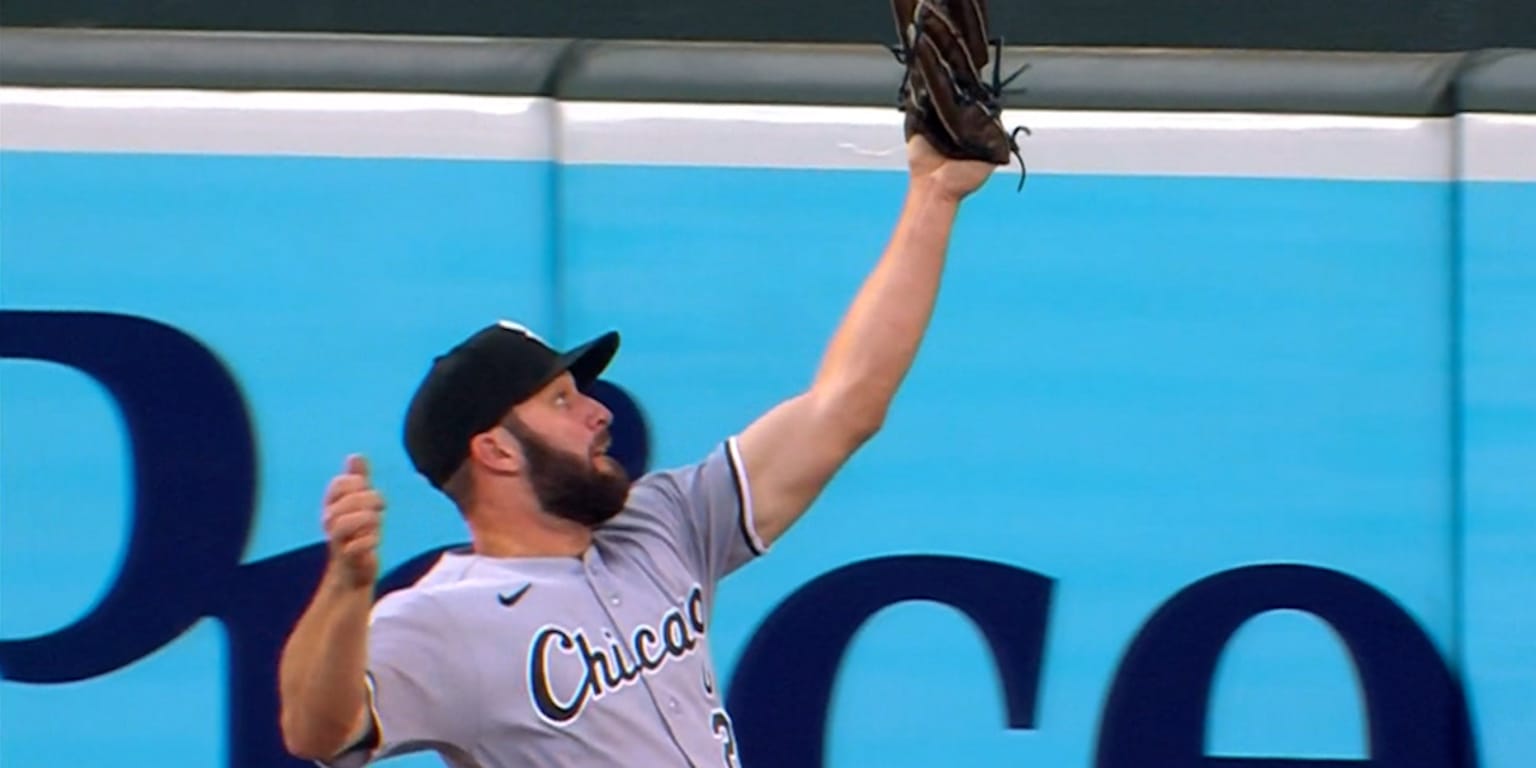
The White Sox rolled past the Orioles 8-2 on Monday night in Baltimore, but the decisive moment came not from the batter's box but from center field. Tristan Peters tracked a Dylan Beavers line drive into deep right-center, covered 85 feet in 4.7 seconds at a sprint speed of 29.1 feet per second, and crashed into the wall to rob extra bases with one out in the fourth inning. The catch arrived at a critical juncture—the game was knotted 2-2, and Sean Burke, the White Sox starter, was locked in a tight contest with Orioles starter Shane Baz.
Burke's approval of the defensive effort wasn't casual. He explicitly noted the mentality coursing through the Chicago lineup: Sam Antonacci getting hit by pitches, Miguel Vargas diving into the netting, Peters absorbing a wall collision—these weren't isolated plays of grit. They were a statement about team identity and how Burke was pitching. When a pitcher says his defense is "giving everything they got," he's often signaling that he isn't. Burke's early-inning struggle (the game remained tied into the fourth) suggests a starter leaning on defense and mistake-aversion rather than overpowering stuff to navigate the Orioles' lineup.
The Orioles mustered only 5 hits and 2 runs across nine innings, which on the surface reads as Burke dominance. But the context matters: Peters' catch prevented what would have been extra bases in a tight ballgame. Beavers' liner had enough carry and direction to potentially score a run or set up a bigger inning. One defensive gem doesn't explain an entire pitching performance, but it does reveal where the game's pivot point sat—not on the mound, but on the angles.
For prop bettors, the takeaway is directional but specific. Burke's strikeout line entering this series likely sat near his season average (around 7.5-8.5 per nine innings), but his performance Monday—relying on contact management and defensive support rather than the high-velocity finish that would drive swings-and-misses—suggests a pitcher operating in a lower K-rate environment than his mid-season profile. The White Sox won 8-2 largely because the offense moved runners and capitalized on opportunities downfield, not because Burke struck out the Orioles core. If Burke's next start lands against a team with a lower defensive efficiency or one that doesn't employ the same aggressive contact-first approach the White Sox showed Monday, expect his K totals to dip. Burke's workload through six strong innings (allowing 2 runs on 5 hits) came with zero strikeouts recorded in the box score during the early innings he struggled through, a sign that Baltimore was making contact on pitches he wasn't confident enough to elevate.
The deeper implication: teams that win games by constructing defense and situational baseball—rather than explosive individual performances—tend to sustain those patterns. The White Sox message, delivered through Burke's own words, is that the 2026 roster is built on contact defense and leveraging every play. For bettors following Burke's strikeout trajectory this season, Monday's game reveals that his K ceiling may be lower than Vegas assumes when the White Sox play Chicago-style baseball: contact, positioning, and walls that hurt.