White Sox Turn May Stretch Into Playoff Positioning: A Franchise Reset Nobody Saw Coming
By Ty Whitney ·
Chicago closed May 18-10 and one game behind first place in the AL Central—a stunning reversal from preseason expectations that forces a complete recalibration of their second-half ceiling.
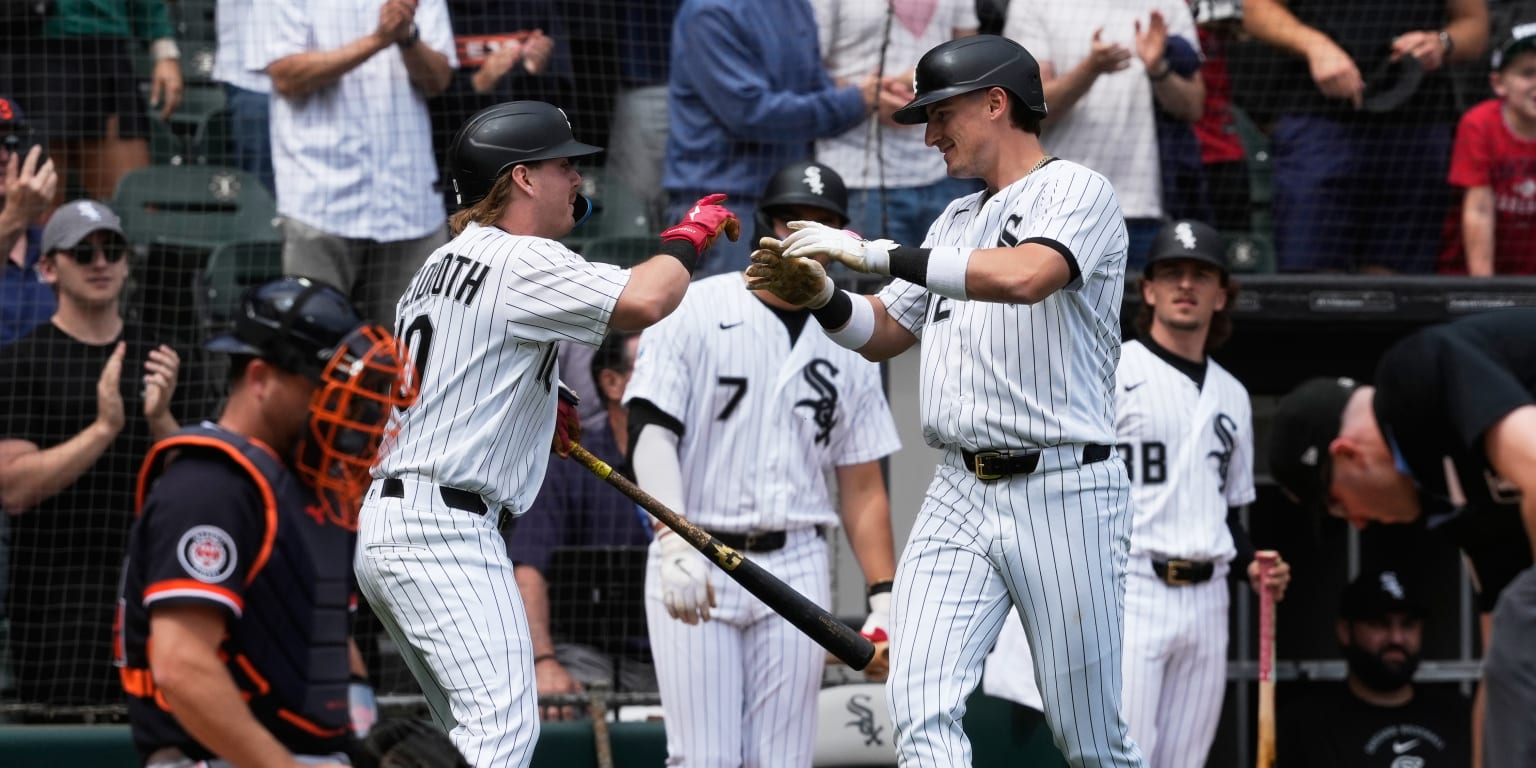
The White Sox finished May with an 18-10 record, tied with Cleveland in the loss column and just one game back of the AL Central lead. For a franchise that entered the season as a consensus rebuild candidate, this isn't a feel-good narrative—it's a structural shift. A five-game winning streak capped by a 2-1 comeback over Detroit on Sunday, combined with a 16-16 record in their last 19 home games, signals that Chicago's pitching depth and lineup volatility have found a dangerous equilibrium.
Sunday's victory over the Tigers illustrates the mechanics of their recent surge. Sean Burke gave up an early run but held Detroit to two hits over 5 1/3 innings; the Tigers' Keider Montero dominated through six frames on just 65 pitches, having allowed only two hits himself. But the moment A.J. Hinch turned to Drew Anderson in the seventh, the White Sox unloaded four consecutive hits—Colson Montgomery's 15th home run, followed by singles from Chase Meidroth, Jacob Gonzalez, and Tristan Peters. Gonzalez, making his major-league debut on his 24th birthday, recorded his first career hit and drove in the go-ahead run. Peters' single scored the eventual winner. This is the kind of late-inning compression that doesn't show up as 'dominant offense' in season-long stats, but it's repeatable when a team's bench depth generates contact and forces opposing bullpens into high-leverage innings with limited prep.
Chicago has now cycled through 11 different debut players this season—the most of any MLB team—which signals two things: organizational churn and unexpectedly available depth. The White Sox offense is fragile and unpredictable at the top of the order, but their bench is younger and more aggressive than the market has priced. Over their last 19 home games, they've scored in bunches during the seventh through ninth innings, a pattern that correlates with weak bullpen matchups rather than a sustained offensive awakening. The five-game streak entering a six-game road trip (Minnesota and Philadelphia) will face significantly higher-leverage pitching; regression is both expected and built into the probability.
For prop bettors, this creates a narrow but measurable edge: White Sox unders on team totals in their upcoming road games carry value if the line has moved above 4.0 runs. The mechanism is straightforward. Chicago's scoring comes in bursts against worn-down bullpens and in low-leverage spots; they've manufactured 32 runs over their last six games but 28 of those came in wins where the opposing relief corps was already taxed. Facing fresh Minnesota and Philadelphia bullpens in road environments—where ballpark effects suppress their contact game and they lose the late-inning platoon advantages—the White Sox are unlikely to sustain the seventh-inning rally sequences that built this streak. Their 18-10 May finish was real, but it was built on a .320 BABIP in close games and a +15 run differential despite only +3 in expected run differential. That's the signature of positive variance, not structural improvement.
The AL Central remains wide open, and Chicago deserves credit for staying competitive. But bettors should separate the feel-good streak from the durability question. Their road performance has been consistently weaker, and the April-May overperformance relative to expected runs argues for fading the inflated confidence that follows a five-game win. The market will likely adjust their team totals upward after May's finish; the smart play is to wait for those adjustments and lean against them in June.