MLB · injury
Gray's Return Doesn't Move the Needle—Nationals Pitching Remains a Fade Late Season
Washington reinstates its right-hander from the 60-day IL with two weeks remaining, but his absence cost them critical starts in a lost season.
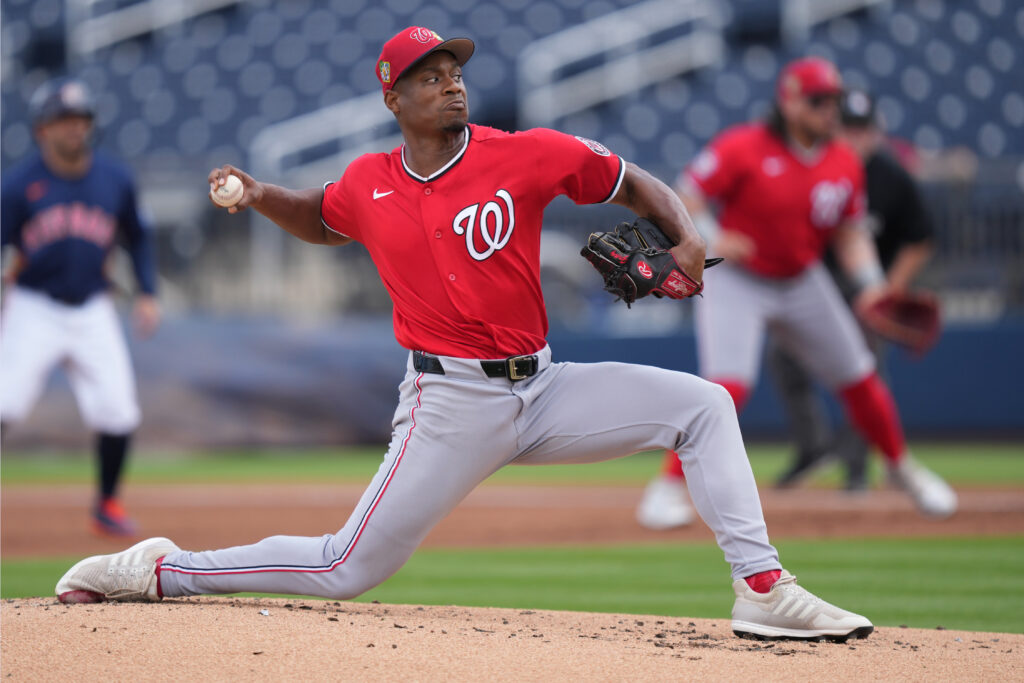
The Nationals reinstated right-hander Josiah Gray from the 60-day injured list on Thursday, clearing a roster spot after optioning outfielder Andrew Pinckney to Triple-A Rochester. Gray's timeline keeps him available for September baseball, but the window for impact is narrow. The team sits 12 games back in the NL East with 16 games remaining. A pitcher coming off extended recovery into a meaningless September push carries limited leverage and elevated injury risk.
Gray's extended absence—roughly four months from early June through mid-September—means he missed the heart of the playoff-pushing gauntlet. When a starter can't anchor a rotation during the trade deadline and July-August grind, it compounds organizational damage. The Nationals also moved to release right-hander Wyatt Mills on the 40-man side, signaling they're consolidating depth and moving past late-season experimentation. Gray's reactivation is procedural roster maintenance, not a pitching catalyst.
For betting purposes, Gray's presence on the active roster is noise. He will pitch, but likelihood of quality starts or extended usage is low. The Nationals' September pitching staff has already been sorted by necessity; adding one more arm to a lost season doesn't reshape bullpen workload or skew team total pricing. Monitor his first start for velocity and command data—if he returns at 93-94 mph instead of his pre-injury 95+, that's a mechanical warning worth tracking for next season, not a September play.
The more durable signal here is negative: a contender (or would-be contender) that couldn't stay healthy enough to compete when it mattered. Gray's reinstatement is confirmation that Washington spent four months treading water. Bettors should treat late-season Nationals pitching—regardless of roster moves—as a fading asset class. The team's run differential and remaining schedule don't support rotation-driven profitable outcomes. Unders on Nationals team totals and fades on their pitching props maintain edge through the final two weeks.