MLB
Toronto's Power Gamble: McAdoo's Hot Hand Reshapes Blue Jays Lineup Stakes
With the rotation imploding and playoff odds thinning, Schneider is betting the farm on rookies and raw power—a strategy that flattens volatility but creates exploitable spots in team total markets.
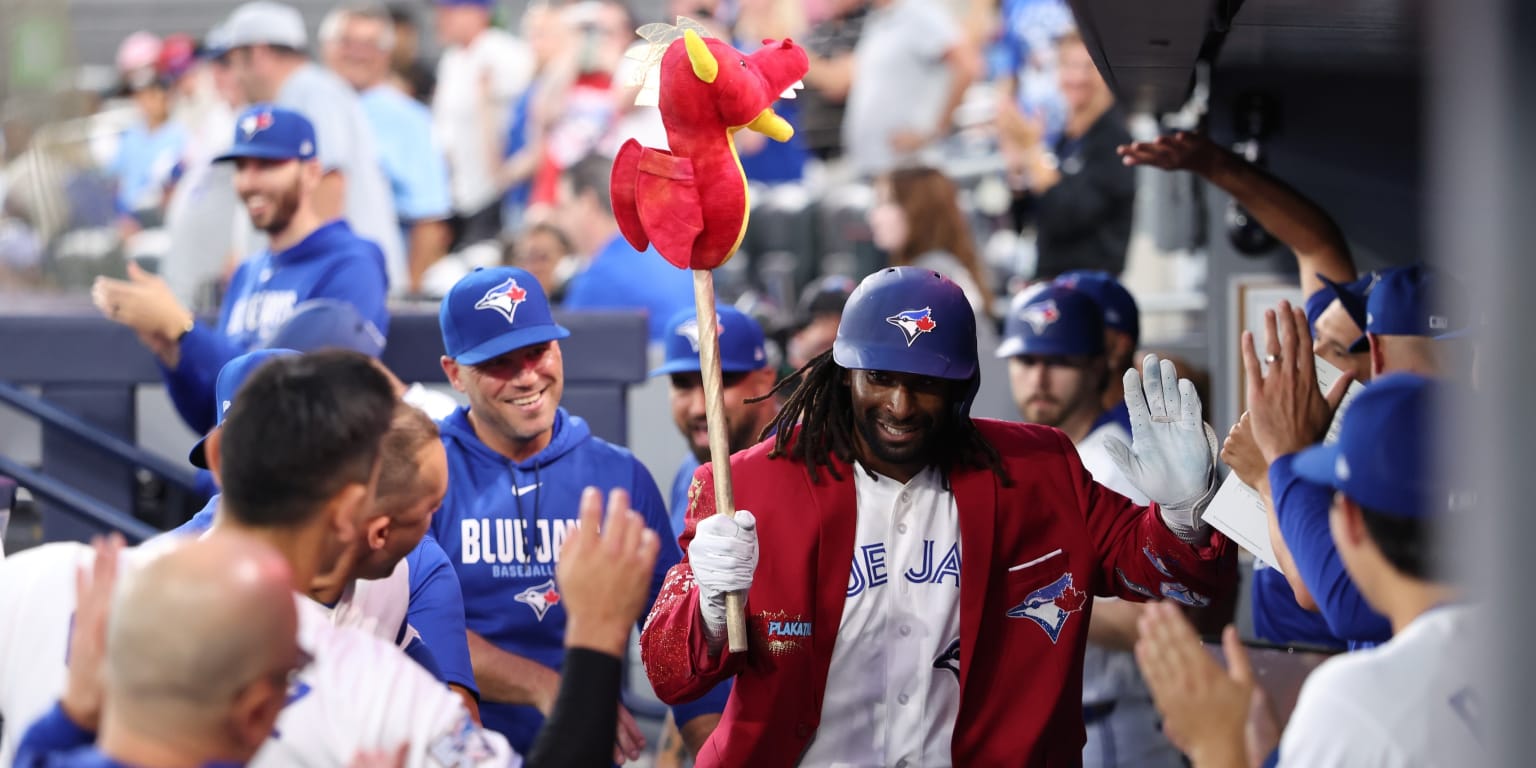
The Blue Jays scraped past Boston 2-1 on Monday night, extending a modest road stretch into something resembling momentum. That's the surface read. Beneath it sits a front office and coaching staff in full triage mode: the rotation is collapsing in real time, the payroll is locked into veterans who haven't produced, and the only lever left to pull is playing hot hands and hoping for variance to swing their way before September dies.
Charles McAdoo's solo homer off Sonny Gray in the fifth inning typified the Blue Jays' narrow path forward. The 24-year-old was elevated from Triple-A Buffalo on short notice to replace Kazuma Okamoto's injured left knee, and one swing—his second major-league bomb—bought him sustained at-bat volume. Manager John Schneider made the math explicit: you produce power, you stay. This isn't philosophy. It's desperation with a hitting coach. McAdoo has 18 homers across Buffalo (16) and Toronto (two) in 2026, a respectable floor for a prospect still calibrating to triple-digit velocity. The Blue Jays have now committed to rotating young bats through the lineup—Schneider explicitly mentioned rookie Brett Bateman getting top-of-order reps—because 120 games of tried-and-true lineup construction yielded precisely nothing.
The rotation situation has accelerated from "concerning" to "existential." Kevin Gausman left for Chicago weeks ago. Spencer Arrighetti is managing a nerve issue in his foot. Jameson Taillon exited Monday's start early with right forearm tightness. That leaves Simeon Woods Richardson, who threw three innings of one-run ball in relief, as a fill-in starter candidate—assuming he can extend into a five-inning baseline from Triple-A. The alternatives are minor-league call-ups (Lazaro Estrada, Chad Dallas, C.J. Van Eyk) and the Twins' cast-off John Klein, acquired in the Jeff Hoffman deadline deal. None of these names inspire confidence in a playoff team, and the organizational cupboard for emergency starters is bare.
For betting purposes, this collision of power emphasis and pitching fragility creates a specific texture. Team totals for Toronto tighten around 3.5-4.2 runs in most matchups, but Schneider's willingness to deploy high-contact rookies like McAdoo and Bateman introduces upside variance that underdogs rarely price. The Blue Jays remain +160 or longer in most matchups because the pitching looks skeletal on paper. That margin doesn't account for the fact that young hitters chasing fastballs in low-leverage spots—ninth-inning at-bats, series openers, revenge matchups—generate home run spikes that historical team totals don't capture. McAdoo hitting a homer in five straight games (per Schneider's postgame quip) is peak recency, but it also signals that fastball-happy opponents facing a depleted Toronto staff will see aggressive swings from batters with nothing to lose. The edge isn't in backing the Jays to win the division. It's in trusting that team totals set for a historically anemic offense won't fully adjust for a manager willing to gamble on young power.
Toronto sits 120 games into a 17-day, 17-game stretch compressed by a rescheduled Cubs game in Chicago last Thursday. Fatigue compounds pitching injury risk and can suppress offensive output in stretches—except when a front office has deliberately emptied its veteran rotation and is riding hot hands instead. The Blue Jays can't afford to manage workload the way contenders do. They're swinging for variance on the only dimension left open to them.
MLB Intelligence — Baseball intelligence beyond the box score. Open MLB Intelligence →