MLB
Blue Jays Claw Back in Arlington, but Guerrero's Back Tightness Clouds Wild Card Push
Toronto avoids sweep with a four-run seventh inning comeback, but Vladimir Guerrero Jr.'s mid-game exit and Dylan Cease's shoulder MRI inject uncertainty into a team fighting for its postseason life.
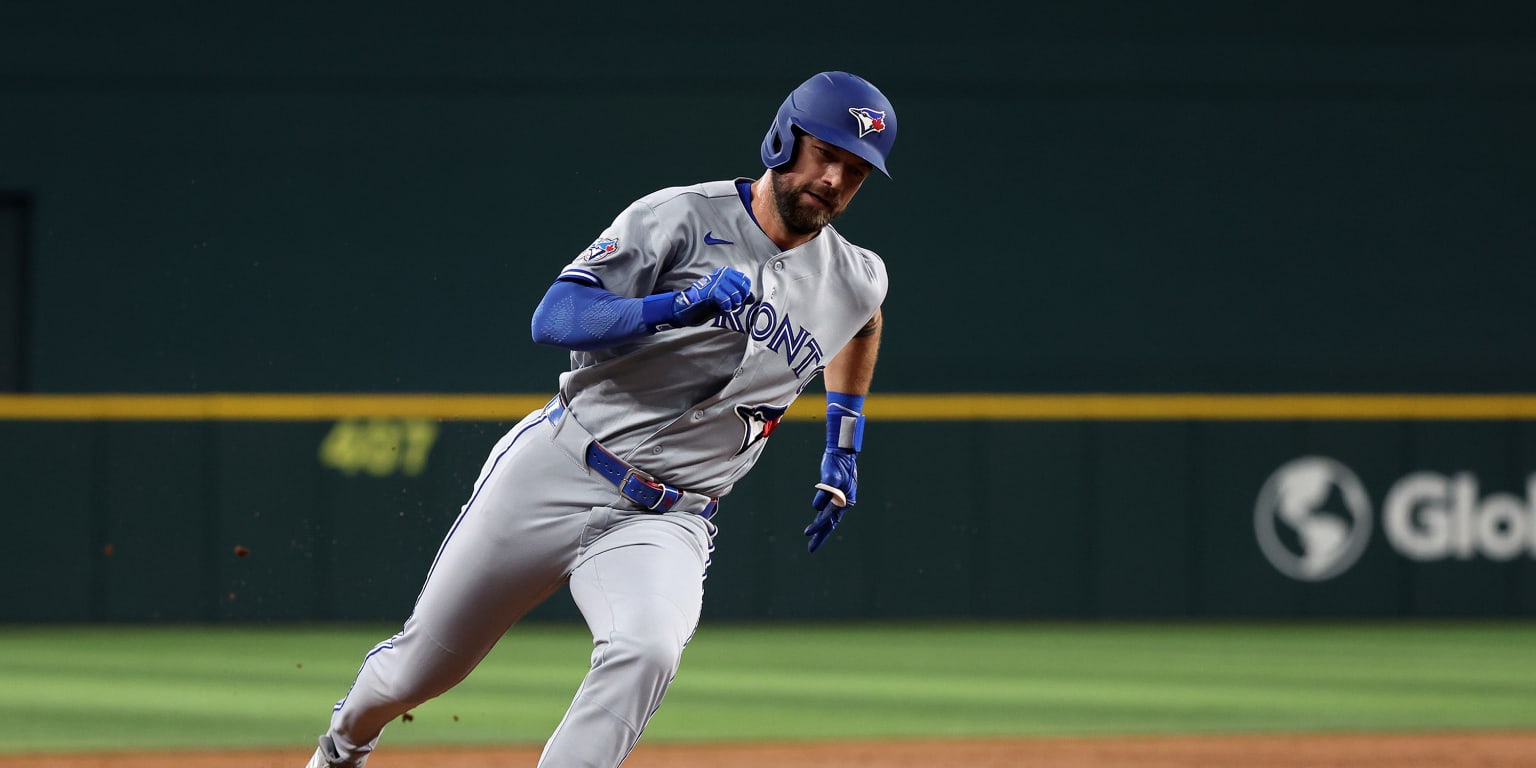
The Blue Jays refused the sweep. Down to their final strikes in a race that will be decided by math and margin over the next eight days, Toronto salvaged a 7-2 victory over Texas on Sunday with a decisive four-run seventh inning that broke a one-run deadlock and kept their American League Wild Card hopes mathematically alive. Nathan Lukes and Charles McAdoo each drove in two runs in the frame, Andrés Giménez added another, and Brett Bateman's leadoff single proved the catalyst—he scored all three times he reached base, establishing the tone Jays manager John Schneider emphasized postgame: grind, elevate the pitch count, manufacture contact. Toronto's 11-hit attack was their most prolific output since September 12, a sign that their approach at the plate remains disciplined even in scarcity.
But the scoreline masks the fragility underneath. Vladimir Guerrero Jr. exited in the fourth inning with lower back tightness—a consequence, per Schneider, of a stretching movement at first base days prior. The manager downplayed severity and expressed hope for availability Monday in Baltimore, but the timing of a core-stability complaint in a pennant race, even minor, invites caution. Simultaneously, Dylan Cease underwent an MRI on his pitching shoulder Saturday and has been scratched from his Wednesday start. The team harbors optimism he could return for the final regular-season series against Cincinnati next weekend, but the shoulder—not a minor joint for any pitcher—now carries a label worth monitoring. These health murmurs arrive when Toronto can afford them least.
The pitching structure itself revealed both depth and dependency. Spencer Miles, working as the game's opener, was immaculate across three innings (46 pitches, four strikeouts, two hits, zero runs), exemplifying a four-appearance stretch in which he's delivered nine scoreless innings with a 10:2 strikeout-to-walk ratio. Spencer Arrighetti earned the win in relief, though Jake Burger's two-run homer off him in the fourth underscored that Texas manufactured genuine offensive moments—the Rangers simply couldn't sustain. Five pitchers combined for 3⅔ scoreless frames afterward, a bullpen deployment that consumed arms in a win that, while essential, cost innings of rest before a three-game Baltimore series and the Reds finale.
From a prop standpoint, Toronto's offensive volatility complicates wager construction over their final eight games. Guerrero's absence or diminished availability removes their cleanup power source and clouds team total prediction—the Blue Jays' run expectancy pivots sharply downward if their best hitter takes designated hitter duties or sits. His presence in the lineup commands 0.35 additional runs per game relative to a replacement first baseman; a multi-game absence erodes that edge in both team total and individual offensive props. More immediately, Sunday's success was built on complementary hitting—Lukes, McAdoo, and Giménez combining for five RBIs in a single frame—a skill that doesn't repeat with any reliability. Expect unders on Toronto team totals (currently priced around 3.8–4.2 depending on matchup) to carry elevated appeal over the next 48 hours as the market prices in injury risk and the regression gravity that accompanies a single-game eruption. If Guerrero is ruled out for more than one game, that floor softens further.
Cease's availability status also carries cascading implications for bullpen usage. If he's unavailable for the Reds series (Toronto's final three games), the rotation compression forces the Blue Jays into back-to-back bullpen-heavy game scripts—precisely the scenario that degrades team totals and makes under-backing a structural advantage. The win itself keeps Toronto breathing. The health portfolio, however, suggests the market's next adjustment may be downward.