MLB
Miami's June Reversal: From Rubble to Contention—and What the Market Hasn't Priced
The Marlins won 20 games in June after winning just 20 in their first two months combined; the lineup's explosion and rotation's return to health create a durable edge in team totals and spread pricing that still reflects May's collapse.
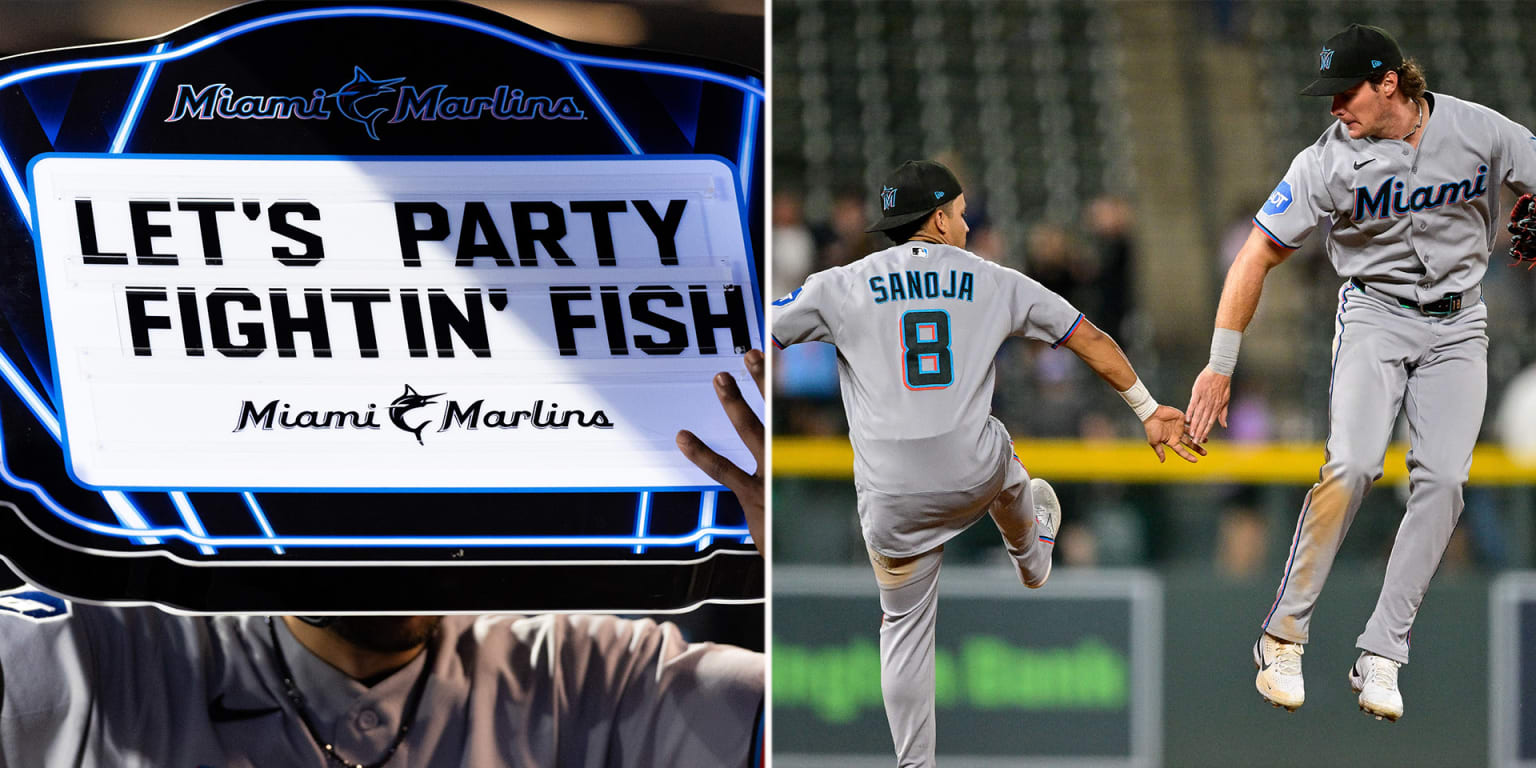
The Marlins ended June with a 14-3 drubbing of Colorado, capping a 20-win month that ranks second in franchise history. On May 31, Miami sat 26-34, eight games underwater and wearing the National League's third-worst record after a Mets sweep. The injury spiral was real—Snelling, Pérez, and Junk all landed on the shelf, forcing a rotation held together by duct tape and prayers. The bullpen hemorrhaged walks. The lineup, thin outside of Otto Lopez, Xavier Edwards, and Liam Hicks, became a punchline. June arrived and inverted everything.
The club finished the month at 46-40, six games over .500 for the first time since the 2023 playoff push. More importantly, the two engines driving the turnaround—health and lineup depth—are substantive, not noise. Pérez returned Tuesday and went 5⅓ innings allowing one run, a workmanlike return that stabilizes the back of the rotation. The offense, often the June culprit, exploded: 21 hits, seven different Marlins with RBIs, six recording multiple hits. Owen Caissie and Joe Mack each cleared 450 feet; only the May 2016 pairing of Yelich and Stanton had done similar damage in a single game. That's not one hot night—it's organizational depth breaking through.
The Marlins now sit three percentage points behind St. Louis for the third Wild Card spot, having won two of three from the Cardinals over the weekend. The market's memory remains stubbornly anchored to May's wreckage. Injury narratives are sticky; they persist in line pricing long after the injured players return and settle in. Books opened the season pricing Miami's team totals based on a projection model built when half the rotation was unavailable and the lineup had zero depth. A month-long surge doesn't erase the preseason model—but it does erase the injury excuse.
The edge lies in team totals and run-line pricing against sub-.500 opponents for the next two weeks. Miami's schedule lightens; the lineup has demonstrated it can produce run support for a healthy starting pitcher; and the rotation is moving toward full strength. Pérez's return was the last major domino. Books will adjust if Miami stays hot, but the current number—baked with May's eight-games-under memory and June's chaos still unfolding—undervalues a club that just proved it can win 20 games in a calendar month with pieces finally in place. This is the persistence kind of edge, not a single-outlier spike. The lineup composition didn't change; the only variable was availability.
The Wild Card picture is crowded, but Miami's June performance wasn't a mirage. Pérez back, a rotation stabilizing, and multiple lineup threats clicking simultaneously—these are the building blocks that hold up over 30 games, not 5. Books treat injuries as permanent damage until the market sees otherwise. Miami's run-line and team-total overs are still priced like the Mets just swept them.