The Marlins' June-July Surge Is Built on Pitching Depth and Structural Changes—Not Noise
By Erik Schwartz ·
Miami's 23-8 record since June 1 reflects genuine improvements in run prevention and defense, not a hot streak destined to crater.
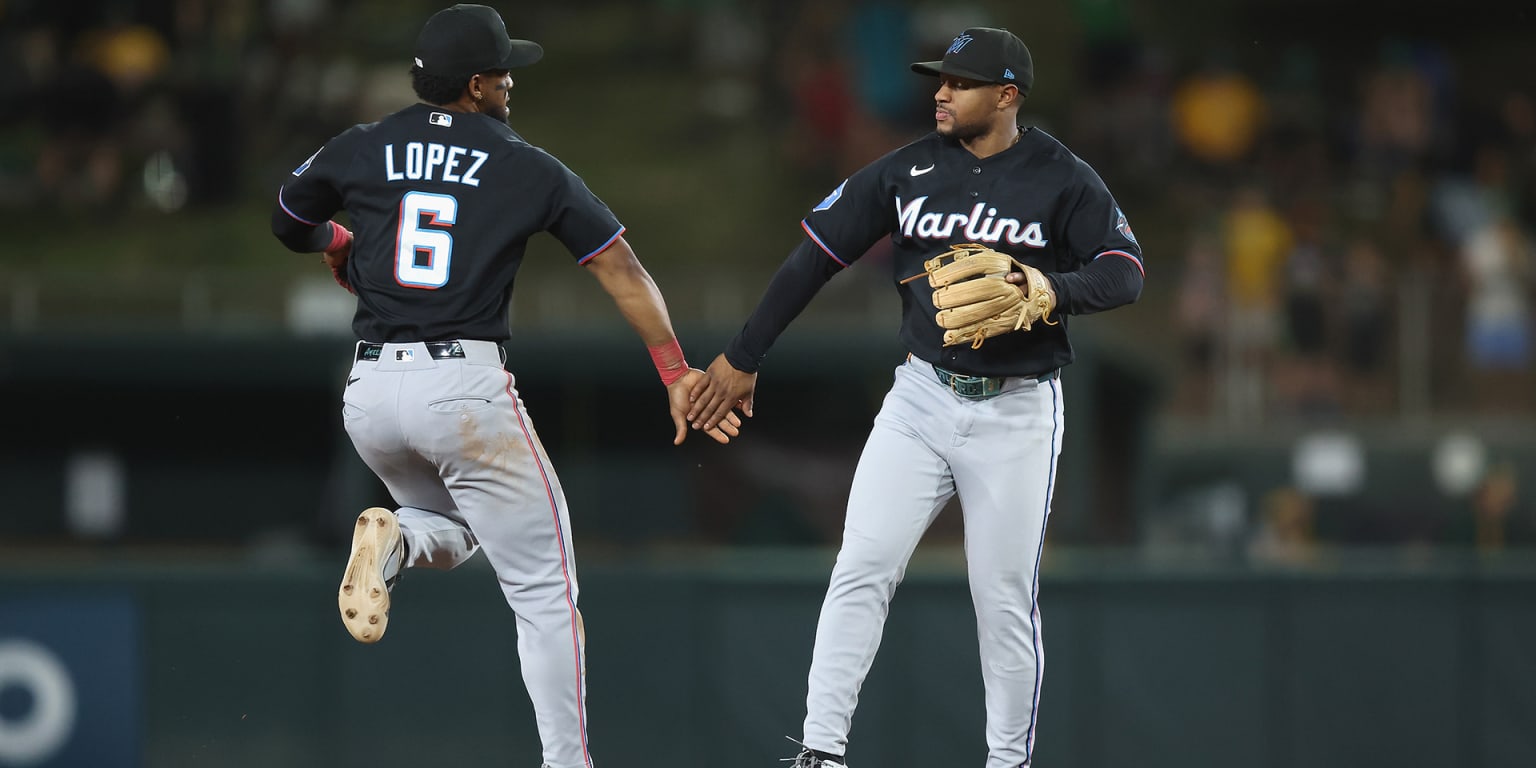
The Marlins are 23-8 since June 1, the best record in baseball. That alone would trigger skepticism—one-month samplings are noise fuel for hot-take machines. But the underlying architecture of Miami's run contradicts the narrative that they're riding variance or matchup luck. They're allowing the fewest runs in the National League, posting the best offense in the majors outside of Coors Field, and ranking third in defensive efficiency after sitting in the bottom five through May. This isn't a team that caught fire; it's a team that diagnosed its problems and fixed them.
Manager Clayton McCullough's decision to pull Eury Pérez after seven perfect innings on Sunday crystallized the organization's thinking. The move wasn't analytics theater or pitch-count dogma—it reflected a deliberate posture shift toward October. "We're looking to play beyond the regular season," McCullough said. "Eury's going to be an important part of that." That language matters. It signals internal belief that this roster can sustain performance, not squander it on August fadeouts. The Marlins' transformation from a 25-41 hole on June 11, 2025, to a 54-42 finish that year (a 91-win pace, third-best in the NL) was the blueprint. Sandy Alcantara's second-half improvement, Xavier Edwards and Liam Hicks emerging as offensive contributors, and the roster's willingness to embrace unconventional coaching (catcher-less pitch calls, aggressive swing adjustments) all previewed where this version could land.
FanGraphs' pre-season projection identified Edwards and Hicks as breakout candidates—and both flirted with All-Star status this year. Kyle Stowers carried 2025 momentum into 2026 until a hamstring injury cut short his pace. The pitching staff, once a credential problem, now features Alcantara in form and a bullpen that can be trusted in high-leverage spots. At 49-42 and in third place in the NL East, four games back of Atlanta with a one-in-three playoff probability, Miami has room to stumble and still reach October. The Mets are collapsing; the Nationals lack the pitching depth to support their lineup. The Braves are scuffling to maintain early-season momentum.
From a betting lens, the Marlins' underlying metrics—particularly their run-suppression numbers and the recent defensive leap—matter more than the record. Unders on Miami games have been sharp since June 1, not because of randomness but because this pitching staff is genuinely stingy. Teams with top-three run rates rarely see overnight regression; the Marlins have made structural changes (defensive positioning, bullpen deployment, starter health) that are durable. The one caveat: their offense, while potent, still ranks outside the top tier. This isn't a team that will blow out opponents routinely. Close contests favor the under. Against Seattle and Cleveland this week, expect low-scoring outcomes to track with Miami's new profile.