MLB · injury
Kuroda-Grauer's Improbable Return Reshapes A's Infield Depth
The Athletics' prospect returns from emergency surgery just 64 days after a ruptured testicle, opening a fresh lineup consideration in the final week of the season.
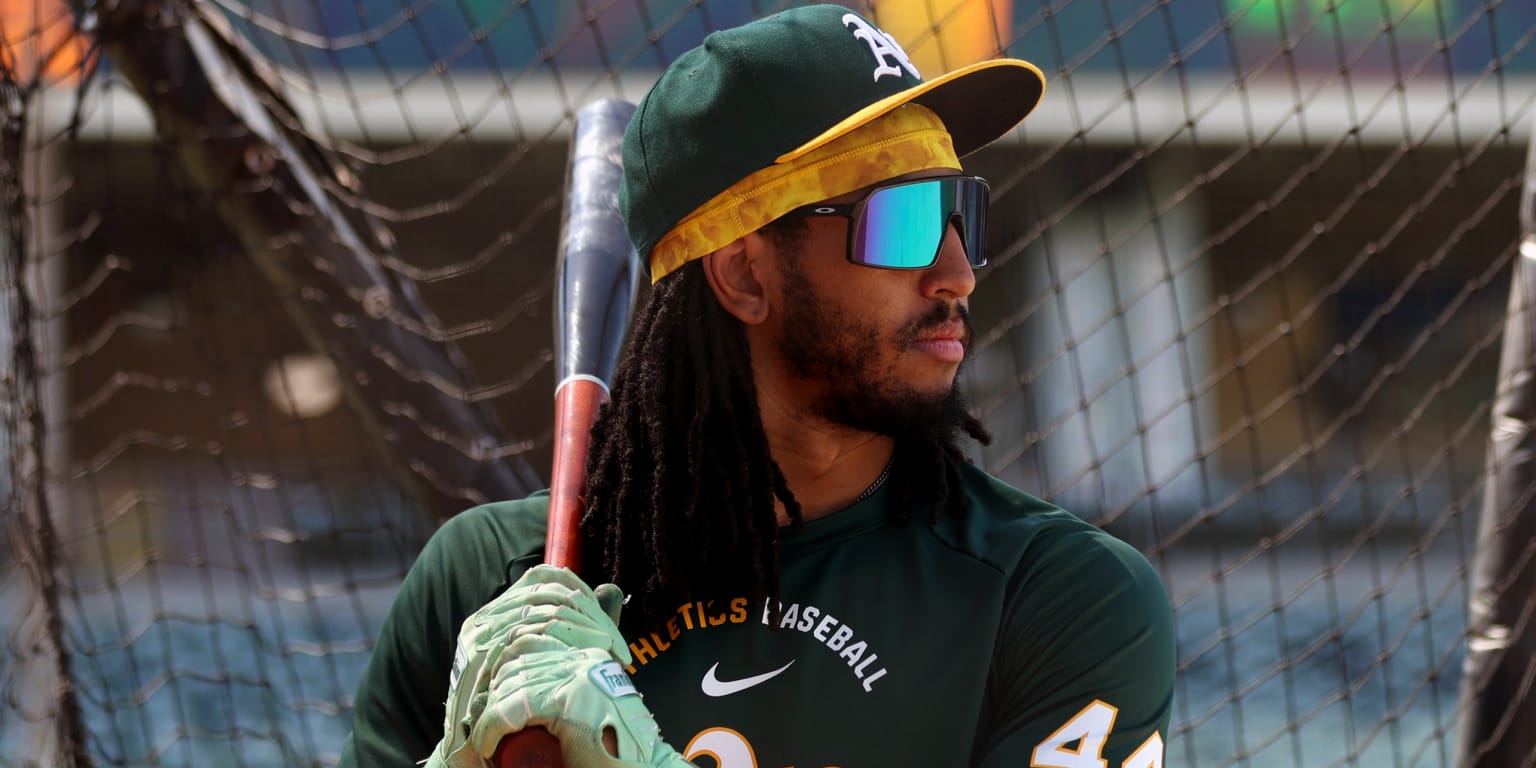
Joshua Kuroda-Grauer was activated from the 60-day injured list before Tuesday's game against the Angels, a move that seemed impossible when he underwent emergency surgery on July 20 to repair a ruptured testicle. The injury was so rare that Oakland's medical staff had to reference Adrian Beltre's 2009 incident with the Mariners—a five-and-a-half-week absence—as their only recent blueprint. Kuroda-Grauer spent roughly a month largely sedentary while swelling subsided, then began baseball-specific work around mid-August. Against those odds, he completed three rehab games with Triple-A Las Vegas and returned to everyday availability with just over a week left in the regular season.
The 23-year-old had been one of the most productive hitters in early-career MLB history before the injury struck. In his first 16 games since debuting June 29, Kuroda-Grauer batted .417 (25-for-60)—tying Eddie Murphy's 1912 A's record for hits in a player's first 16 games. That offensive profile and his versatility across the infield (shortstop, second base, third base) made him a fixture in Oakland's lineup. The injury truncated what would have been a full seasonal audition, but his return with full defensive clearance signals confidence from the medical staff that he can contribute meaningfully in the final stretch.
Manager Mark Kotsay emphasized that the A's wanted to give Kuroda-Grauer a chance to finish what he started. The timing is crucial: with fewer than seven games remaining, every at-bat counts toward establishing long-term positioning within Oakland's roster architecture heading into 2027. Kuroda-Grauer himself framed the setback through a lens of forced perspective, acknowledging that a two-month shutdown mid-season—right as his trajectory was accelerating—could have derailed a younger player's confidence. Instead, he returned to the roster with his eye on proving he belongs in a prominent role next season.
From a betting standpoint, Kuroda-Grauer's activation reshuffles Oakland's lineup construction in ways that could affect team-total unders. The A's had been running a more established batting order during his absence; inserting a .417-average hitter—even in limited sample—changes offensive expectancy at the margin. However, the mechanism isn't straightforward. Kuroda-Grauer had only 60 plate appearances before injury, and a two-month layoff (even with aggressive rehab) typically results in a 5-10% performance dip in the first week back as timing recalibrates. The bigger risk for overs: if he's not fully sharp, Oakland's lineup loses a spark plug just as they're heading into the final days of the season. The edge isn't strong enough to move the needle on team totals alone, but his presence does introduce volatility into Oakland's offensive floor that wasn't there last week.
What makes this angle durable is mechanism-specific. Kuroda-Grauer's early-season profile was elite; that doesn't disappear in two months of recovery. But timing lag post-injury is biomechanical, not directional—he'll need at least 2-3 games to sync his swing mechanics. If sportsbooks have priced Oakland's team totals assuming a full-strength Kuroda-Grauer, there's a fade case for unders in his first 2-3 games back. If they've already accounted for rust, the overs carry less downside. Either way, monitor his at-bat quality in real time; early-week lines before his performance is live will matter more than weekend totals.