Oakland's Offensive Depth Crunch: Soderstrom Returns, Muncy Sent Down as A's Lean on Hot-Handed Rookies
By PropBetEdge Editorial Team ·
Tyler Soderstrom's activation from injury exposes Oakland's roster math problem—and opens a window on which young hitters are actually producing at the plate.
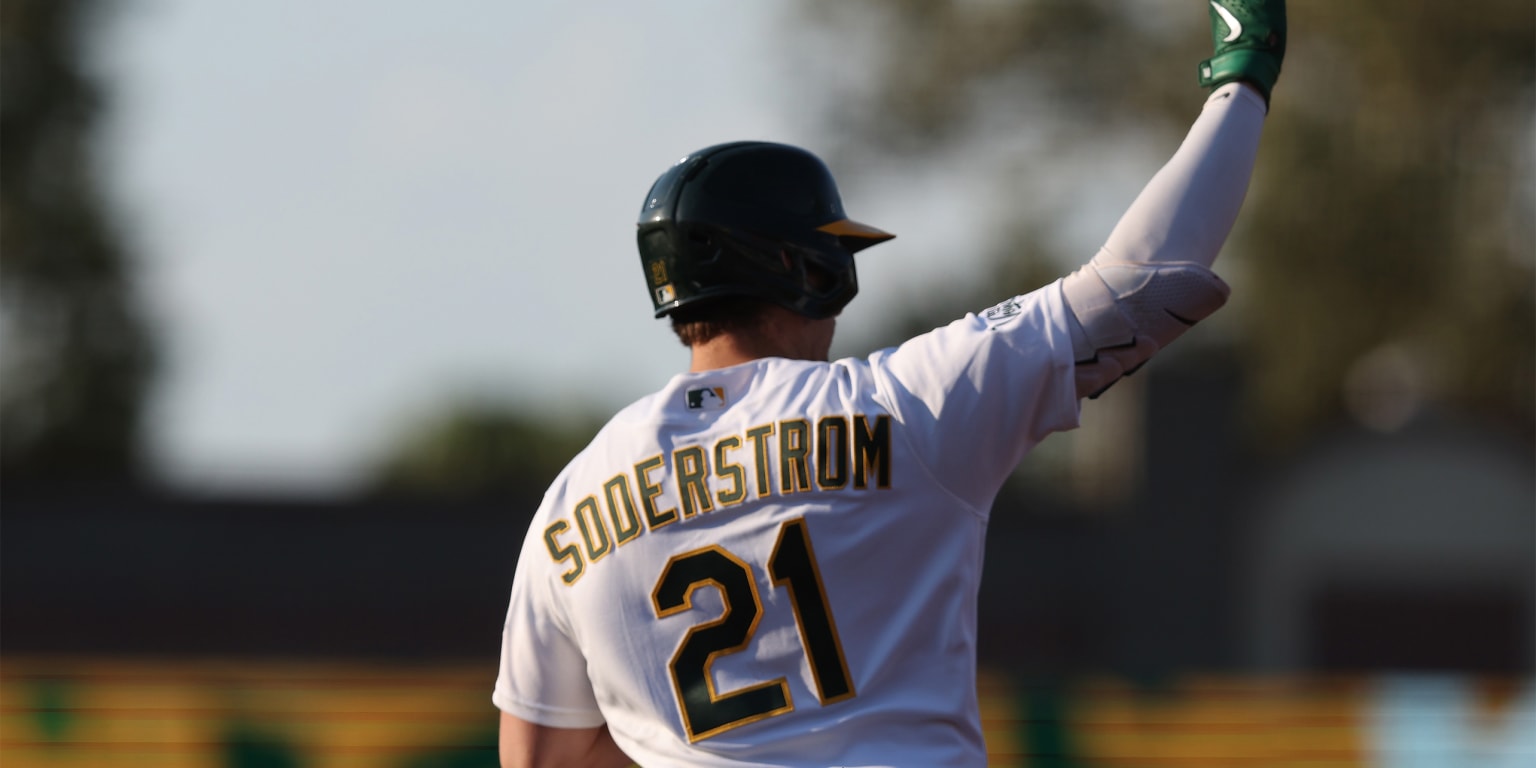
The Athletics activated catcher Tyler Soderstrom from the injured list Wednesday and inserted him directly into the starting lineup against Detroit, then optioned third baseman Max Muncy to Triple-A Las Vegas to create roster space. The move caps a two-week stretch in which Oakland has cycled Zack Gelof and Jacob Wilson back into the fold, signaling that the club is operating at peak offensive availability for the first time this season—minus Brent Rooker, who is done for 2026 after left knee surgery.
But here's what the transaction really says: prospect Joshua Kuroda-Grauer has forced Muncy's hand through sheer performance. The 23-year-old Muncy, a 2021 first-round pick, arrived back from injury on June 8 and has managed only a .210 average with a .683 OPS and five extra-base hits in 20 games. He can't hit for average, can't generate enough slugging to carry a below-average glove at third base, and—critically—has no guaranteed path back up as long as hotter options are available. Kuroda-Grauer, the A's No. 9 prospect, entered Wednesday at .462 with a 1.058 OPS across his first seven MLB games, having played shortstop, second base, and third base without defensive issues. Gelof has simultaneously worked himself into everyday time as both a plus defender and a contributor at the top of the order. The depth chart didn't shift; production did.
Muncy's .278 on-base percentage mark in the majors sits well below what Oakland envisioned when they drafted him. Manager Mark Kotsay identified the specific mechanical problem: Muncy needs to tighten his swing decisions and hunt for pitches in the zone, where he does his legitimate damage. The club believes enough in his future to keep him in-organization and is even exploring whether he can add outfield reps at Las Vegas alongside infield work—essentially a skills audit before another call-up attempt. But the arithmetic is unmerciful. In a compressed July roster where Soderstrom, Gelof, Wilson, and Kuroda-Grauer are all playing well enough to hold jobs, Muncy became the expendable prospect rather than the protected prospect.
For bettors, this has downstream implications for Oakland's offensive ceiling and floor. Kuroda-Grauer's seven-game hot streak is not a predictive model; the book has almost certainly already adjusted to accommodate his debut production in A's totals. But the pattern of attrition around Muncy reveals something about organizational confidence: Oakland is willing to push young players back into the minors mid-season when they don't deliver, rather than force-feed them reps. That breeds lineup volatility. Gelof is hitting well now, but if he cools, there's no proven third-base fallback waiting on the bench—Muncy will need to re-earn his way back. Soderstrom's return on the heels of a 10-day absence creates its own variance; Kotsay signaled managed playing time early. The Tigers matchup on Wednesday is less useful as a sample than the next 10 days are, when Soderstrom's workload normalizes and Kuroda-Grauer's OPS gradient flattens toward the mean. Oakland's aggregate offensive production is high right now, but it sits atop a foundation of recent call-ups and recovered injured players—all of which carry higher injury and regression risk than a fully healthy, stabilized roster.