MLB · injury
Oakland's Infield Depth Gamble: Kuroda-Grauer Returns as Muncy Exits
The Athletics bet on a late-season reserve infielder while losing their everyday third baseman to injury, a sequence that tightens Oakland's margin for error in September.
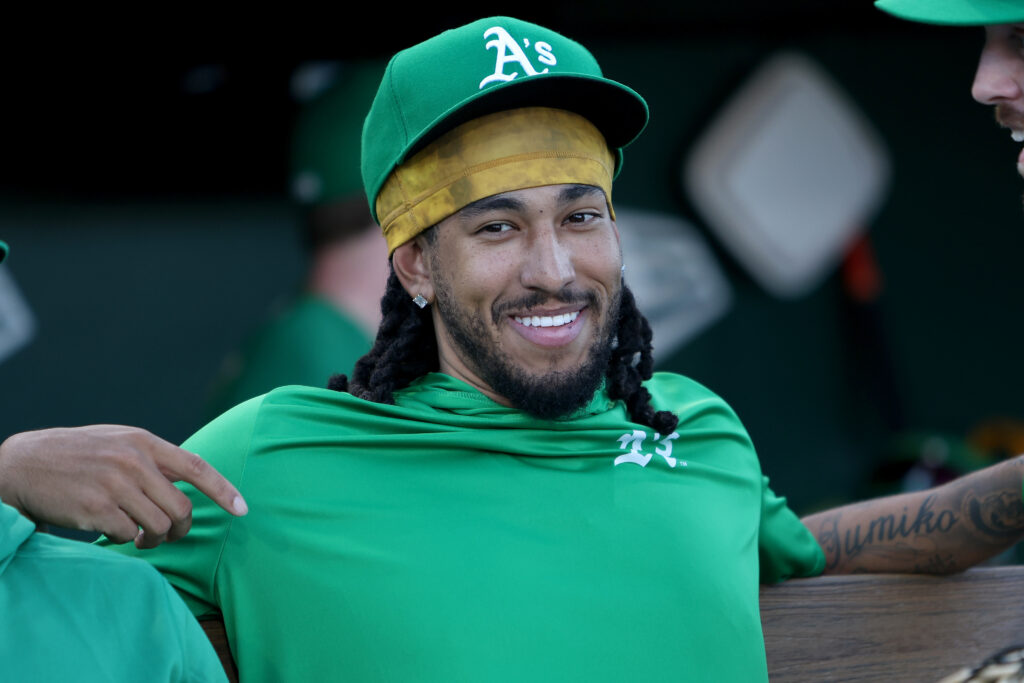
The Athletics reinstated Joshua Kuroda-Grauer from the 60-day injured list on Tuesday, converting the move into immediate roster action by placing Max Muncy on the 10-day IL due to left knee chondromalacia. The swap signals Oakland's confidence in Kuroda-Grauer's readiness for the playoff stretch, though it also exposes a calculus that hinges on health: they're trading their starting third baseman's availability for a reserve infielder returning from a two-month absence.
Kuroda-Grauer's reinstatement carries inherent timing risk. Sixty-day IL assignments typically reflect extended recovery windows—soft-tissue injuries, post-surgical rehab, or structural concerns that don't resolve on a predictable calendar. His clearance suggests the medical staff believes he's at or near pre-injury function, but "clearance" and "game-ready" aren't synonymous. The first week of his return often includes a usage ramp designed to rebuild conditioning and reflexes. If he enters the lineup immediately at full volume, the offense absorbs the volatility of an under-prepared player in September, when at-bats carry playoff implications.
Muncy's departure compounds the issue. Chondromalacia—cartilage degradation in the knee—tends to worsen under repeated load. A 10-day IL stint rarely resolves it; Oakland is likely managing the injury through September rather than curing it. If Muncy doesn't return before the postseason, Kuroda-Grauer becomes the de facto third baseman in October, where his conditioning and timing matter most. The roster move reads as Oakland accepting short-term offensive instability to preserve roster flexibility, but flexibility without production is just empty roster space.
From a betting lens, this reshuffle clouds Oakland's offensive ceiling in the next two weeks. Muncy's absence removes a known commodity from the lineup; Kuroda-Grauer's insertion adds variance. The Athletics' team total lines and run-production props should reflect that uncertainty. If sportsbooks haven't adjusted Oakland's run-scoring projections downward—or if they've only partially accounted for Muncy's injury while overweighting the psychological lift of Kuroda-Grauer's return—there's a fade available on overs tied to the infield's production. The edge isn't that Oakland will score fewer runs; it's that the market may have priced this as a neutral swap when it's actually a downgrade in established firepower traded for upside that won't be available until Kuroda-Grauer completes his ramp.
Watch his first three games for usage patterns. If he's in the lineup for five or more at-bats in any of those contests, the team is accelerating his timeline beyond what recovery typically suggests—a red flag for both injury relapse risk and his ability to impact games immediately. If Oakland spaces his usage over a week, the implicit message is that September's run-scoring will suffer in the short term. Either way, the trade of certainty for upside in a playoff race is a narrative that props can exploit before the market fully prices the impact.