MLB
Jordan Hicks Rewired His Release Point—and Resurrected His Career
A 10-degree arm-slot adjustment over six weeks transformed the White Sox reliever into a strikeout machine, opening a rare mid-season pitching reinvention angle.
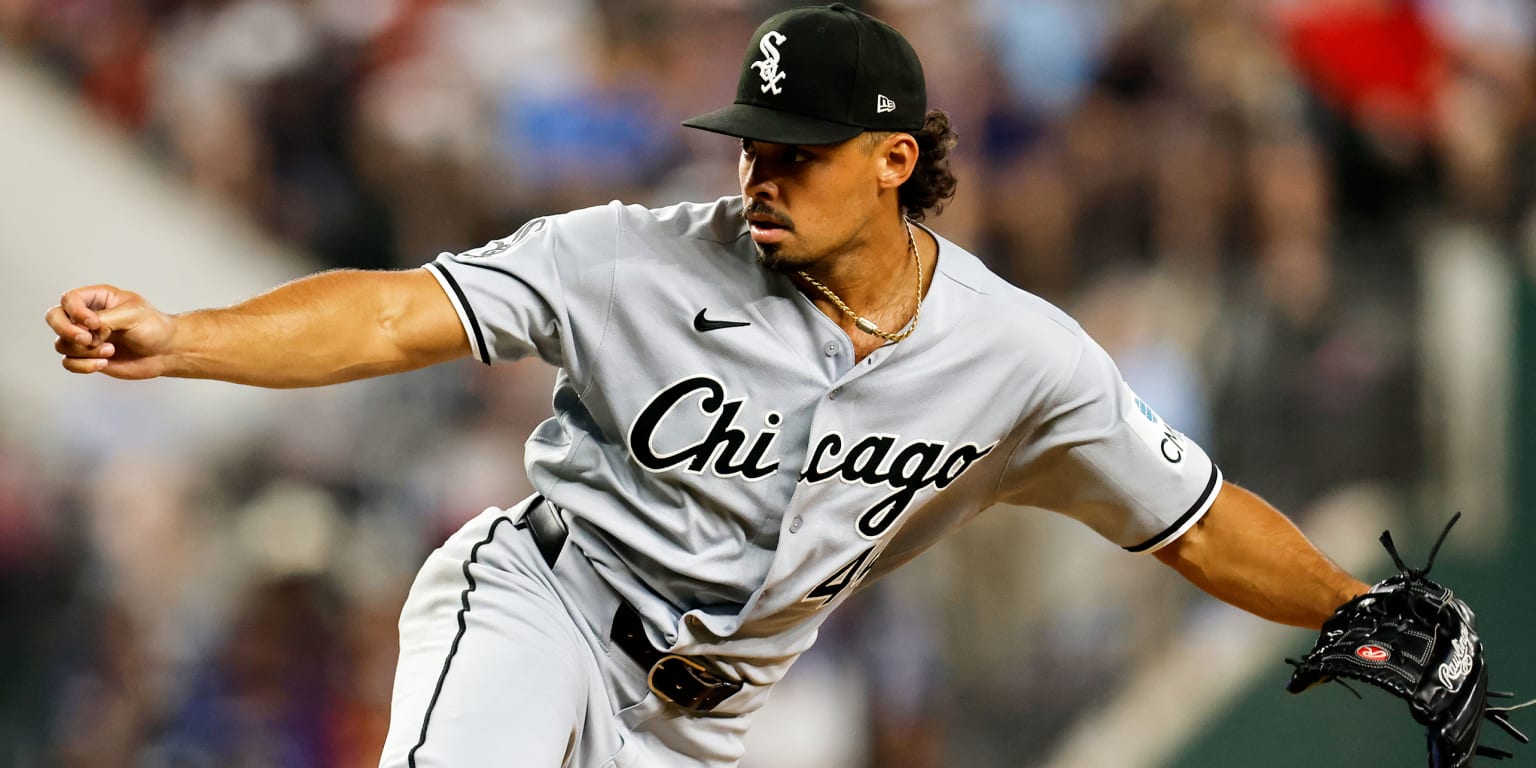
Jordan Hicks has pitched 18 times in the 51 days since returning from a lat strain on June 21, and he has recorded a 1.17 ERA with a 38.7% strikeout rate over 16.1 innings. That ranks him seventh among all relievers in strikeout rate over that seven-week window—a cohort topped by names like Andrés Muñoz and Mason Miller. The transformation matters less for what it says about Hicks' career arc (a story of salvage from the 2025 wreckage) and more for what it signals about the durability of his current form.
Hicks' mechanical overhaul was surgical. He raised his arm slot from 29 degrees in March to 39 degrees by late June—a 10-degree pivot that altered pitch shape, fastball usage, and command in tandem. The four-seam fastball, which he'd deployed sparingly as a starter, now accounts for 27.3% of his pitch mix, his career high. His velocity remained north of 100 mph (consistent with his 2023 form), but the slot change created tighter movement and better induced vertical break. Hicks himself credited the adjustment in a July 29 interview, noting he was "trying to get back to the 2023 version" while throwing more strikes. That 2023 season—3.29 ERA across 65 appearances with the Cardinals and Blue Jays—serves as a performance benchmark. He's tracking toward that standard.
The risk is obvious: mechanical changes in-season are rare, and rare changes often regress when muscle memory and fatigue accumulate. Hicks threw 44 four-seamers in July alone, his second-highest monthly total ever (including his 2024 stint as a starter). That workload on a reconfigured release point carries injury exposure. The White Sox' bullpen ERA has improved to 3.00 (fifth-best in baseball) since June 21, and Hicks' high-leverage usage suggests Chicago's coaching staff has confidence. But whether that confidence outlasts September is a different question.
For prop bettors, Hicks' strikeout rate prop is anchored to two layers. First, the mechanistic layer: a higher arm slot with increased four-seam usage should preserve elevated whiff rates against hitters unfamiliar with the new profile. That edge is real and observable through pitch tracking. Second, the sustainability layer: pitchers who alter mechanics mid-season often see volatility spike. Hicks' 38.7% K% over six weeks is elite, but it's a small sample for a new delivery. If he stays healthy and continues to pitch high-leverage innings, strikeout props should remain overpriced through mid-September, assuming the market hasn't fully internalized the mechanical shift. After that, variance will compress the edge.
Chicago's bullpen profile shifted materially. With Hicks operating as a trustworthy high-leverage arm again, White Sox relief ERA in close games should stabilize. Team-total unders tied to bullpen performance earlier in August may have been priced on outdated usage assumptions. Monitor whether the book has already adjusted for Hicks' reliability; if his strikeout prop has drifted to the downside based on recent volume, that's a shorting opportunity. The mechanical foundation suggests he can sustain it.
MLB Intelligence — Baseball intelligence beyond the box score. Open MLB Intelligence →