White Sox Bullpen Dominance Flips Script Against Rangers; Road Woes Begin to Ease
By Ty Whitney ·
Chicago's relief corps delivered the offensive lifeline needed to overcome a 10-0 drubbing, and the pattern suggests the bullpen's recent health may be the real story underneath.
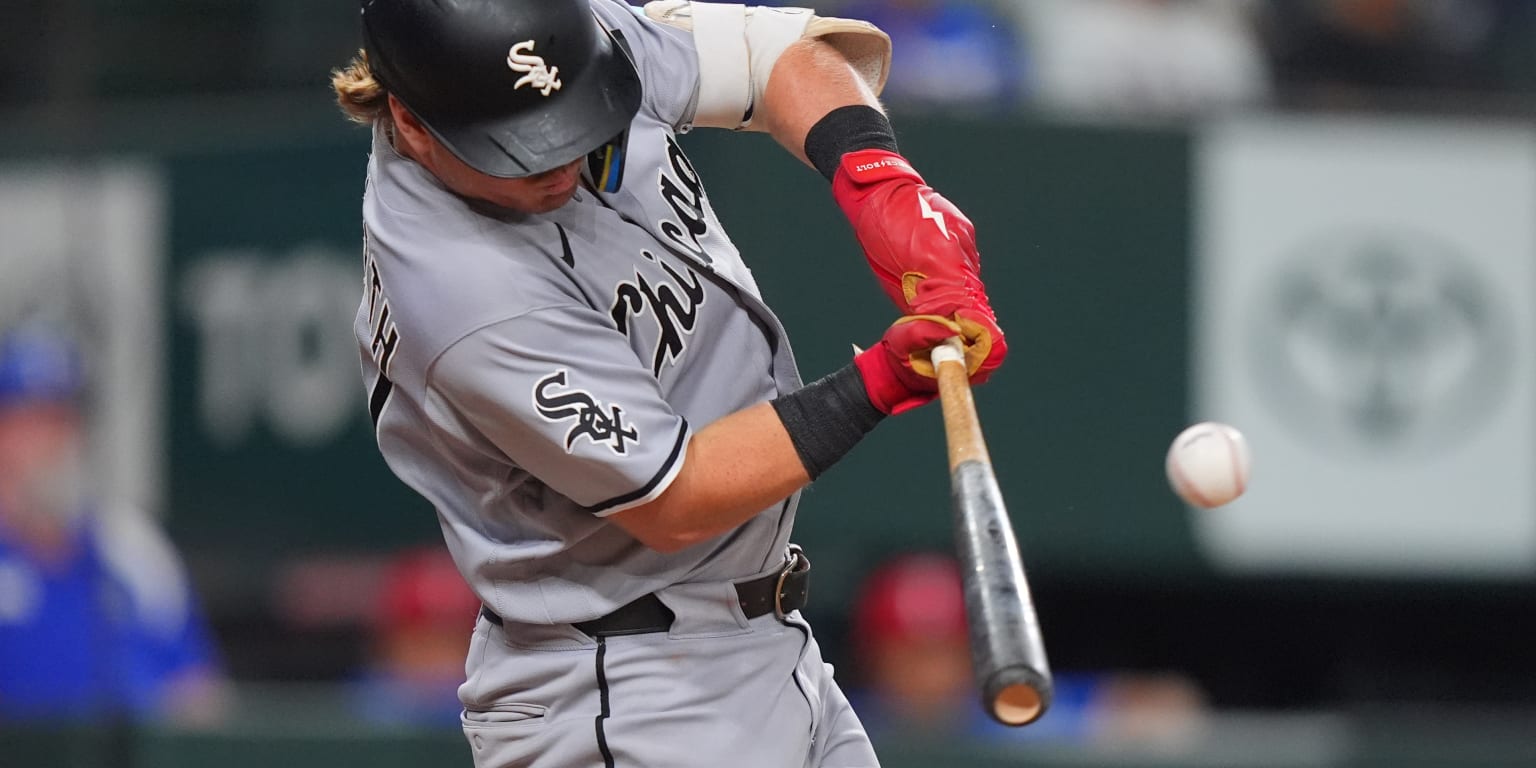
The White Sox answered Tuesday's 10-0 shellacking with a 4-2 win over Texas on Wednesday night, completing a two-series road sweep that marks genuine progress for a club holding a 23-30 away record heading into the contest. Chase Meidroth's four singles and two-run effort, paired with Andrew Benintendi's two-hit, two-RBI performance, provided just enough offense to lean on. The substance of the victory, however, belonged to the bullpen.
Anthony Kay surrendered two runs across five innings, leaving the White Sox dependent on relief depth. Jordan Hicks threw a scoreless sixth despite defensive miscues from catcher Edgar Quero and third baseman Miguel Vargas, extending the inning but not the damage. Grant Taylor then took over and delivered two flawless innings—a 14-pitch shutout through the seventh with three strikeouts, followed by two more punch-outs in the eighth. Hicks, notably, has now strung together 11 consecutive scoreless appearances dating to his June 21 return from the injured list, a career-best streak that indicates both improved health and leverage usage.
The win pushed Chicago atop the AL Central by a single game as Cleveland fell to Minnesota, but the real valuation signal sits in how the bullpen construction has stabilized. A team with a 23-30 road mark cannot afford to depend on four hits per game to survive; it needs out-acquisition at volume, particularly in middle relief where Taylor's strikeout-heavy approach—14 pitches, five Ks—represents efficient leverage deployment. The fact that Hicks returned just over a month ago (31 days prior to this game) and has already compiled 11 scoreless outings suggests Chicago's medical staff and usage patterns have moved him into a late-inning role where he can anchor high-leverage situations.
For betting purposes, this bullpen stability matters most when Chicago faces teams that do NOT rack up early leads. Against sub-.500 clubs or in games where the offense generates three or more runs through five innings, the White Sox bullpen strike rate becomes the prop edge. Taylor's efficiency—roughly one strikeout per 2.8 pitches—pairs with Hicks' recent reinstatement to create a scenario where White Sox unders on opponent team totals become attractive, particularly in low-scoring matchups where the bullpen can work the backend without trailing. The Rangers' loss occurred in a 4-2 affair; expect Chicago to hover near similar totals when facing comparable opposition over the next 10 days.
The two-series road success also resets the narrative around Chicago's away splits, which had been a pronounced liability. If the bullpen health holds and Hicks continues his scoreless streak into August, the White Sox away Over/Under market may shift as sportsbooks account for reduced run environment in later innings. Early detection of this pattern—bullpen health driving lower team totals on the road—represents the sharper angle before line adjusters catch up.