MLB
Baltimore's Deadline Gambit: Nine Bodies, No Immediate Impact on Win Totals
The Orioles traded away star power for prospect depth; early returns suggest the new talent needs time to prove it can bridge the gap to October.
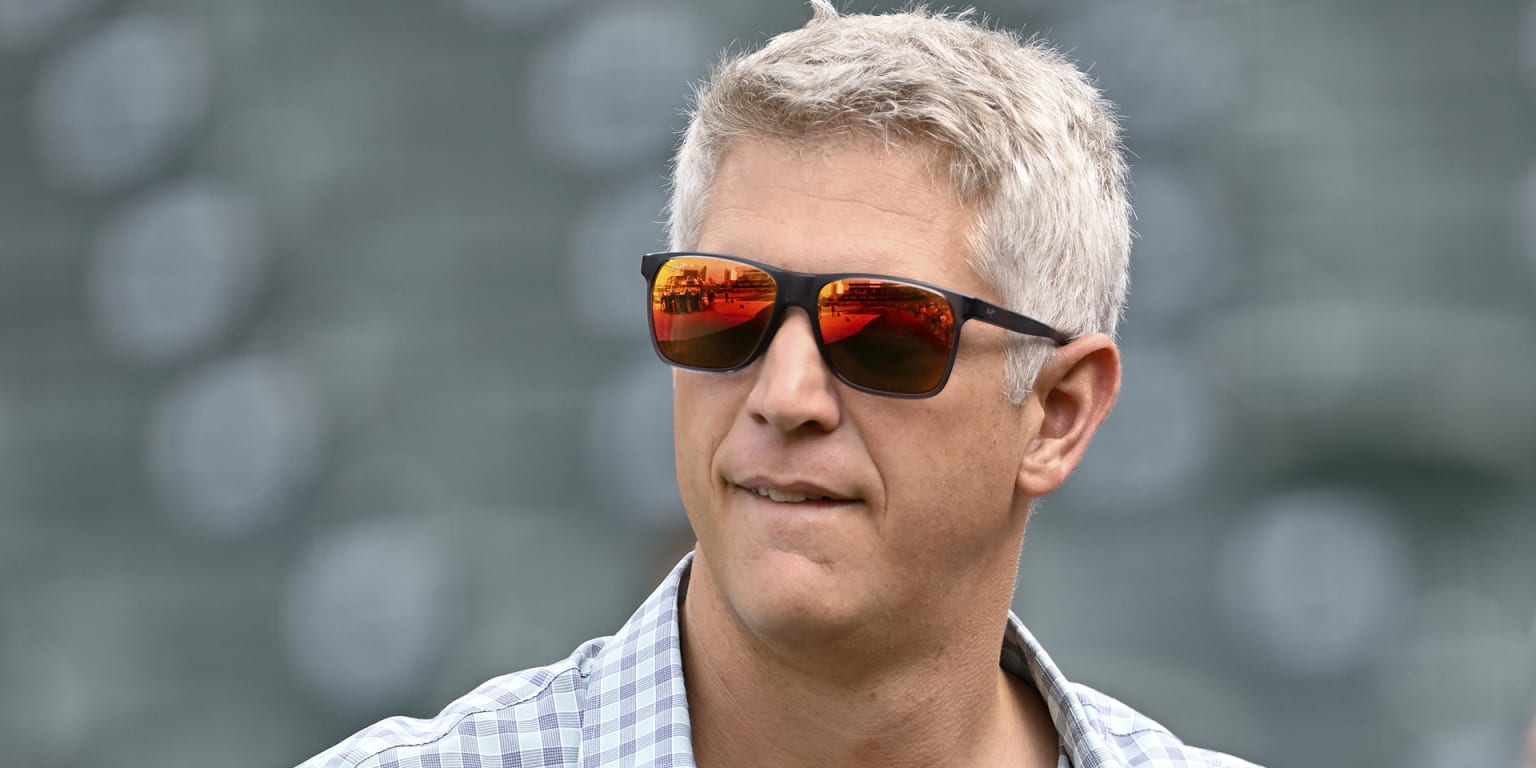
Eight days past the trade deadline, Baltimore's four separate deals have taken full shape: Adley Rutschman to Boston, Dean Kremer and Tyler Wells shipped out, Taylor Ward headed west, and in return, the Orioles landed nine players across the talent spectrum. The question that matters for the final two months of the season isn't whether these acquisitions will pan out—it's whether any of them can meaningfully move the needle now.
The immediate big-league injection is catcher Carlos Narváez, acquired from Boston in the Rutschman deal. At 27, Narváez slots into a clearer role with Samuel Basallo's shoulder inflammation keeping him sidelined. Through five games, Narváez posted a .133 average—the kind of early slump that dissolves or metastasizes depending on what follows. Manager Craig Albernaz has publicly praised his game-calling and pitch-framing—elite-tier work behind the plate, according to the manager—but framing doesn't move bats. The real tell will emerge in week three of his Baltimore tenure. If Narváez sustains a sub-.200 average beyond 15 games, it signals the team's catcher position remains a black hole through the stretch run.
The pitching acquisitions arrive as lottery tickets. Alex Hoppe (from Seattle) has pitched 1⅔ scoreless innings out of Baltimore's bullpen in two appearances, working with a pair of hits allowed. The prospect haul—seven minor leaguers, led by pitchers Anthony Eyanson (Boston's No. 1 prospect, Pipeline's 49th overall) and Michael Forret (returned via Tampa Bay)—showed early electricity in their debuts. Eyanson struck out nine over five innings for Double-A Chesapeake despite allowing two solo homers; Forret scattered seven hits across 4⅔ innings at Triple-A Norfolk. Both recorded quality starts by developmental standards. Outfielder Enddy Azocar (Boston minor leaguer) immediate impressed in his first five High-A games, posting a .417 average with four doubles and eight RBIs. These performances matter for long-term position battles, not for playoff positioning in the next 52 days.
For betting purposes, the structural reality is straightforward: Baltimore subtracted a productive catcher (Rutschman, who carried offensive load) and three established arms (Kremer, Wells, Ward) in exchange for unproven talent. The nine bodies acquired include only one immediate big-league contributor (Narváez), and he's posted a .133 line through a five-game sample. The Orioles' win-total projections—set days before these trades closed—already priced in the departure of Rutschman and the inbound prospect pool. What the market hasn't fully digested is how long it typically takes a new catcher to establish offensive consistency or a prospect hurler to graduate from mid-minors to high-leverage September innings. Narváez's early offensive struggles and the minor-league debuts' reliance on strikeout ratios (which don't always scale) should temper expectations for immediate offensive uptick or bullpen reinforcement.
The betting angle is a fade, not a chase. If Baltimore's win total was set at a number that assumed mid-season reinforcement and rapid integration, the early evidence suggests that integration is proceeding slower than the market priced. Unders on the Orioles' final-stretch record carry more edge than overs, particularly if Narváez's average doesn't climb into the low .200s within the next week and Hoppe remains limited to 1⅔-inning relief appearances. The deadline haul was defensible on a three-year timeline. On a two-month timeline, it's a structural drag.
MLB Intelligence — Baseball intelligence beyond the box score. Open MLB Intelligence →