MLB
Bench Depth Carries Brewers Past Twins as Gasser Adjusts Mid-Game
Milwaukee's reserves engineered a comeback win Saturday, but the night's real lesson came from a rookie pitcher's mid-outing mechanical shift that shut down Minnesota cold.
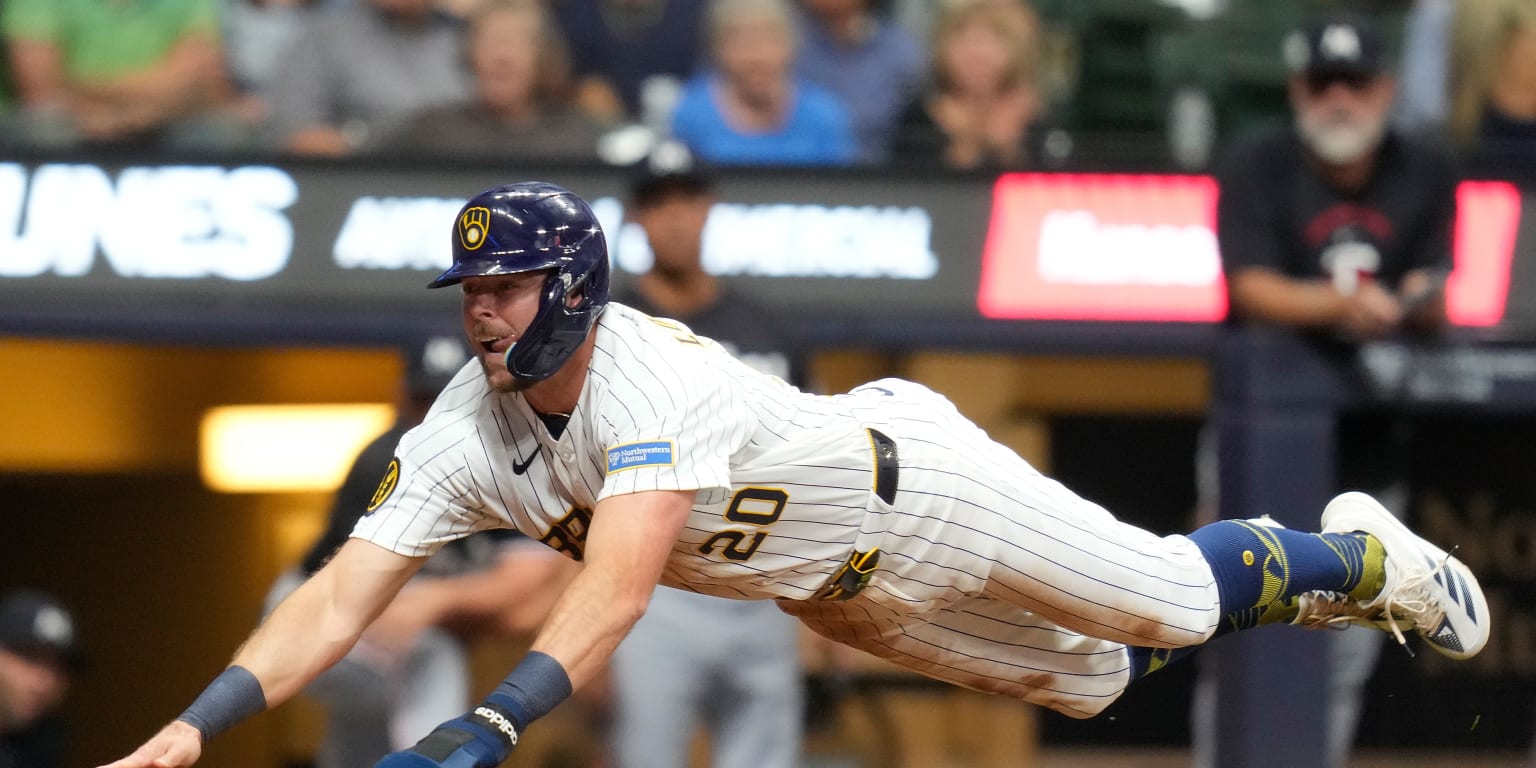
The Brewers trailed 3-1 against Minnesota on Saturday night at American Family Field, facing a Twins lineup that had beaten up starter Robert Gasser early. A win required depth production—and Milwaukee delivered it. David Hamilton, inserted into the lineup after Joey Ortiz left with neck tightness in the third, worked an eight-pitch walk in the fourth to load the bases. Brice Turang followed with a two-run single to tie the game. The breakthrough stayed locked at 3-3 until the eighth, when William Contreras singled, Brandon Lockridge—recently returned from a leg injury suffered in May—stole second, and Andrew Vaughn delivered the go-ahead single. Final score: 4-3 Brewers.
The comeback narrative masks the more durable pitching story. Gasser, a rookie left-hander, got shelled early. Minnesota jumped on his four-seam fastball hard in the second, scoring three runs on eight batters faced. The Twins' approach was clear: sit fastball, punish location mistakes. Instead of doubling down, Gasser made a tactical reversal. He dialed back his fastball usage significantly, leaning into his sweeper and changeup for the remainder of his 4 2/3 innings. The adjustment worked completely—Minnesota managed zero runs over the final three-plus innings despite continuing to put balls in play (seven hits total). Gasser's ability to diagnose his own command issues and execute a mid-game pivot prevented early damage from ballooning into a blowout.
This is the kind of young pitcher adjustment that doesn't always surface in box scores but matters enormously for future matchup lines. Gasser faced a hot offense, got exposed for predictability, and corrected it within the same game. That flexibility is the difference between a pitcher whose early-season struggles linger and one who stabilizes. For bettors tracking Brewers games going forward, Gasser's willingness to abandon a failing approach is a positive signal for his next outing. He won't get caught running the same ineffective game plan twice.
The deeper angle here sits with Milwaukee's bench—not for a single night, but as a seasonal trend. Hamilton's walk and Lockridge's stolen base were routine contributions, yet they arrived in high-leverage moments because Milwaukee had the depth to absorb Ortiz's injury and still field a functional lineup. That depth translates to team consistency and resilience on run lines and moneylines. Teams that can win games on unexpected production from the bottom half of the roster—rather than needing their stars to carry every night—tend to post better records than their talent level alone predicts. Contreras' leadoff single in the eighth also matters: he's a catcher accumulating at-bats in scoring-position situations where a hit matters more than average.
For Saturday's outcome, the Brewers' willingness to go unconventional paid off. For the broader season, Gasser's mid-outing recalibration and the bench's ability to produce in spot roles suggest Milwaukee can navigate injury uncertainty better than surface talent might indicate. Oddsmakers setting Brewers team totals and run-line prices should account for the fact that this roster doesn't collapse when one starter gets early exposure—it pivots.