Brewers' Skubal Miss Narrows Their October Ceiling—And Opens a Rotation Gamble
By Ty Whitney ·
Milwaukee loses the ace sweepstakes to Los Angeles, forcing a pivot to mid-tier starters with one day before the Trade Deadline and their rotation depth exposed.
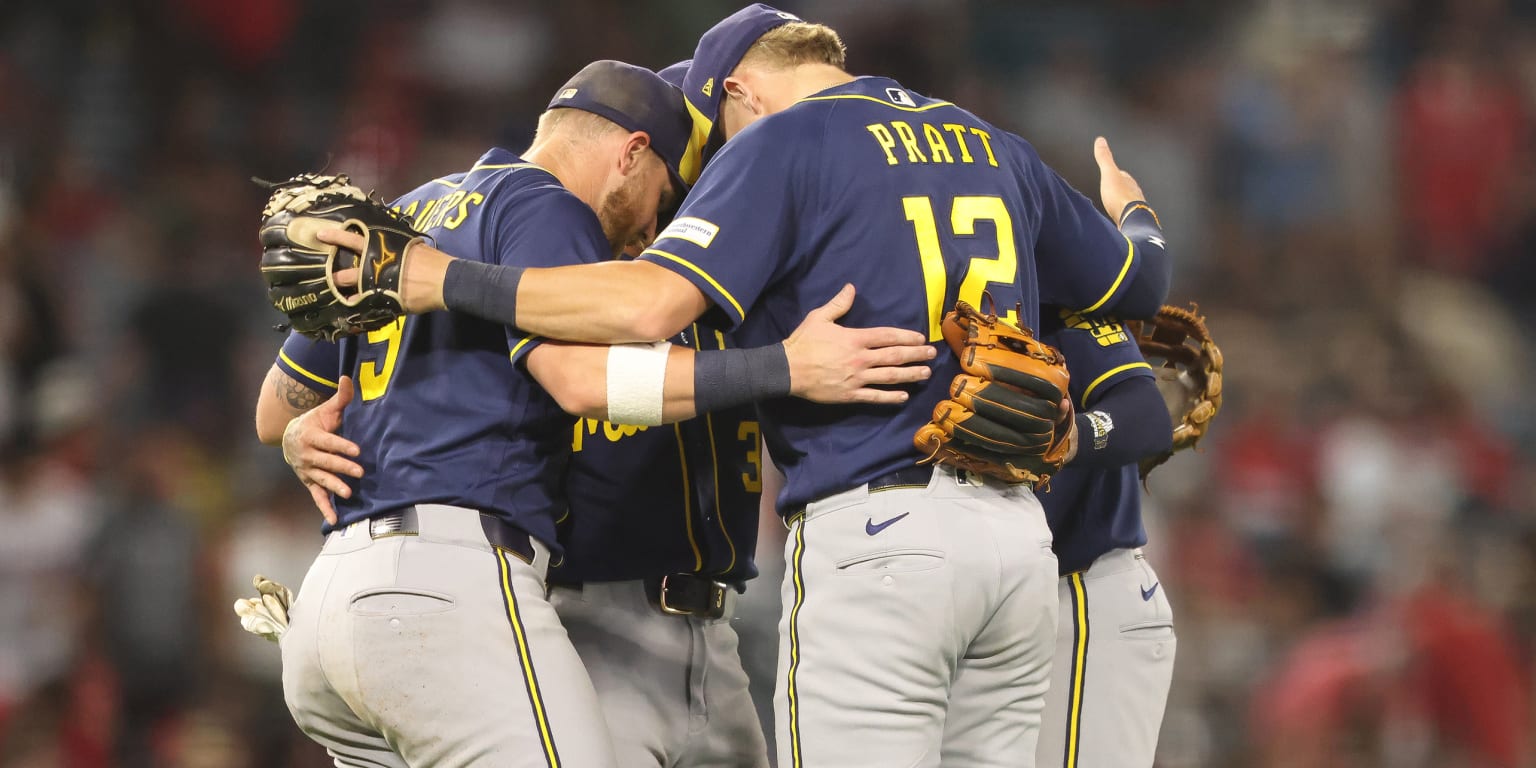
The Brewers' pursuit of Tarik Skubal ended Saturday night when the Dodgers closed the deal for Detroit's ace, a loss that stings harder because Milwaukee saw it coming. The Brewers have signaled aggressive deadline intent this year—a departure from recent restraint—and had positioned themselves as serious contenders for the game's biggest prize. Instead, they'll enter Monday's 5 p.m. CT deadline window without the anchor pitcher that would have made them a papers-on-the-table World Series threat. They're still 69-41 and leading the majors in team ERA at 3.48, a margin they hold over the Dodgers by a fraction. But losing Skubal to a competitor they split championships with over the past two seasons adds a layer of playoff regret before a single postseason game is played.
Milwaukee's rotation architecture is paradoxically fragile despite its statistical strength. Jacob Misiorowski leads baseball in ERA and strikeouts, but the Brewers are simultaneously operating without Brandon Woodruff and Quinn Priester, both lost to season-ending injury. That pair represented depth; without them, Milwaukee's third-starter leverage has compressed into Casey Mize territory—a mid-tier arm with flashes of dominance but not the October security the Brewers were seeking. Robert Gasser has been serviceable (one run over five innings Saturday against the Angels), but serviceable doesn't close a gap against the Dodgers' rotation, which now includes Skubal alongside its existing starpower. The market understood this immediately: Los Angeles just telegraphed its intention to win in October, and the Brewers are now forced to settle for contingency options.
With 24 hours until the deadline, Milwaukee's available inventory is thin at the very top. Casey Mize, Skubal's former Tigers teammate, remains available but carries injury history and less certain command. Hunter Greene offers upside but a shorter track record of playoff-level production. The next tier—Kevin Gausman, Reid Detmers, José Soriano—are durable innings-eaters without the ceiling the Brewers need to counter the Dodgers in a seven-game series. This forced Milwaukee into a choice: overpay for marginal improvement, or lean into the pitching depth they've already built around Misiorowski and rely on their bullpen, where Trevor Megill and Abner Uribe are operating as a high-leverage duo.
For bettors tracking Brewers playoff equity, this reversal reshuffles the NLCS calculus. A Brewers-Dodgers rematch—the Dodgers swept Milwaukee in last year's NLCS—now favors Los Angeles by a wider margin on paper. Brewers starting pitching WAR is now concentrated in fewer arms, which means higher variance in any extended series. Early October odds on Brewers World Series win total should reflect this narrowing: they're still a 69-41 team with elite overall pitching, but their ceiling has lowered relative to their Tuesday-morning market price. The Dodgers, meanwhile, paid heavy prospect capital to prove they won't be outbid. That internal valuation—the fact that LA committed real future assets—suggests their front office believes Skubal changes October outcomes. The market should price it that way.
Milwaukee will likely complete secondary moves before Monday's deadline—a third starter, a relief arm, possibly infield help—but none will erase the strategic defeat of losing Skubal to a division rival who is more willing to trade future capital for present-day ace insurance. The Brewers' choice now is whether to compete within their constructed roster or overextend to chase the tier of reinforcement they wanted but couldn't secure. Pat Murphy's joke about saying the rosary suggests the clubhouse knows the difference. They're a good team. They're not the team they wanted to be 24 hours ago.