Makar's $163.2M Deal Resets the Defenseman Market—And Exposes Cap Pressure Around the League
By Justin Erickson ·
Colorado's franchise cornerstone just became the first $20M-per-year defenseman in NHL history, and the ripple effect is about to squeeze teams with aging star contracts and uncertain windows.
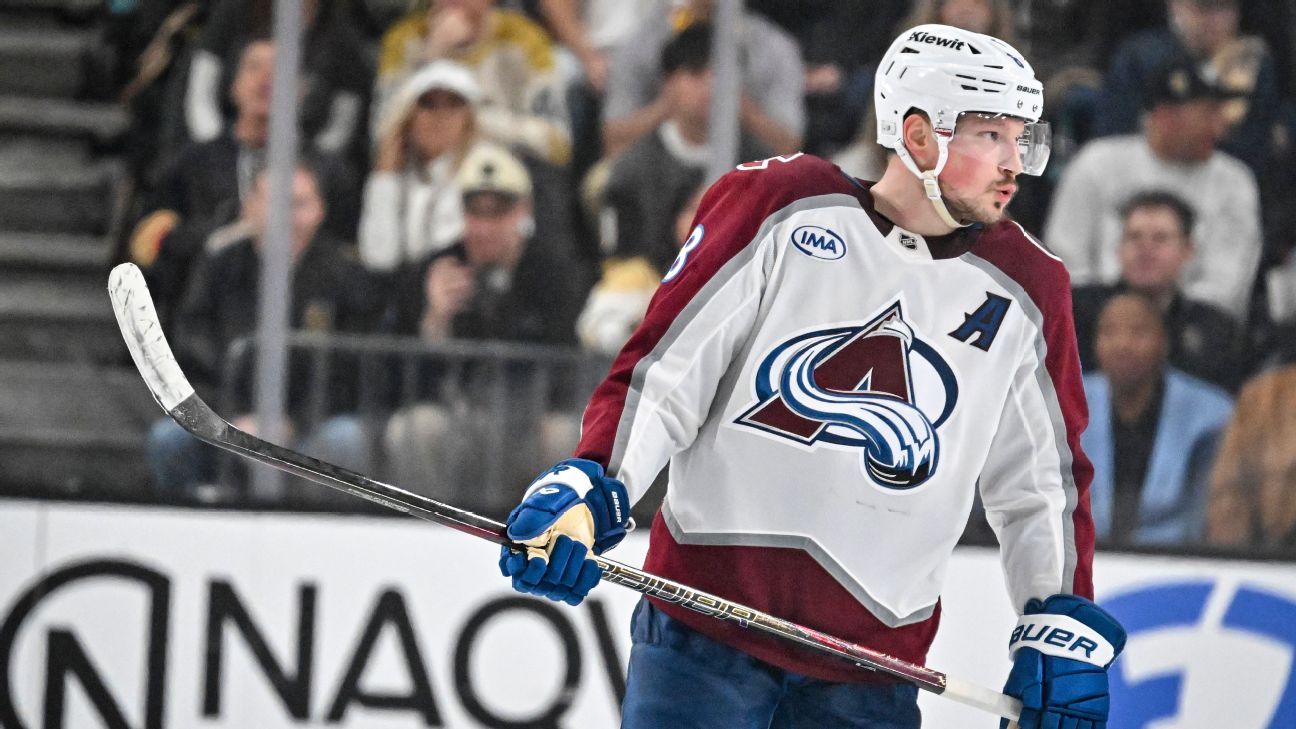
Cale Makar signed an eight-year, $163.2 million extension with the Colorado Avalanche on September 2, making him the first defenseman—and one of only a handful of skaters at any position—to command $20.8 million in average annual value against the salary cap. The 27-year-old, who logs north of 25 minutes per night and was already the league's most dominant two-way blue-liner, has now created a new floor for elite defenseman compensation that will reshape negotiations across the league for the next two years.
The Avalanche locked Makar through 2034, which matters less for the immediate cap crunch than it does for the strategic message: Joe Sakic chose to anchor his roster around the very best player available and absorbed the full market rate without discount. There was no hometown haircut, no length reduction in exchange for lower AAV. Makar's camp leveraged his looming unrestricted free agency—and the reality that he was worth every penny—into maximum security and maximum dollars. Colorado, which already had Nathan MacKinnon locked through 2031 at $12.6M AAV, is now committed to spending roughly $33.4 million just on those two players for the next eight seasons. That's before you ice a goalie, a third defenseman, or any wingers.
For teams like Minnesota—specifically GM Bill Guerin and his Quinn Hughes negotiation—the timing is brutal. Hughes sits at $7.85 million with one year left on his deal before hitting restricted free agency. He's younger than Makar (24 vs. 27), hasn't yet accumulated the playoff credentials, but now negotiates against a comp that just doubled the defenseman market. Guerin told local media he has "no tension" with Hughes's agent Pat Brisson, but that's precisely what every GM says before the asking price lands. The Wild traded significant assets to Vancouver for Hughes and have already telegraphed they can't afford to lose him. Hughes's next deal will start somewhere in the $18M–$22M range; Makar just proved the floor.
The betting angle here isn't a single-game prop but a structural one: teams with aging superstars on legacy contracts (those signed pre-2024) will face acute cap pressure starting next season and continuing through 2027–2028. This creates two distinct opportunities. First, underdog teams with younger, cheaper rosters—those that still have three-to-four years before their star defenseman or franchise center hits the market—will outpace the aging expensive contenders in win total and moneyline value. Second, watch for fire sales or cap dumps from the traditional heavyweights. Once a team like Minnesota, Nashville, or Dallas realizes they can't fit both their aging star and a playoff-competitive supporting cast under the $88M cap, they'll move depth pieces at deadline rates or accept earlier-than-expected rebuild phases. That volatility is profitable for bettors who track cap space weekly.
Colorado's luxury is real but finite. Makar's deal consumes 23.6% of the salary cap immediately. MacKinnon adds another 14.3%. That leaves just $32.2M to build a competitive roster around two franchise players entering their mid-to-late primes. Revenue growth and potential expansion cap relief (new teams generate funds) might offset that by 2028–2029, but the agent was right: by the time Makar's deal ends, $30M-per-year players will exist, and $20M will look quaint. For now, it's a championship anchor and a market-resetting anchor simultaneously.