Sharks Add Hajek on Two-Way Deal: Depth Play Signals Defensive Uncertainty
By Justin Erickson ·
San Jose's signing of a 28-year-old journeyman defenseman on a prove-it contract reflects organizational caution heading into a season where depth and roster stability matter for win totals.
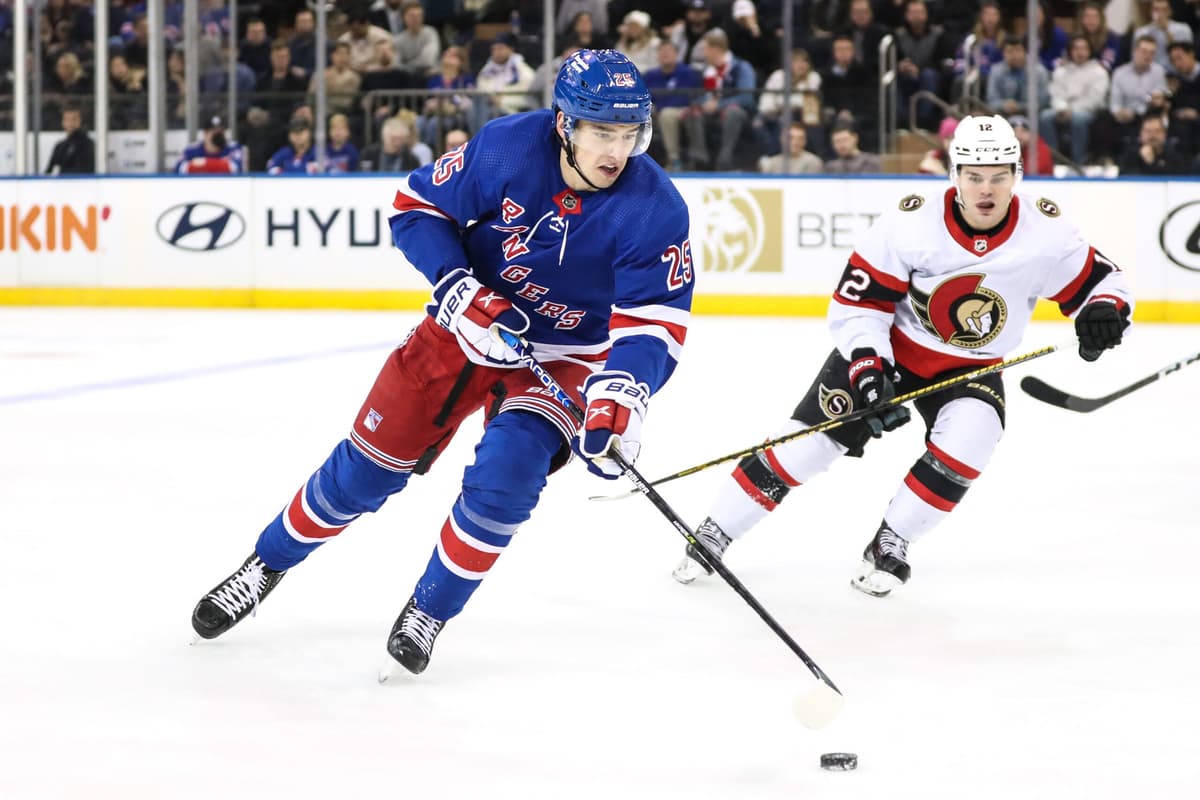
The San Jose Sharks signed defenseman Libor Hajek to a one-year two-way contract on Wednesday, continuing a summer marked by surgical roster adjustments rather than marquee additions. The deal carries an $850,000 cap hit at the NHL level, $350,000 annually in the AHL, and guarantees Hajek a minimum of $425,000 for the 2026-27 season—numbers that reflect a low-cost, exit-friendly structure typical of teams hedging their bets on organizational direction.
Hajek, 28, brings seven seasons of professional experience but no distinction as a top-four anchor. His value proposition is pure depth flexibility: he can live in San Jose's bottom pairing or drop to the AHL without salary penalty, making him a release valve for a franchise that has churned through defensive combinations in recent years. The two-way architecture tells you everything about San Jose's confidence level. Rather than lock in a veteran on a straight NHL deal, the Sharks preserved optionality. If injuries hit the back end, Hajek can plug in. If the team needs salary-cap space or younger defensemen emerge, he moves without dead money.
This signing sits inside a larger Sharks narrative: methodical portfolio building without star additions. San Jose isn't signaling a playoff push this season. It's signaling controlled risk management. Every contract from management—especially low-dollar two-way pacts—broadcasts internal belief about the team's ceiling. The Sharks are not betting on a breakthrough year; they're protecting against catastrophic injury while maintaining organizational payroll discipline heading into 2026-27.
For prop players, Hajek's arrival should mildly depress San Jose's team totals and spread expectations if he becomes a regular rotation option. A team carrying a 28-year-old depth defenseman as an offseason priority isn't built to outshoot opponents or rack points in bulk. His presence in the lineup—especially if injuries force him into third-pairing minutes—correlates with tighter, lower-event hockey. Sharks team totals under 110 shots per game and team goal unders in the 2.8–3.1 range carry modest edge if Hajek logs 15+ minutes alongside limited offensive upside on the blue line. The Sharks' cap structure and roster composition already nudge toward defensive-first hockey; Hajek is organizational confirmation of that philosophy.