Horcoff Takes Interim Reins at Detroit as Red Wings Lock in Leadership Through 2026-27
By Justin Erickson ·
Detroit promotes continuity over star power, handing day-to-day control to a known quantity while keeping the door open for external candidates—a move that stabilizes roster decisions but signals no philosophical reset.
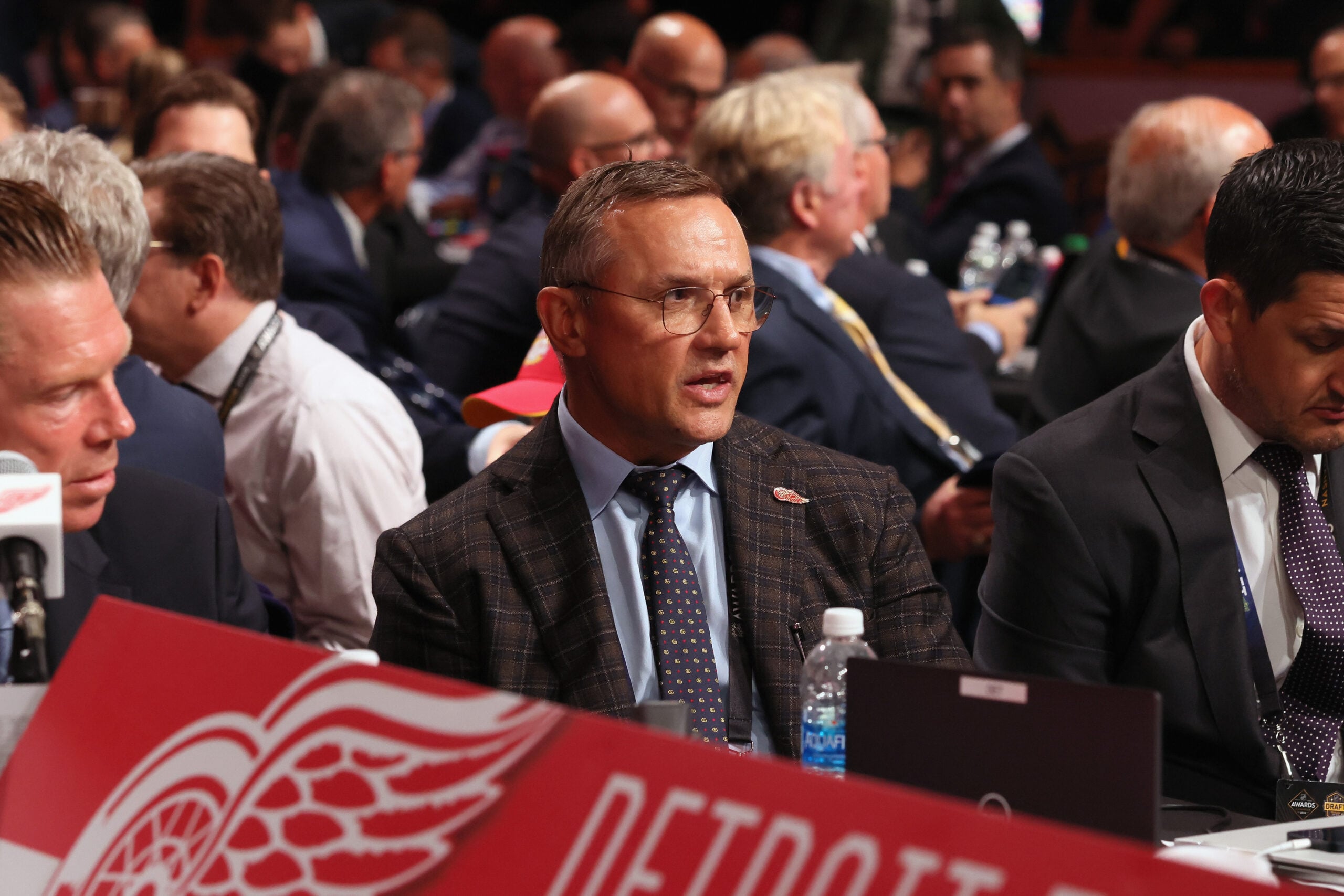
The Detroit Red Wings elevated assistant general manager Shawn Horcoff to interim GM on Tuesday, tasking the 47-year-old veteran executive with steering the franchise through the 2026-27 season while ownership completes a methodical search for a permanent hockey operations leader. Horcoff, who joined Detroit in 2016 and has run the Grand Rapids Griffins since 2022, assumes full control of salary-cap decisions, roster transactions, and personnel matters—the operational levers that determine whether this rebuild gains traction or stalls again.
This is a safety play, not a statement. Owner Chris Ilitch framed the promotion as a holding pattern: Horcoff gets the whistle while Detroit recruits outside candidates on its own timeline. The message is clear—the organization values stability over disruption heading into the season, and Horcoff's decade embedded in the system means roster moves won't require a learning curve. He knows the prospect pipeline he helped construct, understands the salary-cap flexibility or constraints left behind by Steve Yzerman's tenure, and carries no reputation baggage from external hires or philosophical clashes.
What matters for bettors is that this removes uncertainty from the decision-making apparatus. Horcoff's immediate priorities—extension negotiations with Simon Edvinsson, potential mid-season rental moves, deployment patterns of the prospect cohort—will reflect continuity rather than a front-office purge or coaching staff overhaul. The Red Wings won't blow up the roster in November to prove a new GM's vision. That reduces variance in how trades, callups, and depth-chart changes unfold, which tightens the band of predictable outcomes for team-total and spread projections.
The flip side: Horcoff's interim tag carries an implicit audition component. Every transaction he makes will be weighed against his candidacy to remove the word "interim." That creates a subtle incentive toward conservative decision-making—moves that protect his resume rather than bold swings that could backfire. In practical terms, expect measured trades, measured callups, and measured line tweaks rather than aggressive deadline deals or experimental lineups. This dampens volatility in team-performance expectations and makes season-long totals and spreads less prone to sudden structural shifts.
For prop purposes, the operational stability cuts in two directions: first, roster continuity means starting goaltenders and top-line combinations remain predictable through the season, reducing mid-game adjustment surprises that spike shots-on-goal or goal totals; second, Horcoff's need to prove competence may push him toward risk-averse personnel decisions, keeping the roster composition narrower and performance variance tighter. Neither effect is explosive, but both suggest that Red Wings team totals and spread lines will experience less volatility than organizations navigating a full-scale front-office reset. Bettors should price in that steadiness—unders on team totals carry less tail risk if Horcoff plays it conservative, and spreads should hold their opening-day calibration longer absent major personnel shocks.