NHL · transaction
Rangers Shed Berard, Canadiens Roll the Dice on Defensive Depth
New York trades away a struggling young winger to Montreal in a depth-swap that signals the Rangers' offensive patience has limits.
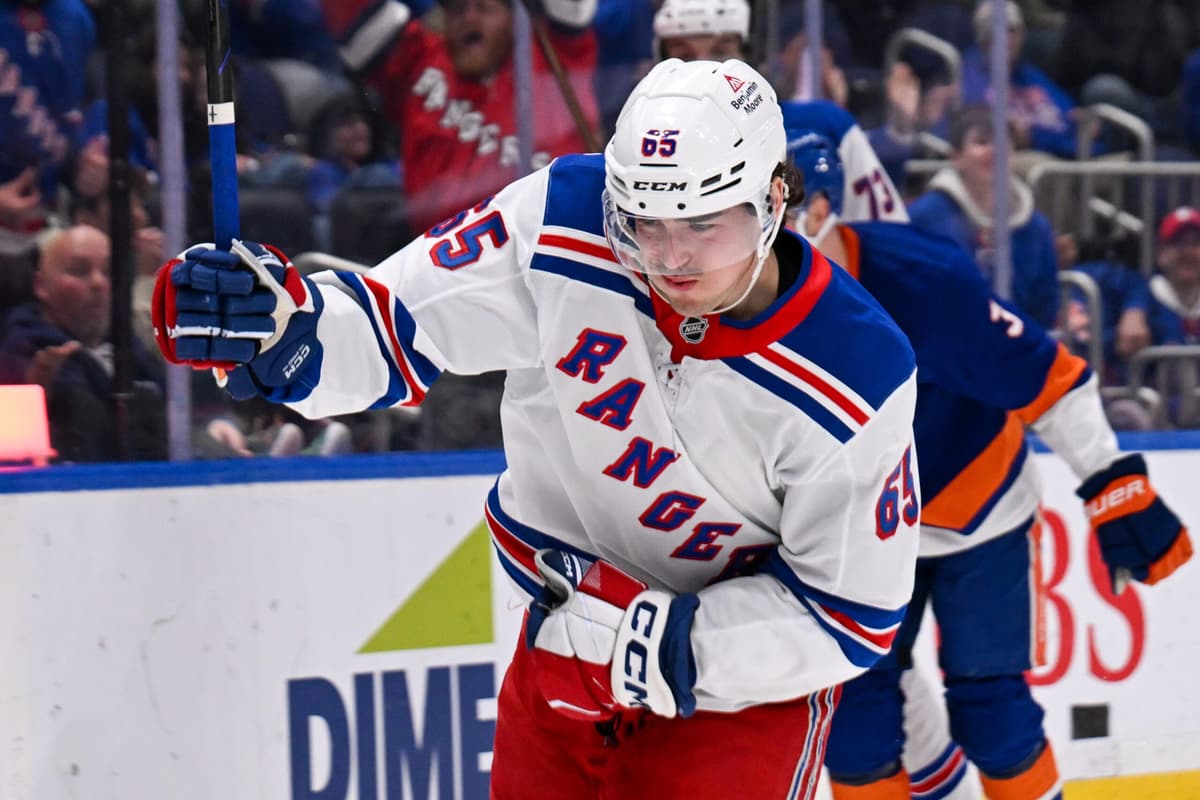
The New York Rangers moved Brett Berard to the Montreal Canadiens on Friday in exchange for minor-league defenseman William Trudeau, closing the book on a prospect acquisition that never materialized at the NHL level. Berard, 23, managed just 10 points across 48 career games with the Rangers—a production rate that screams organizational disappointment for a player drafted with significant expectation. Both players are restricted free agents, meaning the trade amounts to a speculation-grade swap rather than a clear win for either side.
Berard's underwhelming Rangers tenure reflects a broader challenge: first-round pedigree does not guarantee NHL readiness, and neither does proximity to elite linemates. At 23, he still carries developmental runway, but the Rangers' decision to move him suggests they've exhausted their patience window and see no clear path to integrated offensive value. Montreal inherits a gamble—a young winger with NHL exposure but minimal traction, betting that a change of scenery and lineup construction might unlock dormant offensive instincts. Trudeau, the return, has not appeared in an NHL game; the trade is essentially the Rangers betting against Berard's future while Montreal bets for it.
From a roster construction angle, the Rangers free up a roster spot and cap flexibility (though both players are RFAs, so contract terms remain fluid) while signaling they're willing to cut losses on middling-return investments. Montreal gains depth optionality but takes on an unproven commodity. The trade carries minimal immediate impact on the Rangers' 2026-27 lineup construction—Berard was not a centerpiece contributor—but it does suggest management is tightening asset allocation toward proven NHL production.
For prop bettors, this trade lands with negligible near-term consequence. Berard's marginal offensive role with New York means his absence will not materially shift Rangers team totals, goals, or assists projections. Montreal's offense remains anchored by its existing core; Berard's addition is depth insurance, not a catalyst. The real signal is organizational discipline: the Rangers are not afraid to admit draft-era mistakes and move on. That ruthlessness may translate into roster decisions that DO impact betting lines—tighter lineups, fewer dead-cap anchors, cleaner cap allocation for mid-season acquisitions. Watch for the Rangers to be more aggressive at the trade deadline if depth wingers become available; this move frees mental and financial space for that calculus.
Neither team's prop surface moves materially. Berard's Rangers departure does not move the needle on team totals because his production floor was already pricing in replacement-level contribution. Montreal's acquisition is too speculative to shift offensive expectations. The meta-lesson for bettors: trades involving unproven or underperforming young players rarely create actionable betting angles. The real edge in trades surfaces when established producers change hands or when a team signals a structural shift—neither of which occurred here.