NHL · transaction
American Exodus Reshapes the Trade Board: Hellebuyck, Larkin, and the Tax-Haven Pull
The Brady Tkachuk deal to Florida validates a pattern: elite American-born players are fleeing Canadian markets for U.S. franchises with tangible financial and lifestyle advantages.
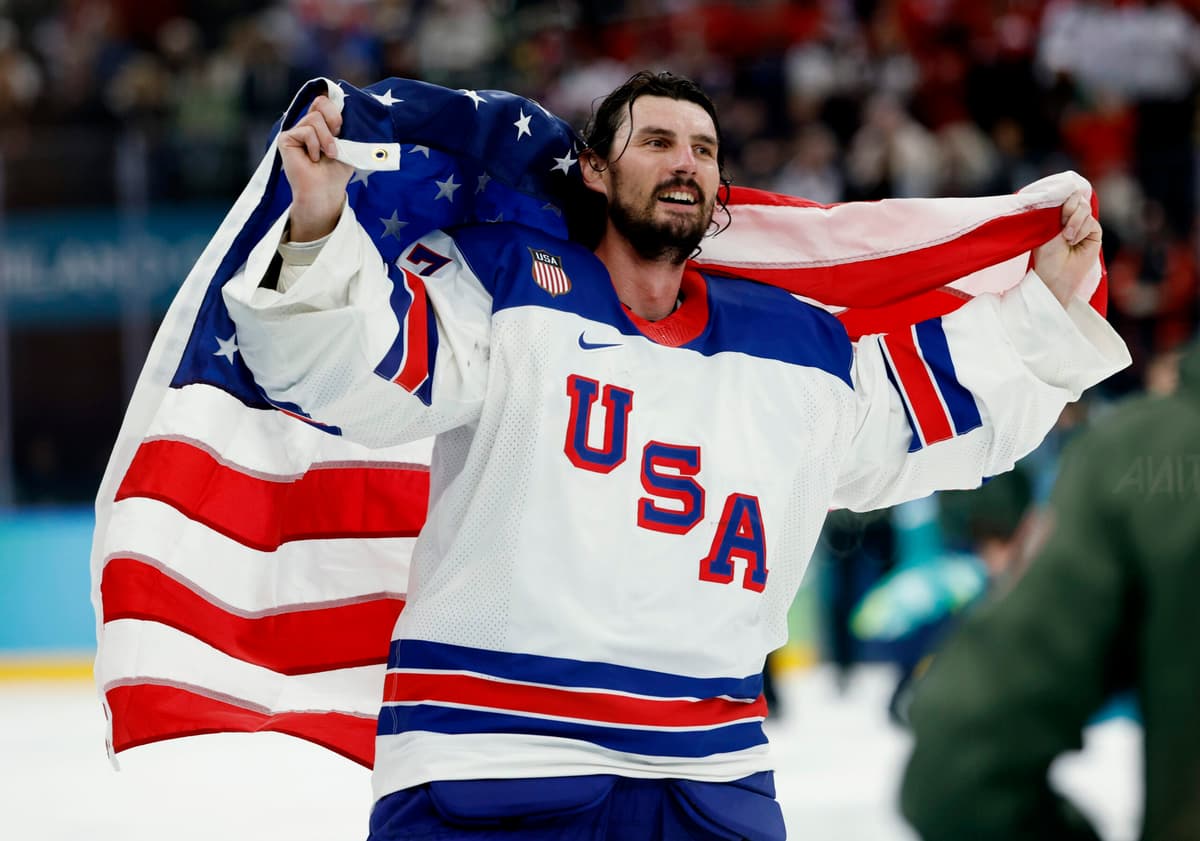
The Brady Tkachuk blockbuster trade to Florida didn't just shuffle the Atlantic—it weaponized a thesis that's been circulating privately among executives for over a year. American-born stars are leaving Canadian NHL cities, and the pull toward U.S. markets with lower tax burdens, warmer climates, and lighter media scrutiny is measurable enough that front offices can no longer treat it as conspiracy-forum chatter. Connor Hellebuyck's name now sits atop the trade whispers in Winnipeg, and it's not speculation born from a single interview. The gold medal he won for Team USA at the Milano Cortina Olympics in February—less than four months ago—crystallized something: these players have options, and the destinations with the most obvious financial upside are Vegas, Florida, and Minnesota.
Daryl Larkin's mid-June trade request confirmed the pattern holds even for younger, prime-earning players. The Red Wings center originally listed just three destinations—Florida, Minnesota, Vegas—but the leakage of those preferences into the market has already widened the suitor pool. Larkin's 30-goal, minute-heavy profile fits every contender in need of depth down the middle, yet the underlying story is simpler: he wants out of Detroit, and he's signaled where. The Wild appear positioned as the overwhelming frontrunner, a development that reinforces the geographic hierarchy. Minnesota has become the quiet American hub that Canadian teams can't easily match. Damon Nurse, meanwhile, has spent over a decade absorbing Edmonton's intensity, and reports now suggest he's ready to move. The Oilers' confidence in moving him without salary retention speaks to market demand—multiple franchises are willing to acquire an aging defenseman at full value, which only happens when the destination carries real appeal.
What ties these three together is less a salary-cap edge than a lifestyle arbitrage that front offices are finally pricing into trade negotiations. Tax differentials between Alberta and Florida can exceed $500,000 per year on a $9-million salary. Vegas and Florida offer both tax advantage and media anonymity. Winnipeg and Detroit offer neither. The contracts are long—Hellebuyck runs through 2030-31, Nurse through 2029-30—meaning the lifetime financial benefit of a U.S. move compounds over years, not just one season. When a player has a no-trade clause or a trade request in hand, that advantage becomes leverage. It's not that these players are mercenaries; it's that the structural incentive to move has never been clearer.
For prop markets, this trade activity matters most in how it shapes roster construction and goal-scoring distribution in the destinations. If Larkin lands in Minnesota, the Wild's forward depth and power-play versatility spike sharply; Larkin's 30-goal pace on a deeper team typically translates to higher goal volume and more assist opportunities for supporting cast. Similarly, if Hellebuyck stays in Winnipeg but the team pivots to acquiring complementary talent to retain him, the Jets' save burden and shots-against profile could shift. Conversely, if Hellebuyck exits Winnipeg, the goalie spot becomes a wildcard heading into 2026-27, which will inflate uncertainty on Jets' team totals and goal props until a replacement is named. The Nurse trade is less prop-relevant on an individual level—declining defensemen rarely drive meaningful volume edges—but it signals organizational flexibility in Edmonton, which could precede other roster moves that affect secondary scoring and power-play distribution.
The immediate betting angle sits in destination odds and futures markets, not in-game props, because the trades themselves haven't closed. What's actionable now is recognizing that American-market teams—Vegas, Florida, Minnesota, Dallas—will likely emerge with more appealing rosters once the deadline passes. If Larkin ends up in Minnesota or Vegas, both franchises improve their center depth and shot-generation in ways that will eventually tighten spreads and lower totals in their favor. Baking in the destination preference early, before official announcements arrive, is where the sharper angles live in the next 72 hours.