Werenski Stays Put, Kane Heads to Buffalo, and the Capitals Gamble on Ovechkin's Future
By Justin Erickson ·
A quieter deadline than expected reshapes three contenders' forward depth and defensive alignment heading into next season.
Zach Werenski is staying in Columbus. After exploring a trade market that included at least one formal proposal—Dallas declined his services—the Blue Jackets defenseman reversed course, telling management he wants to remain with the organization. The noise surrounding his potential departure, combined with candid conversations with his family, proved enough to reset both player and front office expectations. It's a pivot that removes uncertainty from Columbus's back end but leaves open the question of whether this peace holds through training camp or merely delays a reckoning.
Meanwhile, Patrick Kane is headed to Buffalo. The veteran winger, whose career has careened between Detroit's rebuild and Chicago's shadow, lands with a Sabres team trending upward faster than their divisional competition. Kane's local ties and playoff-ready supporting cast make the move tactically sound; his shooting volume and net-front positioning provide immediate relief on a power play that will need secondary scoring options. The Red Wings, by contrast, lose a reliable 50-point contributor in a year where depth matters more than lottery position.
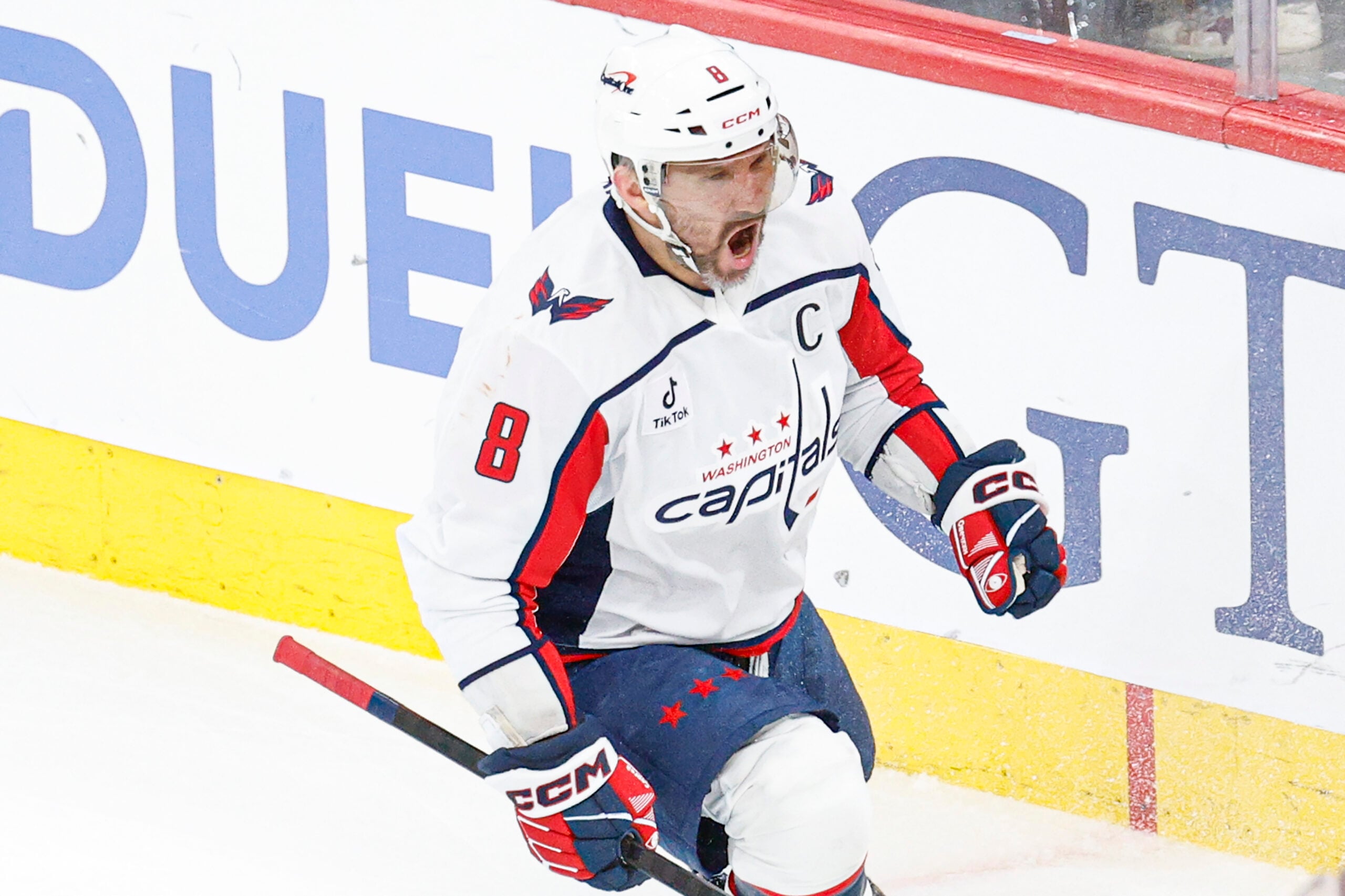
The Washington Capitals, despite committing substantial free-agent capital, are keeping the door open for Alex Ovechkin. GM Chris Patrick indicated bonus-heavy contract structures could bridge the gap between organizational cap constraints and Ovechkin's earning expectations. The timing is ambiguous—no public retirement announcement, no signed extension—but the Capitals' willingness to engineer a solution telegraphs internal belief that the veteran's presence remains worth the structural gymnastics. That confidence itself is a statement about next season's competitive window.
For prop bettors, these moves carry immediate lineup implications. Kane's arrival tilts Buffalo's offensive ceiling; his shot volume (typically 3.2–3.8 per game) and finishing rate against transition defenses will correlate with higher team totals, especially in matchups where the Sabres face slower backline depth. The Blue Jackets lose no material shot-generation value with Werenski remaining, but they avoid the defensive-turnover spike that typically accompanies a traded star's replacement-level successor. Ovechkin's unresolved status creates variance in Washington's season-opener deployment, though the Capitals' free-agent signings suggest they're building around his likely return—a signal that his usage rate remains primed for volume props once clarity arrives.
The narrowest edge sits with Kane's first-month totals in Buffalo. He enters a system with higher offensive throughput than Detroit's; that context shift, combined with his proven road-game consistency (45% of his production in away contests over the past two seasons), suggests bookmakers may underprice his early-season assist and point ranges. The market hasn't yet fully repriced a mid-tier winger's value when transplanted into a faster offensive environment.