NHL · transaction
Contract Leverage Shifts: How the NHL's No-Trade Loophole Reshapes Offseason Power
The league confirms teams can negotiate conditional protections into no-move clauses—a legal workaround that could tip leverage back toward front offices and reshape how star players are valued mid-contract.
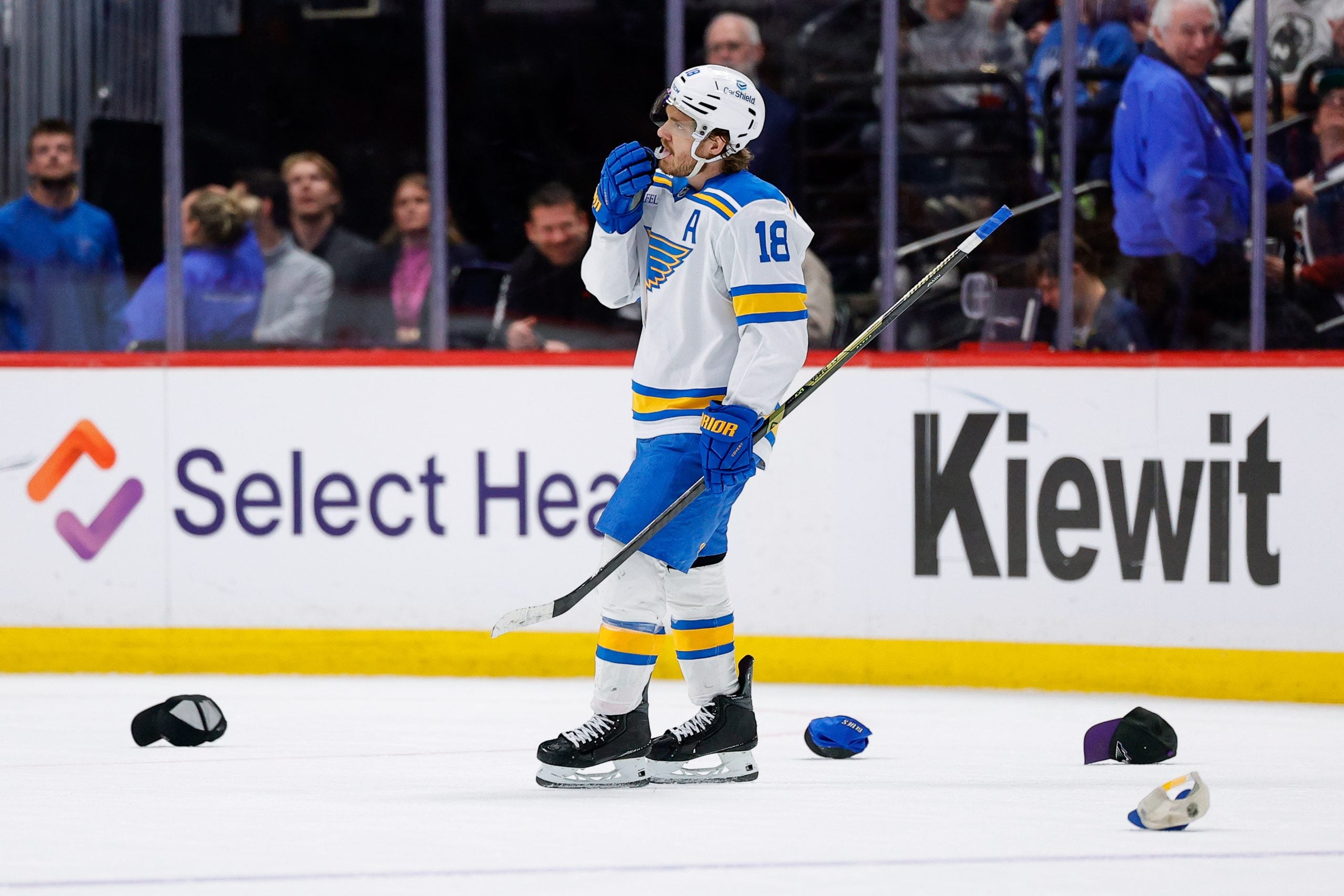
The NHL's deputy commissioner Bill Daly has officially confirmed what savvy teams are already testing: no-move and no-trade clauses aren't binary protections. Teams can bake custom conditions into these clauses—language that voids the protection if a player requests a trade, or limits its scope to specific league transactions. It's a contractual grey area that the league permits, one that doesn't require CBA amendment because it sits outside the collective bargaining framework. The league's central registry still approves the language before validation, but the flexibility is there, waiting for the next GM willing to use it.
This matters because it rebalances negotiating power in a landscape where star players have increasingly extracted full movement control. When a player like Robert Thomas holds a full no-trade clause and then signals trade interest mid-contract, the team historically has almost no leverage—the player sets destinations, the team scrambles for return assets. But if that clause contained a dormancy trigger (a provision voiding it if the player requests out), the calculus inverts. Suddenly the GM can say: you want to leave? You're in free agency after this season. Stay and we'll honor the protection. The Blues resolved their Thomas situation cleanly—new GM Alexander Steen sat down and convinced him the rebuild had a timeline and clear vision. Thomas, four years into his eight-year, $65 million deal, reaffirmed commitment. But that conversation happened before the clause clause made headlines. Future iterations of similar tensions won't have the luxury of ambiguity.
Detroit's extended GM search—potentially stretching into September, weeks past the typical August resolution—adds another layer to the offseason calculus. Steve Yzerman transitioned to senior advisor role on July 15, leaving the Red Wings without permanent leadership for over two weeks now and potentially longer. That vacuum matters for contract negotiations, trade discussions, and any pending decisions on players testing the market. A new GM walks in without the accumulated intel of an incumbent negotiator. Contracts signed or amended during a search period carry less certainty about approval timelines and philosophical alignment. The longer Detroit waits, the more July trades and August free-agent signings happen without their new decision-maker's fingerprint.
For prop bettors, the mechanism is indirect but real: organizational instability correlates with roster entropy. Red Wings players approaching decision points (restricted free agents, pending trades, contract extensions) face uncertainty about management philosophy and long-term commitment. That uncertainty often manifests as reduced chemistry, lower team shooting percentages, and looser coverage in key situations—a 2-3% difference in power-play conversion or even-strength shot volume. Blues players, conversely, now have clarity after the Thomas resolution; organizational confidence can tighten group performance. Over the next 30-45 days, as Detroit names its permanent GM and the team stabilizes internally, expect tight games early in the 2026-27 season followed by improvement once the new regime has a full training camp. Unders on Detroit early-season team totals and Red Wings spreads offer value as the organization finds footing; overs gain traction post-October once the new GM's systems take hold.