NHL · transaction
Blue-Line Musical Chairs: How Defenseman Movement Reshapes Playoff Contenders' Salary Clocks
Edmonton, Toronto, and Carolina are reshaping their back ends mid-summer, and the ripple effects on depth minutes and power-play deployment could reshape how teams close games when it matters.
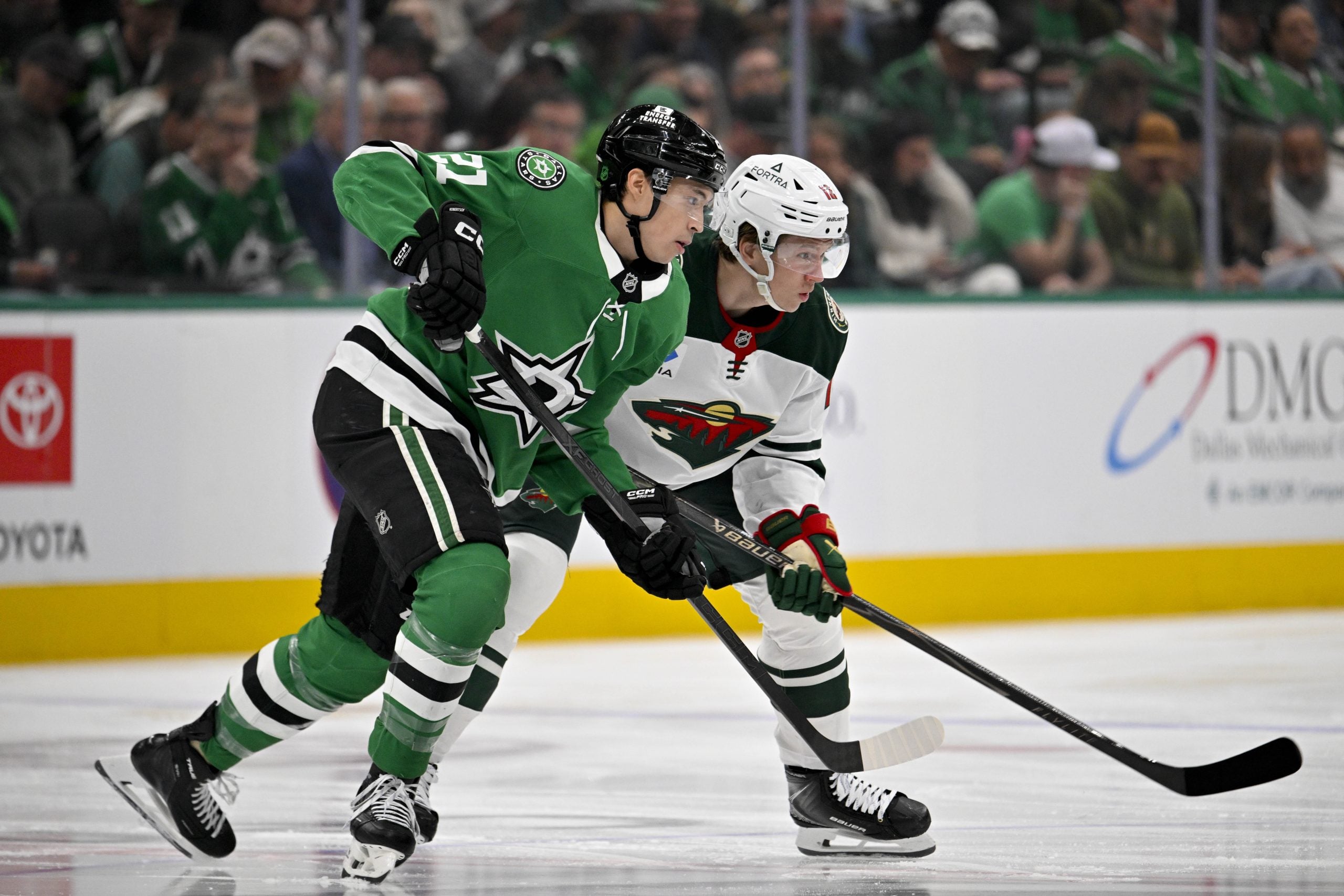
The NHL's June trade window is heating up around defensemen, with three franchises working simultaneous negotiations that signal a seismic shift in how contenders balance depth and cap flexibility. Edmonton's Darnell Nurse has submitted a trade list centered on Philadelphia, Pittsburgh, and Boston; Toronto's Morgan Rielly is exploring westward moves to San Jose and Anaheim; and Carolina—fresh off a Stanley Cup win—is fielding calls on Alexander Nikishin from as many as six teams, per reporting from TSN and Sportsnet.
The mechanics here reveal something deeper than typical roster churn. Nurse, a $9.25M anchor on Edmonton's blue line, has drawn specific interest from divisional rivals, suggesting the Oilers are willing to absorb short-term cap pain to unlock flexibility for forward reinforcements. Rielly's westward preference—particularly San Jose and Anaheim, both sellers in a rebuild—hints that Toronto sees limited urgency to retain him at his current $7.3M AAV, likely freeing capital for deadline-season forward upgrades. Carolina's Nikishin situation is the outlier: a 24-year-old RFA seeking north of market value post-Cup run, the Hurricanes' organizational resistance to pre-explosion overpayment suggests they'll test the market rather than compromise their salary structure. The team has already fielded six trade inquiries, indicating Nikishin's value (and his salary demands) exceed what Carolina is willing to commit long-term.
What's absent from these negotiations matters as much as what's in play. None of these moves directly impact immediate playoff seeding—June is still four months before the playoff gauntlet. But the timing, combined with Bowen Byram's expected $12.5M-$13M extension in Chicago and Connor Hellebuyck still under Jets observation (no shop, but monitoring permission granted), suggests front offices are calibrating depth-to-salary ratios now. Teams moving defensemen are banking on their forward groups carrying playoff load; teams acquiring them are gambling that veteran backend minutes will stabilize high-leverage scoring chances.
For prop bettors, the deployment angle is where this gets actionable. Nurse in a new system faces a 7-10 game acclimation window before his assist rates and plus/minus stabilize—the Oilers, if he stays, will likely reduce his power-play QB time initially. Rielly, if moved west, shifts from a depth-anchored Toronto blue line into a primary role on San Jose or Anaheim, meaning his shot volume and touch could climb 1.5-2.5 per game. Hellebuyck's trade value premium (six teams interested) is already baked into his ownership; expect him to carry higher backgammon in any negotiation, potentially reducing his starts if moved midseason. The prop angle isn't on goals-against—it's on deployment volatility narrowing the betting window for player-specific assists and blocked-shots lines once trades finalize. Early-summer is when these markets are widest; once ink is dry, sharp books will reprrice deployment assumptions within 24 hours.