NHL · transaction
Carlson to Tampa Bay at 36: Buy-Low Veteran Defense or Sinking Ship?
John Carlson lands in Tampa Bay on a bargain two-year deal, but his role in a rebuilt Lightning lineup will determine whether his assist upside remains a prop bet with legs.
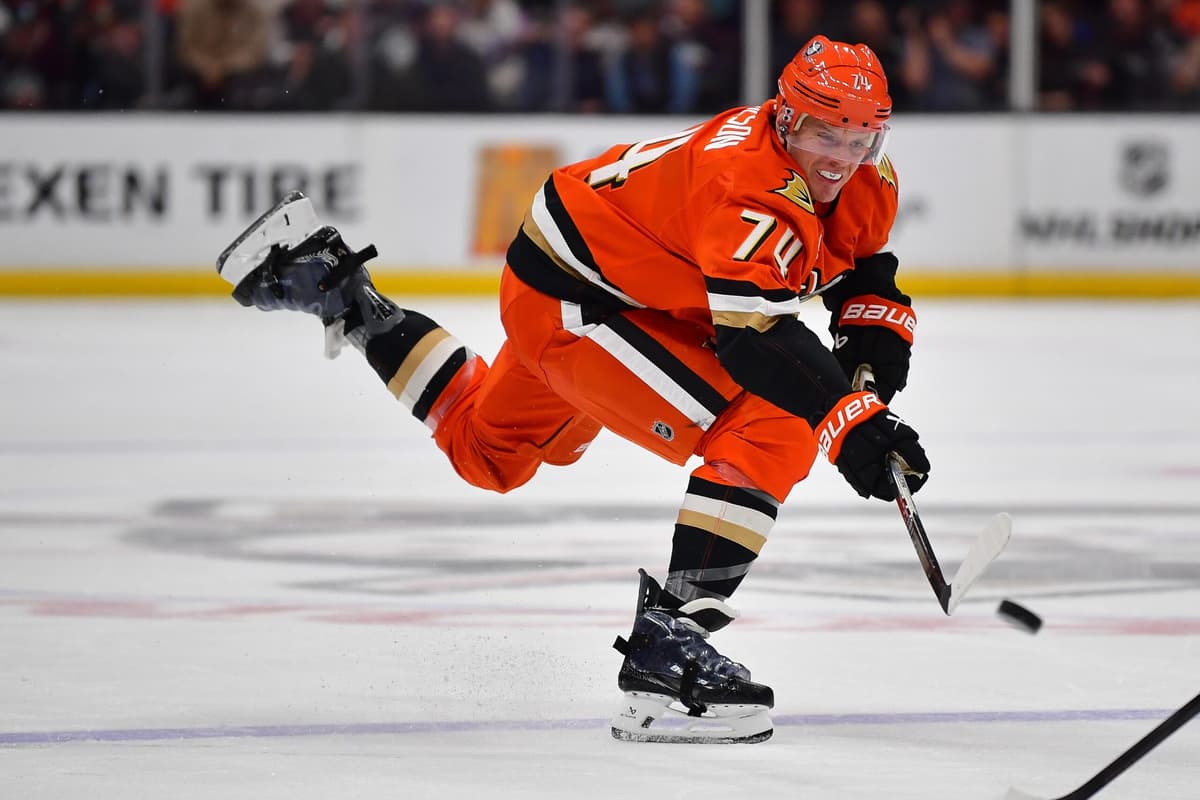
The Tampa Bay Lightning signed John Carlson to a two-year contract worth $8.5 million per season on July 1, signaling a pivot toward veteran depth on the blue line as the organization reshapes its roster after years of championship contention. At 36, Carlson arrives as a reclamation candidate—a Norris Trophy finalist in 2020 with 60 assists that season—but the context matters far more than the pedigree.
Carlson's last season with Washington was uneven. He logged under 23 minutes nightly and saw his assist rate compress as the Capitals' offensive structure decayed. The question isn't whether he can log 45-50 assists in a full season—his 2018-2020 run proved that—but whether Tampa's quarterback-heavy defense scheme will deploy him in those high-leverage, transition-initiating spots that fueled his point accumulation. The Lightning's defensive corps is already anchored by stronger producers at even strength, which means Carlson may operate in a diminished distribution role compared to his peak.
The contract valuation—$8.5M for a 36-year-old—screams asset sale. Tampa overpaid slightly relative to his recent production trajectory but underpaid relative to his historical assist ceiling if deployed correctly. That spread tells you the team views him as a depth stabilizer, not a first-pairing playmaker. In betting terms, this is the difference between taking his full-season assists over at 42.5 versus a safer over at 38.5.
For prop players, the real edge surfaces in game-level deployment patterns. If Carlson logs 22+ minutes and Tampa has positive expected goals (signaling offensive pressure), his assisted shots jump measurably—his historical rate sits near 0.45 assists per shot on goal when playing heavy minutes in winning situations. Monitor his ice time in the first 10 games; if it settles below 20 minutes or drops during tight contests, fade any plus-assist lines tied to him. Conversely, if he stabilizes at 21-23 minutes and operates on Tampa's first power-play unit (still unconfirmed), his season assists over at 40.5 becomes a quiet play with process edge—not because he's heating up, but because the team has signaled intent to use him as a facilitator in structured settings where his shot-generation leverage remains intact.