Carlson to Carolina: Why the Cup Champs' Trade Opens a Defensive Depth Angle
By Erik Schwartz ·
The Hurricanes paid a sixth-rounder for Carlson's negotiating rights, a bet that a veteran defenseman will take a discount to join a championship roster—and that assumption reshapes their blue-line construction for next season.
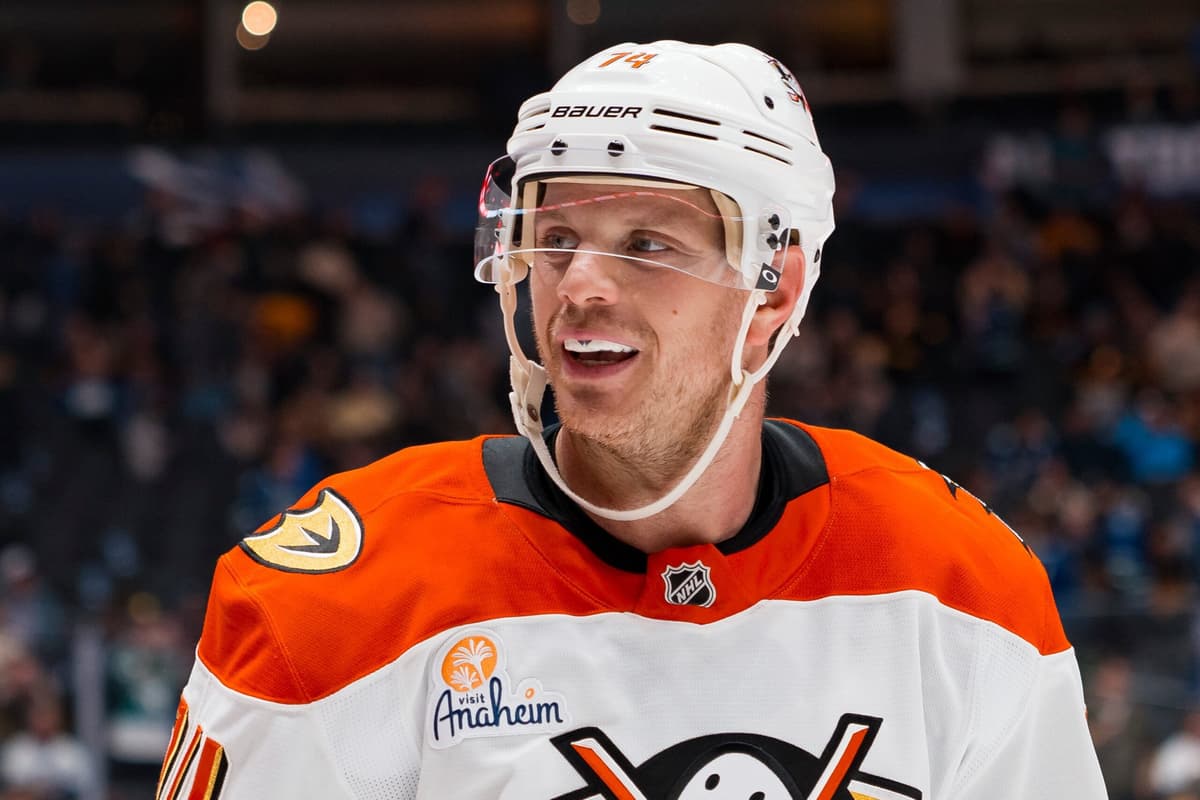
The Carolina Hurricanes didn't wait long after hoisting the Stanley Cup to make their next move. On Saturday during the NHL Draft, GM Eric Tulsky acquired the rights to pending unrestricted free agent John Carlson from Anaheim for a sixth-round pick and prospect Kyle Masters. Carlson, a 36-year-old who spent this past season as a rental with the Ducks before they exited in the second round, now has until July 1 to decide whether to enter the open market or sign with the reigning champs. The math is simple: Tulsky is betting that a veteran defenseman with one year of prime real estate left will accept a hometown discount to join a winner.
Carlson's preferences work in Carolina's favor. The Washington-area native has spent most of his career on the East Coast and spent the 2025-26 campaign chasing a Cup run in Anaheim. He didn't find one there. Now the Hurricanes are dangling exactly what he couldn't secure in Orange County: a legitimate championship core, fresh momentum, and the organizational buy-in that comes with winning it all. That's a powerful negotiating position for a team that just proved it can execute at the highest level. The cost to acquire his negotiating rights—a mid-round pick and a prospect—is trivial in the context of pursuing depth on the back end.
What makes this move noteworthy for roster construction is what it signals about Carolina's defensive strategy going forward. Acquiring Carlson suggests Tulsky is not banking entirely on youth to anchor the blue line; instead, he's layering in veteran stability alongside younger assets. If Carlson signs, the Hurricanes add a defenseman who can still log 20+ minutes in a playoff run while freeing up younger blueliners to develop without carrying a full playoff load. His presence alone—if he agrees to terms—reduces the minutes distribution burden on Carolina's emerging core.
For bettors, the Carlson signing carries indirect implications for Carolina's team total and spread outlook. A fully healthy, deep defensive roster that includes an established 36-year-old veteran lowers expected goals against per game and tightens late-game margins. The Hurricanes' goaltending tandem (Andersen and whomever backs him up) will benefit from cleaner defensive assignments and fewer high-danger chances. This isn't a flashy angle, but it's a structural one: if Carlson signs before July 1, lean Carolina team totals and goals-against props lower slightly as the market reprices their depth. The signing itself won't move the needle dramatically, but it confirms that Tulsky is stacking the deck defensively rather than pivoting the roster into a different shape. Expect Carolina's preseason odds and team props to reflect a more conservative, defensively-anchored identity than a pure offensive pivot would suggest.