Capitals GM Signals Cap Flexibility for Ovechkin Return—Aging Star Weighs Final Contract
By Justin Erickson ·
Washington's aggressive offseason spending doesn't preclude bringing back its 41-year-old captain, and the salary structure is there if Ovechkin wants to stay.
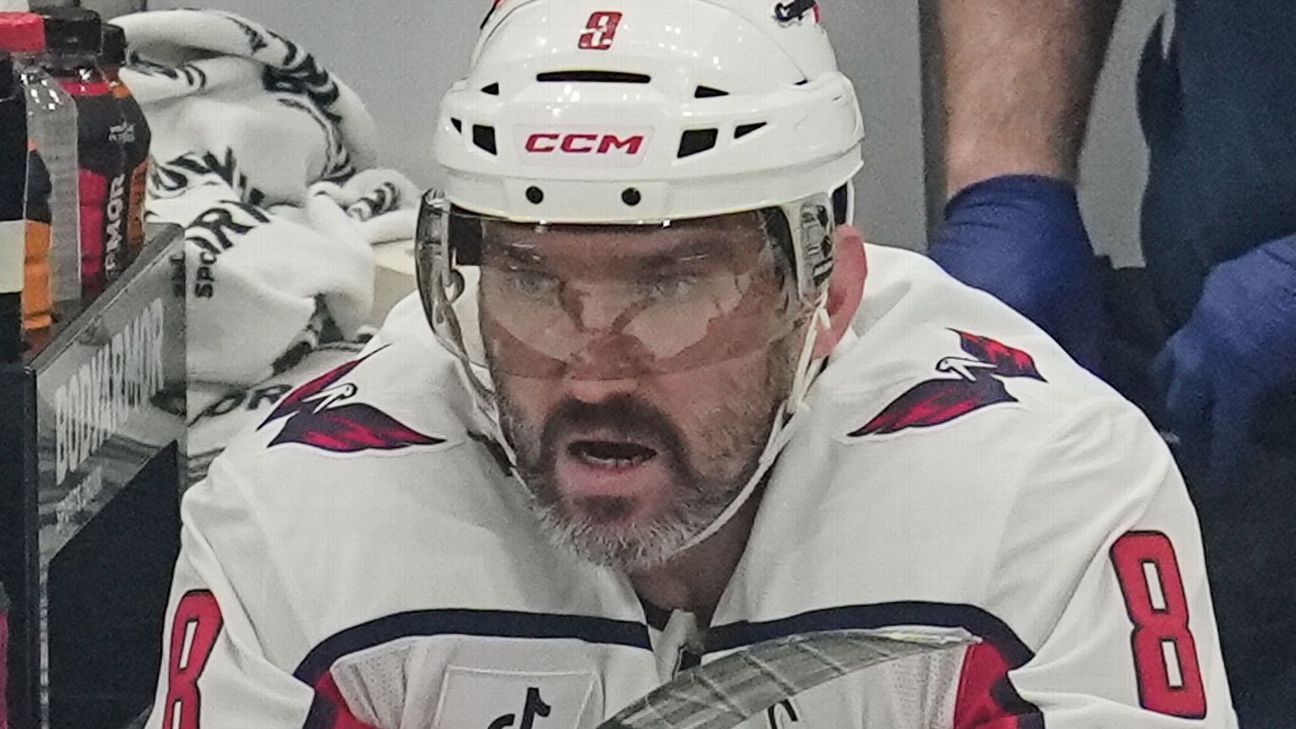
Washington general manager Chris Patrick confirmed Wednesday that the Capitals retain both salary cap room and roster flexibility to retain Alex Ovechkin, despite an active trade-and-free-agency window that added Jordan Kyrou, Alex Tuch, Boone Jenner, Jonny Brodzinski, Justin Holl, and Vincent Desharnais. The move addresses a persistent question hanging over the franchise: whether the acquisition spree signaled preparation for life after their 929-goal franchise cornerstone departed. Patrick's answer suggests the opposite—the additions are meant to convince Ovechkin the team is contending again after missing the playoffs last season.
Ovechkin, who turns 41 in September, remains an unrestricted free agent and has publicly centered his decision on two factors: his physical condition and whether the roster is now constructed to win. That framing matters. At 40, he scored 42 goals in 69 games last season despite Washington's collapse, a 0.61 goals-per-game rate that stands above his career average. His injury history is clean. The conversation isn't about decline—it's about organizational direction. Patrick's recruitment effort, amplified by adding legitimate top-six talent, is the team's argument that the window remains viable.
The salary mechanism is critical to his potential return. Under NHL CBA rules, players 35 and older signing one-year deals are eligible for bonus-intensive contracts that allow clubs to frontload cash while managing against the salary cap long-term. Patrick cited Evgeni Malkin's recent Pittsburgh structure—$2.5M base, $3M signing bonus, $3.5M in performance incentives—as a precedent. Washington has $4.375 million in open cap space, enough to layer a similar arrangement around Ovechkin's age-related premium. The flexibility exists if Ovechkin signals intent. The real constraint isn't money; it's his health assessment and whether one more run justifies the physical toll.
For bettors, Ovechkin's status carries downstream implications for the Capitals' forward lineup and goal distribution. If he stays, his ice time and touches remain non-negotiable—he finished last season fourth on the team in average time-on-ice despite the team's poor record, evidence of his leverage and usage immunity. His return also affects goal-scorer props and team totals. Washington is currently constructed as a potential playoff contender; Ovechkin's presence as a 40+ goal scorer (he's hit that mark nine times) shifts the team total upward and raises the probability of deep postseason scoring. Conversely, his absence creates a $4-6M hole in goal-scoring talent that no internal replacement addresses cleanly. The market hasn't fully priced the variance between a Capitals team with Ovechkin scoring 40+ and one without him. Patrick's statement clarifies that management, at least, is building as if he stays.