Brossoit's Anaheim Audition: A Depth Gamble on Fringe Goalie Economics
By Justin Erickson ·
The Ducks bet $1.1M on a journeyman backup with sub-900 save percentage credentials, signaling neither confidence in current depth nor readiness for meaningful net competition.
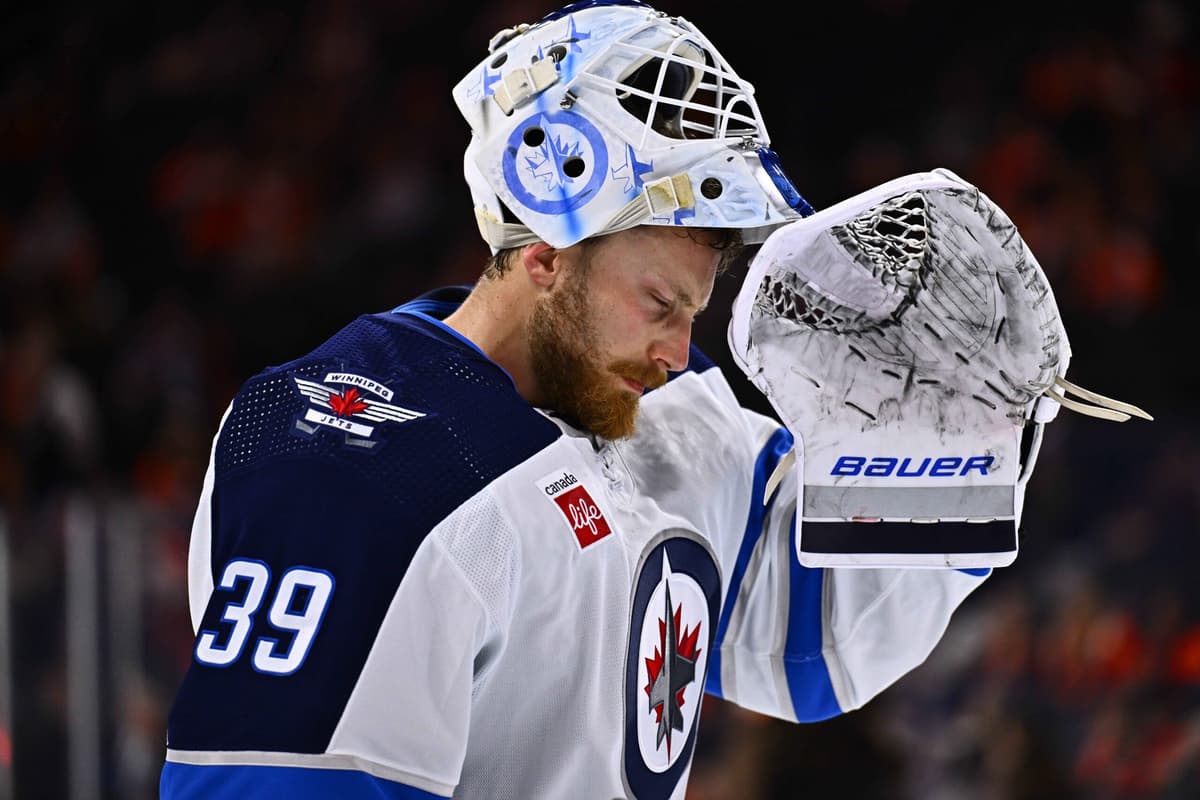
Anaheim signed goaltender Laurent Brossoit to a one-year, $1.1 million contract on Wednesday, the organization's latest depth move in what has become a summer of careful roster gardening. Brossoit, 33, posted a .901 save percentage and 2.97 goals-against average across 22 AHL games last season, splitting time between Rockford and San Jose after Chicago traded him to the Sharks mid-season in January.
The contract structure itself tells the story: a one-year pact at a modest cap hit signals Anaheim views Brossoit as organizational depth, not a legitimate NHL backup-in-waiting. His AHL numbers don't project convincingly to the show. A .901 SV% is below league average even at the minor-league level; his 2.97 GAA reflects the type of play you'd expect from a third-string capable of spot starts but little else. At 33, Brossoit offers organizational stability and veteran familiarity with multiple systems, but not upside. The Ducks are banking on the known quantity—reliability within limited minutes—over developmental upside.
Where this matters for prop tracking: Anaheim's goalie situation remains in flux. If John Gibson regresses, injuries strike, or the team needs to cycle a backup through heavy volume, Brossoit becomes the fallback option. His .901 SV% would drag down team save-percentage totals and inflate goals-against figures relative to expectation. A season where Brossoit sees meaningful ice time (15+ starts) correlates directly with defensive breakdowns or injury cascades elsewhere. For bettors, that's a leading indicator of offensive opportunity: unders on team goals-against totals lose value when Brossoit reaches starter-relief volume.
The signing also reflects what the Ducks have NOT done: they have not upgraded their backup pipeline with high-conviction talent. A $1.1M depth signing suggests incremental cost-management, not competitive investment. If Gibson stays healthy, Brossoit never impacts a game outcome. If he does see work, it's because something has failed ahead of him. The propositional edge here is defensive: teams that sign aging backup goalies with below-average peripherals are often masking depth weakness, not solving it. Unders bettors should view this as an orange flag, not a solution.