NHL · transaction
Devils Lock Gritsyuk Before Market Correction: A $3.25M Bet on Youth Efficiency
New Jersey secured its cost-controlled rookie on a long-term deal before his breakout season pricing inflates him off the roster.
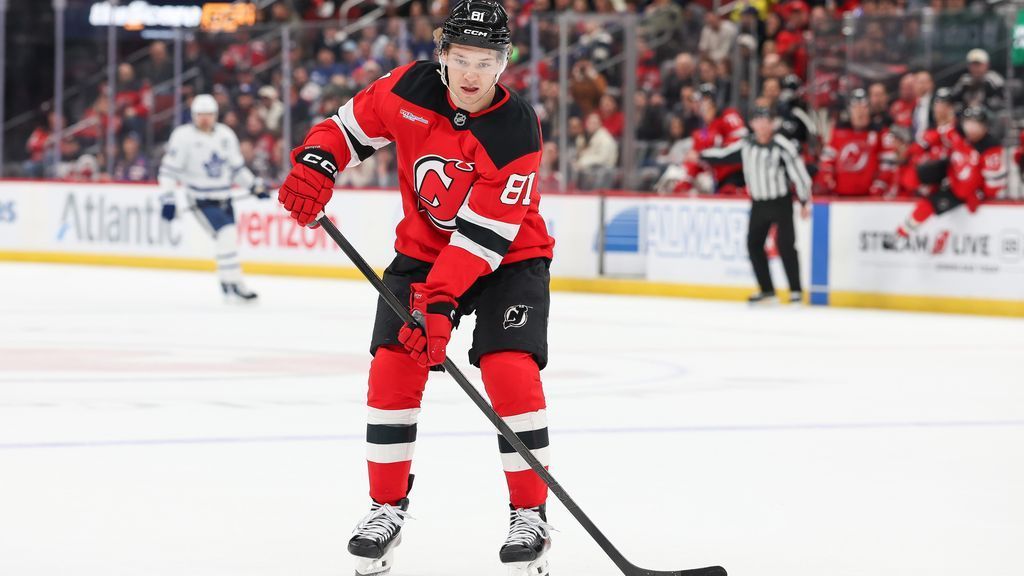
The New Jersey Devils signed restricted free agent Arseny Gritsyuk to a three-year extension carrying $3.25 million average annual value, anchoring one of last season's most efficient newcomers before the market could price him out. The 25-year-old winger posted 31 points (13 goals, 18 assists) across 66 regular-season games in his NHL debut, averaging 15:10 of ice time and firing 149 shots—sixth among Devils forwards. That output on a third-line workload and modest usage rate signals meaningful room for production growth.
Gritsyuk's path to Newark was unconventional. He spent parts of five seasons in the KHL from 2020 through 2025, last appearing for St. Petersburg SKA before jumping to the NHL at age 24. The Devils selected him 129th overall in 2019—a mid-round pick who languished overseas long enough that scouts could easily dismiss him as organizational depth. His actual performance, however, tells a different story: a player who converted opportunities at an above-replacement rate despite limited offensive deployment and minimal power-play exposure. That's the signature of someone the organization identified as undervalued relative to deployment.
The salary-cap math is the real tell here. At $3.25 million AAV for three years, Gritsyuk locked in well below what even a modest second-line ascension would command on the open market. A 31-point rookie who maintains 15+ minutes per night and graduates to more consistent power-play work could easily project to 50+ points within the contract window. If that happens, his cap hit sits 40-50% below market. The Devils front office is essentially betting on exactly that trajectory—and paying him in advance as proof of confidence.
For bettors, Gritsyuk's locked-in status removes downside risk from the Devils' roster construction. A team investing three years and $9.75 million in a young forward doesn't park him in the press box; it develops him toward higher ice time and scoring responsibility. That means consistent volume plays on shots (he averaged 2.26 per game last season) and assists (his 18 on 31 points suggests 0.27 per game) are likely to trend upward as his role expands. Watch for increases in power-play minutes and third-line touches against top-four defenses—early-season games offer cleaner volume reads before playoff deployment obscures the pattern.
The contract itself is forward-looking insurance that removes ambiguity from New Jersey's youth core. No arbitration leverage, no July offers sheet risk, no negotiation theater in 2027 or 2028. That stability frees the front office to focus on other holes instead of re-litigating what a second-contract RFA already proved he earned.