Devils Load AHL Depth With White Signing; Expect Limited NHL Volume
By Ty Whitney ·
Colin White's two-way deal signals New Jersey is banking on AHL production to fill injury gaps, not competition for top-six minutes.
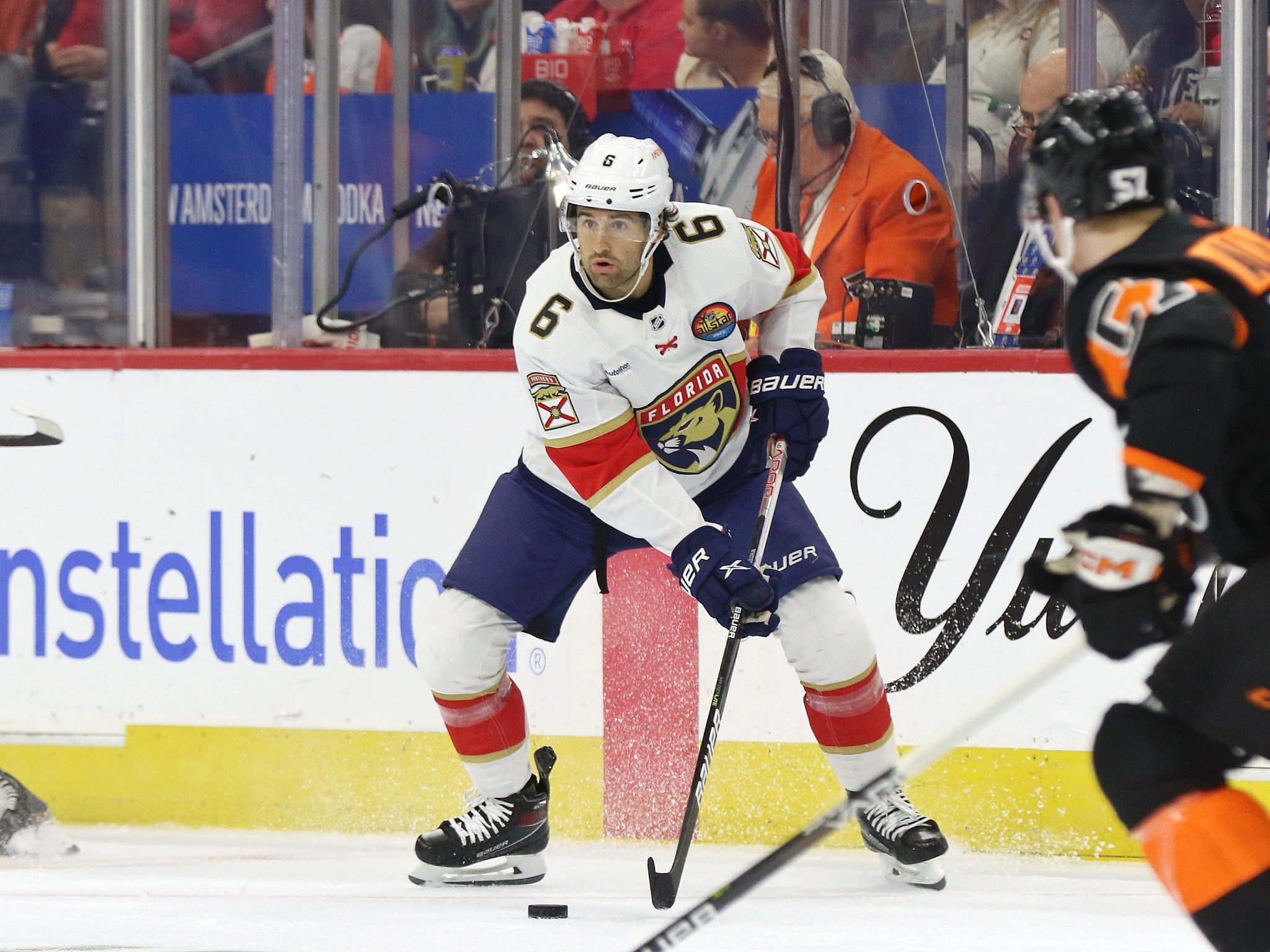
The New Jersey Devils signed forward Colin White to a one-year, two-way contract on July 30, anchoring a roster-depth strategy that prioritizes cap flexibility over immediate NHL impact. White's deal carries $900,000 at the NHL level and $400,000 in the AHL, marking another low-cost veteran addition under GM Sunny Mehta following the re-signing of defenseman Topias Vilen.
White's trajectory over the past four seasons—stints with Florida, Pittsburgh, Montreal, and San Jose—reads like a journeyman's carousel. The 2015 first-round pick (21st overall by Ottawa) managed just three games with the Sharks in 2024-25 after six seasons establishing himself as a middle-six option in Ottawa. His value now lives in the margins: last season with San Jose's AHL affiliate, the Barracuda, he posted 21 goals and 27 assists across 46 games, finishing second in team scoring with 48 points. That production is legitimate for depth depth-checking and power-play work at the AHL level, but it also illustrates why he's available on a two-way deal rather than commanding an NHL contract.
The Devils' framing is transparent. White is expected to debut with the Utica Comets and serve as injury insurance—the kind of veteran call-up option that fills a fourth-line slot when the roster gets thin. His two-way play and shot quality were cited as assets, but neither compensates for his inability to secure consistent NHL employment across multiple organizations. At 29 years old, this is a prove-it year masked as depth. If Utica sees him logging 20-plus minutes per night and filling primary AHL offensive roles, his path to regular NHL ice time remains blocked by younger options or injured players returning to form.
For prop bettors, White's presence on the roster creates a nested consideration: New Jersey's willingness to rely on AHL depth signals confidence in injury stability among current forwards, or conversely, heightened risk tolerance if the top six gets depleted. His personal prop volume—if called up—will be suppressed; two-way signings at this salary level rarely crack 10 minutes of ice time or generate 3+ shots per game in spot duty. The Devils are not betting on White as a contributor to team totals or individual shot outputs; they're betting on his absence, using his contract as insurance that sits dormant most nights.