Jim Rutherford Out as Canucks President: Vancouver's Rebuild Just Got More Complicated
By Justin Erickson ·
A leadership vacuum at the top of a last-place organization is exactly the kind of instability that bleeds into on-ice performance — and betting lines rarely price in front-office chaos correctly.
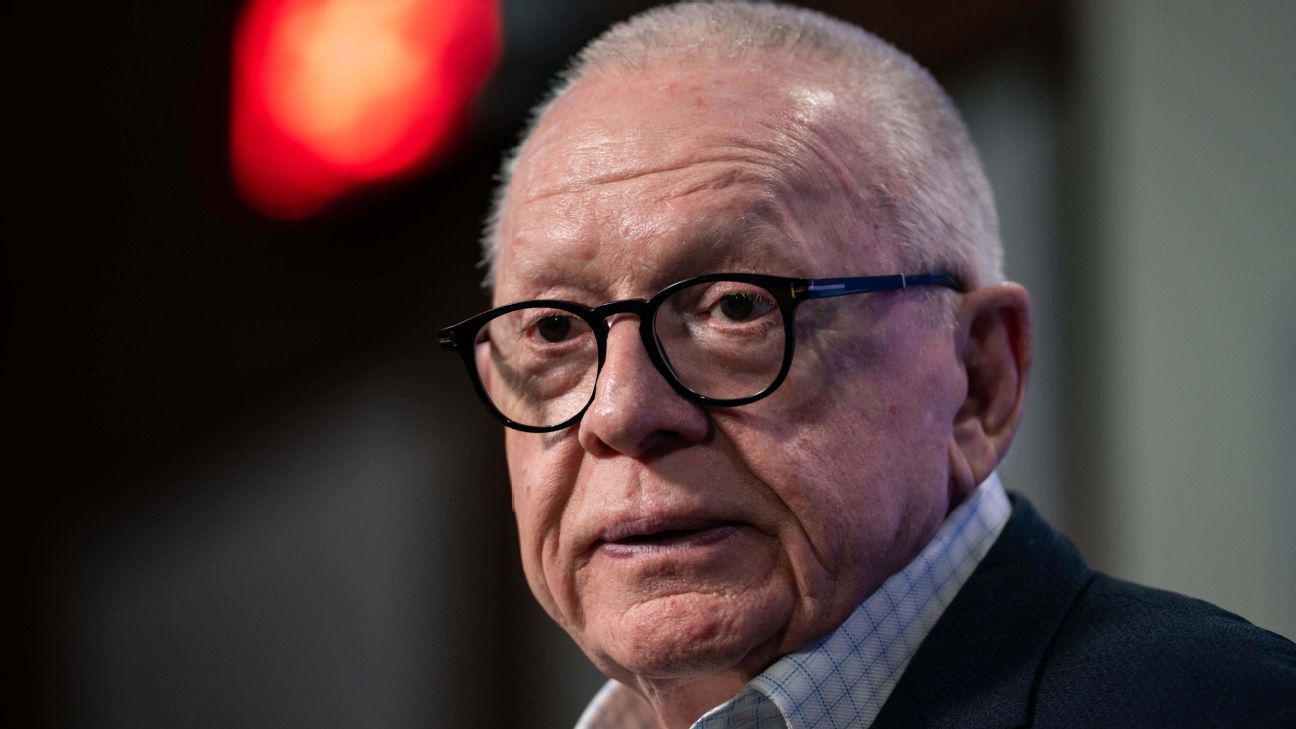
As ESPN reported, Jim Rutherford is stepping down as Vancouver's president of hockey operations following next month's NHL draft, capping a stunning organizational collapse for a team that won the Pacific Division not long ago. The 77-year-old Hockey Hall of Famer will stay on as an adviser and alternate governor, but his removal from day-to-day operations leaves the Canucks without a permanent GM or a clear chain of command heading into one of the most consequential offseasons in franchise history.
The numbers tell the story of how far Vancouver has fallen. A 25-49-8 record — last in the entire NHL — is not a one-bad-year anomaly; it's a structural failure. GM Patrik Allvin was fired April 17, the day after the Canucks closed their season with a 6-1 shellacking at the hands of Edmonton. Rutherford says more than 15 candidates have been considered for the GM vacancy and the field is down to five, with a hire expected within the week. Who that person is, and what authority structure surrounds them, will define Vancouver's competitive trajectory for the next half-decade.
Adding urgency — and a touch of bad luck — to the moment: the Canucks entered Tuesday's draft lottery as the odds-on favorite for the first overall pick and Gavin McKenna, the consensus top prospect. The balls didn't fall their way. Toronto claimed No. 1; Vancouver picks third. Rutherford called the draft class deep enough that No. 3 shouldn't be cause for panic, but losing the top pick while simultaneously restructuring your entire front office compresses an already tight timeline. Whoever takes the GM chair inherits a thin roster, a gutted culture, and a fanbase running low on patience.
From a betting perspective, front-office instability of this magnitude has a direct and measurable downstream effect on player performance lines. Rosters in flux — driven by incoming GMs eager to put their stamp on a team — mean more trades, more lineup shuffles, and more uncertainty around minutes and deployment. For Vancouver players carrying props in futures markets or early next-season lines, the risk premium is real. Shots-on-goal and points props for Canucks forwards are particularly vulnerable to repricing once the new GM's philosophy becomes clear; a defensively minded hire could suppress offensive zone deployment, dragging down shot volume across the top six. Conversely, a new voice in the room sometimes produces a short-term performance bounce as players audition for their roster spots.
The safest near-term lean is away from Vancouver individual player props until the GM hire is confirmed and a coaching structure is locked in. Team-total and spread lines for early 2026-27 preseason action will also lag the reality of what this roster actually is — sharp money will be watching the front-office news, not the box score, for the next 30 days. The Canucks are a franchise in genuine transition, and transition is where betting edges are born.