Canucks Depth Shuffle Won't Fix the Structural Problem
By Justin Erickson ·
Vancouver's quiet offseason moves signal organizational stability, but the real issue lies beneath the scoring line—and it will show up in November when the roster tightens.
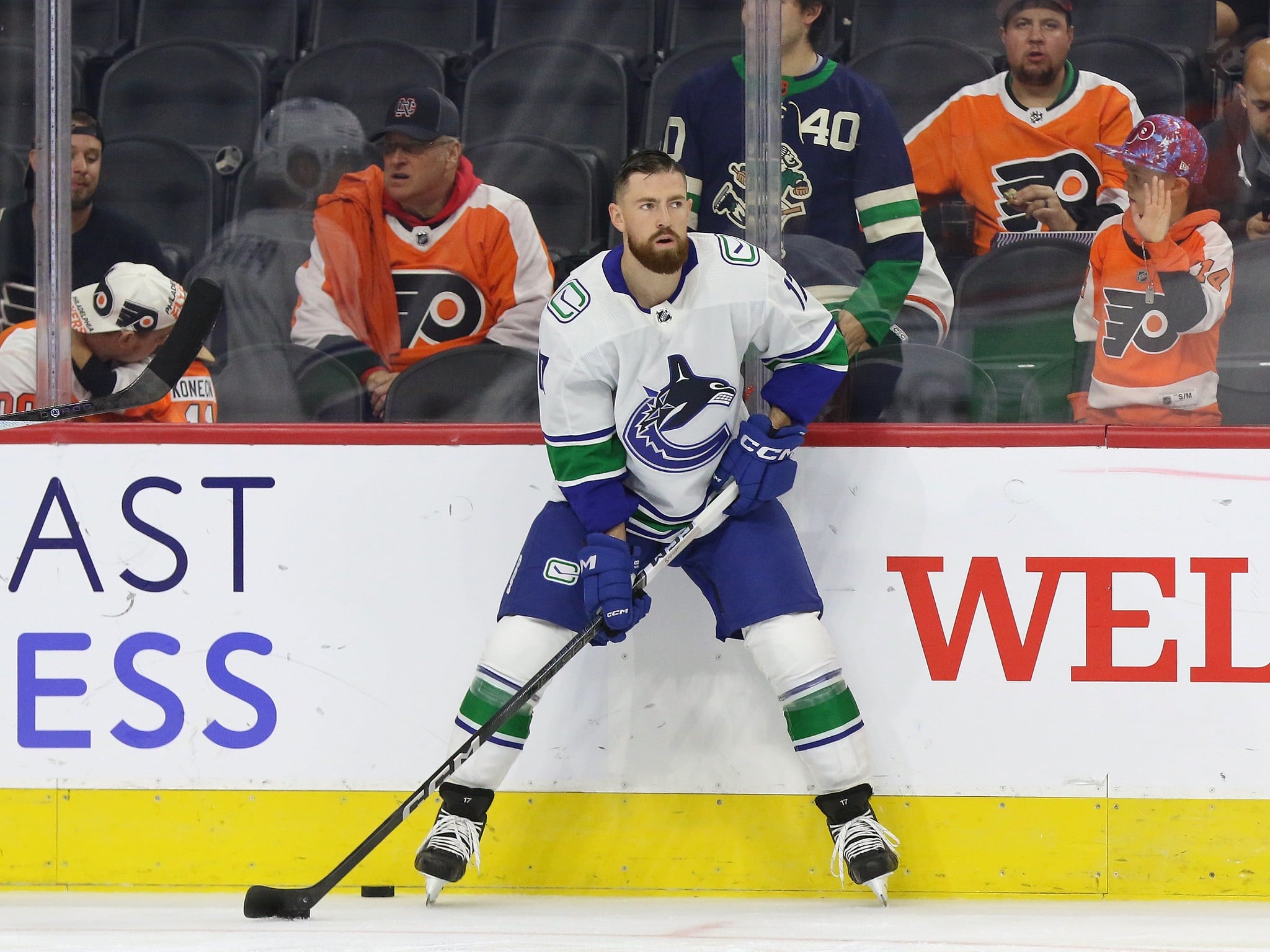
The Vancouver Canucks added two depth pieces this week: Jack Thompson, a two-way defenseman who moves from the AHL to organizational depth after 34 career NHL games, and Ilya Safonov, a KHL-developed forward arriving on a one-year, $950K contract. Both signings follow the same low-risk, internal-competition calculus that characterizes NHL roster-building in June. Neither moves the needle on the surface. But the real story isn't what the Canucks signed—it's what their scoring profile reveals about how the team actually works.
Vancouver's top five offensive producers from last season—Elias Pettersson, Filip Hronek, Brock Boeser, Jake DeBrusk, and Linus Karlsson—all posted middling individual numbers that nonetheless added up to functional forward depth and a defenseman playing heavy minutes. Pettersson hit 51 points in what the market deemed a down season. Hronek nearly reached 50 from the blue line. Boeser and DeBrusk combined for over 40 goals. On paper, that's productive. On film, it tells a different story. The issue isn't talent scarcity—it's structural inefficiency. Pettersson, the best player in the lineup, operated in isolation too often. Hronek carried play from the back but couldn't drive consistent offensive outcomes through the layers in front of him. Boeser and DeBrusk found goal-scoring opportunities through volume and opportunism rather than systematic play-driving. That's a team winning individual matchups and losing architectural ones.
Thompson and Safonov won't address this. Thompson slots into Abbotsford as organizational depth, becoming a call-up option if the injury carousel spins—a November consideration, not a July revelation. Safonov gets a training camp audition and will likely occupy a bottom-six utility role if he sticks at all. Neither is asked to solve the Canucks' actual problem: converting talent into sustained offensive pressure. What matters is whether management recognizes the gap between individual scoring and team structure. If they don't, offseason additions become liability masks rather than solutions.
For prop players, this structural issue carries a betting edge. Pettersson's assists matter more than his goal totals this season—because assists correlate more directly to efficient play design than goal-per-game volatility. When a team's scoring leaders are posting middling totals despite individual talent, the edge lies in backing the facilitators and fading the volume plays. Pettersson's assist line, measured against last season's 32 assists in 82 games (0.39 per game), is likely underpriced if market makers assume linear regression to his 51-point season. Instead, watch whether the Canucks' system actually improves. If structure remains choppy, Pettersson's assist rate stays suppressed despite high ice time—meaning his points-per-game floor is lower than his scoring-line would suggest, because goals become harder to come by when plays don't chain together. That's a multi-week fade, not a single-game spike.
The depth signings matter in November, when depth actually plays. Until then, they're organizational housekeeping. The real test is whether Pettersson, Hronek, and company operate in a smarter system next season or whether Vancouver simply cycles through the same structural friction with a refreshed AHL supporting cast.