NHL · transaction
Vancouver's Captaincy Void Is a Depth Question in Disguise
The Canucks have spent six months without a captain since trading Quinn Hughes, and the choice of successor reveals more about their rebuild timeline than any single roster move.
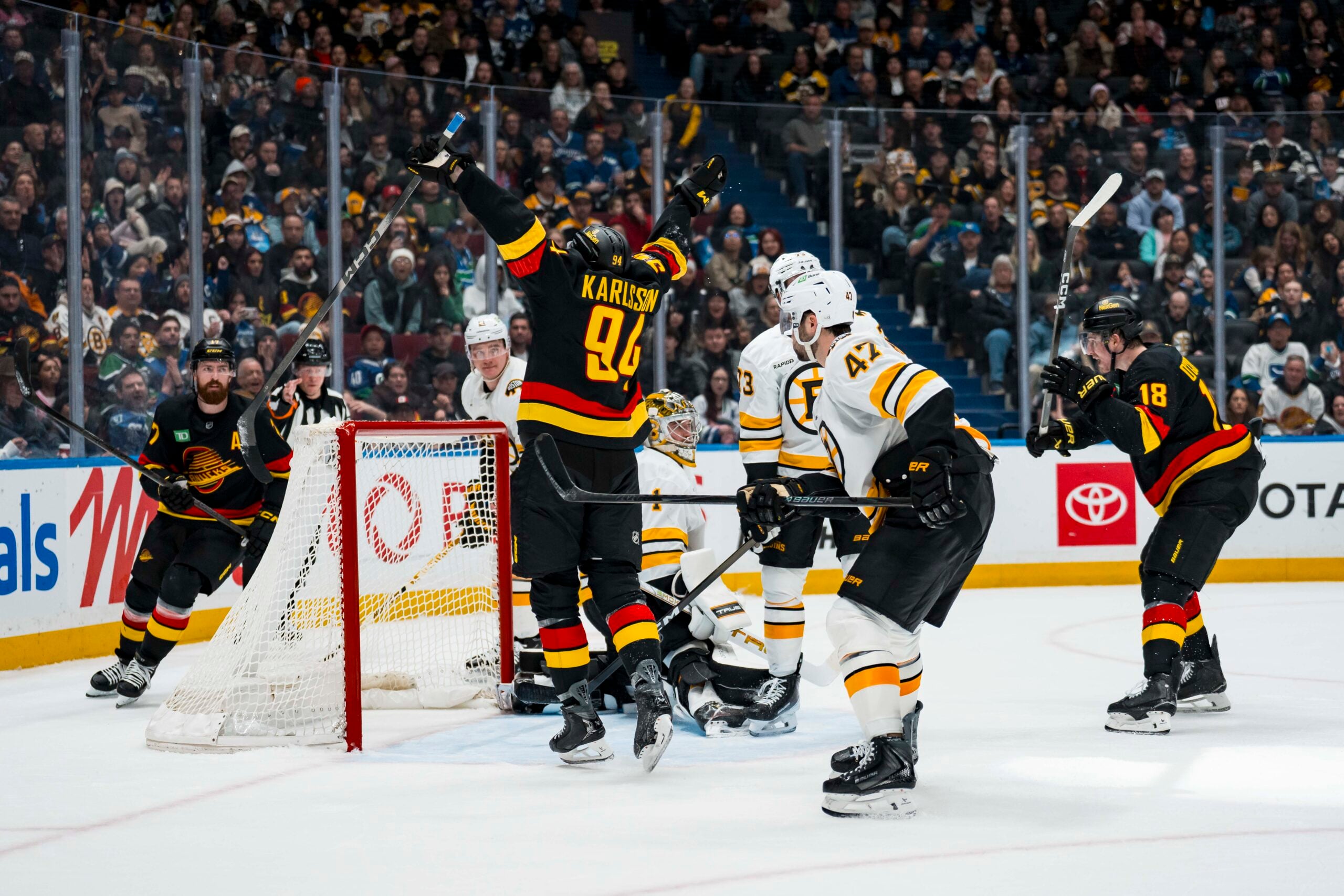
The Vancouver Canucks traded away their captain in early January 2026, and the organizational silence since has been deafening. Six months into a captaincy vacuum, the team faces a decision that looks simple on the surface—name a new captain before the 2026-27 season—but touches on a deeper tension: whether this team is ready to declare a leader, or whether its current roster composition demands a different approach to authority.
Filip Hronek appears the obvious candidate. He already wears an alternate captain's letter, logs heavy ice time on the blue line, and management has flagged him as part of the long-term spine. But leadership in Vancouver carries a public weight that not every player welcomes, especially one still settling into his role with a franchise in transition. Elias Pettersson presents a more complicated case. He holds an alternate captain's letter but has endured a difficult stretch that raises a tactical question: does removing responsibility help him refocus on performance, or does any diminishment of status trigger the exact narrative spiral the organization wants to avoid? In a market like Vancouver, even well-intentioned burden-lightening can be read as criticism.
The Canucks may be considering a third path—distributing leadership across multiple players rather than concentrating it. Luke Schenn and Brendan Gallagher were brought in specifically for veteran experience and proven letter-wearing credentials. Both have navigated the demands of leadership in established organizations. If management is genuinely exploring a co-leadership model, it suggests they view this team as still constructing its identity. A team confident in its core typically coalesces around a single voice; one diffusing authority across a group of veterans signals an interim phase.
The longer lens belongs to Zeev Buium, a young defenseman who showed command late last season. The organization appears committed to developing him as a future voice rather than forcing him into an immediate role. This sequencing—letting him grow while filling the present with proven veterans—is itself data. It tells you the Canucks don't expect their current lineup to be their final form, which affects how you should model their performance trajectory. Teams in flux often show high variance: they'll beat good opponents and lose to weak ones because internal communication and trust are still being built. For bettors tracking Vancouver props, this organizational uncertainty translates into increased volatility on team totals and spreads. When leadership structure is unresolved, team-level consistency suffers. Single-game totals should carry a wider confidence interval than a team with a stable power structure, making both overs and unders riskier at tight numbers. The Canucks will likely produce stretches of sharp play and stretches of disconnection as they sort themselves out.