MacKinnon Plays Through Game 3 Injury; Wedgewood's Confidence Masks a Real Durability Risk
By Justin Erickson ·
Nathan MacKinnon blocked a shot and limped through the Avalanche's loss to Vegas, but his determination to return carries major implications for Colorado's prop market and series outlook.
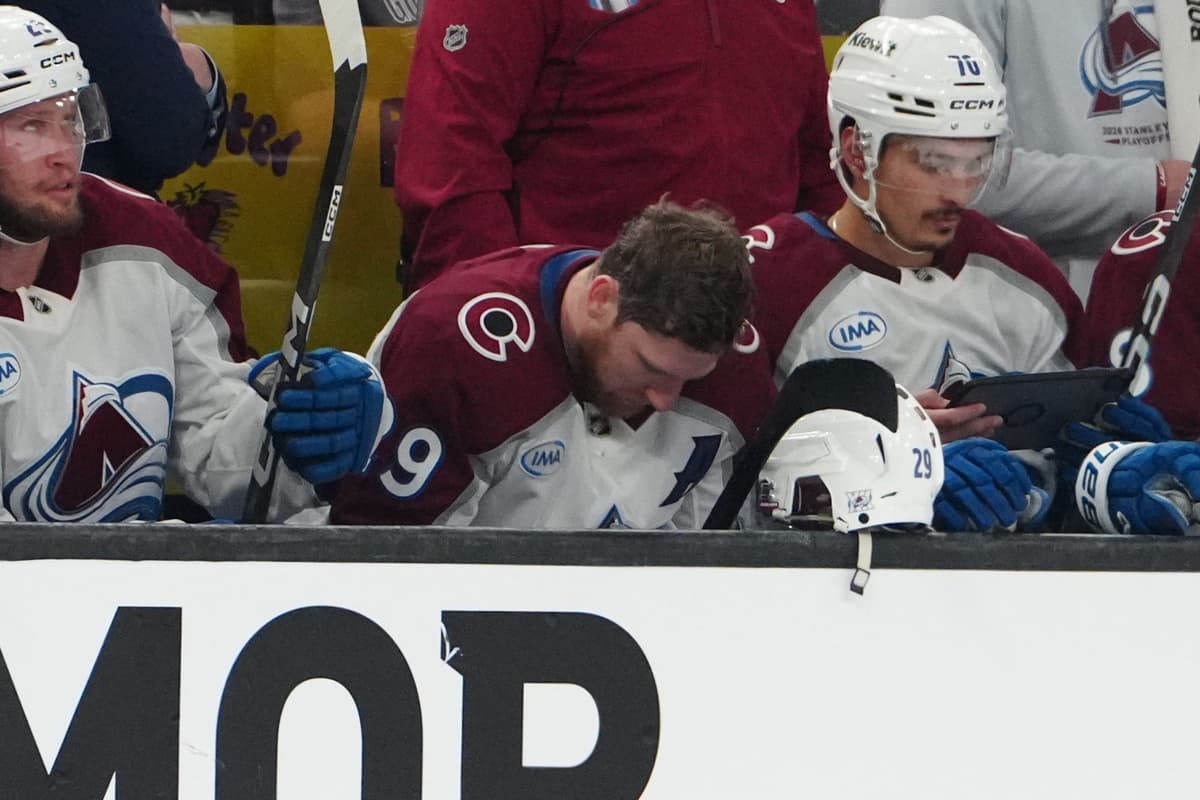
Nathan MacKinnon took a shot to the body in Game 3 of the Western Conference Final and visibly slowed on the ice, but the Hart Trophy finalist returned to finish the game despite clear pain. Scott Wedgewood's post-game observation—that you'd have to "kill him to get him off the ice"—wasn't admiration theater; it was a statement of fact about a player willing to absorb damage in a playoff series Colorado is losing.
The injury mechanism matters here. Blocked shots, particularly ones that land on the torso or leg, don't always show up on team injury reports if the player returns to ice the same night. But they create two layers of risk: immediate pain tolerance that can suppress offensive output, and cumulative damage that compounds over a seven-game series. MacKinnon's willingness to stay in the game doesn't erase the physical toll; it just delays the accounting.
Colorado's Game 3 loss moved Vegas up 2-1 in the series. The Avalanche survived the injury occurrence itself, but what comes next—Games 4 and 5—will reveal whether MacKinnon's durability holds or whether the damage accelerates. A player nursing a mid-body injury typically sees his assist and points volume dip measurably. MacKinnon's season average sits around 1.1 points per game in the playoffs; expect that line to compress if pain restricts his mobility or pain management limits his ice time allocation.
From a betting standpoint, the market will price MacKinnon props assuming he plays, because he played through Game 3. But the real edge emerges in the gap between his baseline averages and what a compromised version can actually produce. His assists total and points line remain calibrated to a healthy MacKinnon, yet each shift forward now carries mechanical friction. Vegas Golden Knights defenders will also test the injury in Game 4—expect more physical play directed at his midsection.
The durability question isn't whether MacKinnon returns (he will); it's whether Colorado can afford his diminished production rate if the series extends. If Vegas takes Game 4 and forces a Game 5 at home, MacKinnon's pain tolerance becomes a series-defining variable that books haven't fully repriced yet. Early-night prop lines on his assists or points totals, posted before any injury designation clarification, carry concealed edge.