Avalanche Lock In Defensive Depth: Burns Back on Discount, Kulak Set Long-Term
By Justin Erickson ·
Colorado's one-day signing spree shores up the blue line without taxing salary cap flexibility heading into a competitive window.
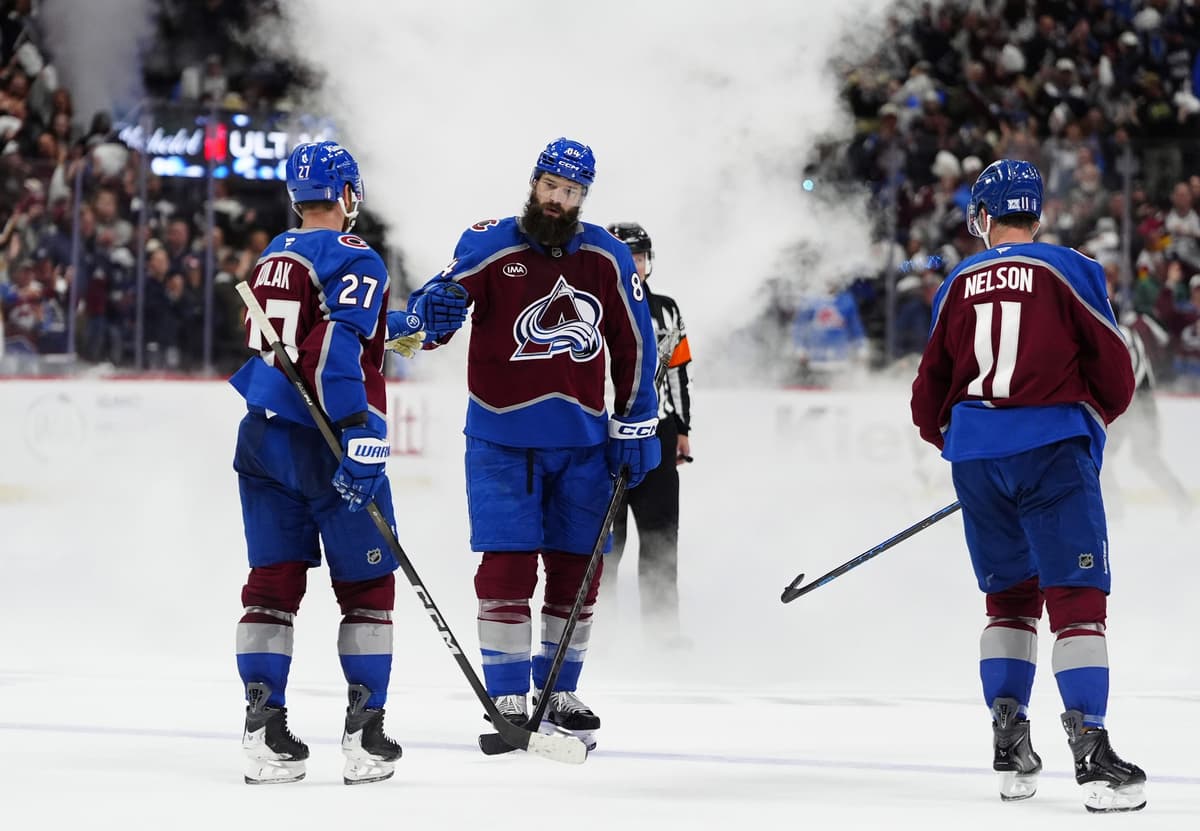
The Colorado Avalanche announced Friday that they've extended defensemen Brent Burns and Brett Kulak, securing two key pieces of their back-end rotation on terms that favor organizational depth over star pricing. Burns signed a one-year deal worth $850,000 plus performance bonuses—a veteran minimum floor with upside kickers—while Kulak locked in a five-year extension at $4.5 million annually.
Burns' contract structure is the more telling move. At 38 years old, the veteran defenseman accepted a prove-it deal that keeps him tied to Colorado without long-term liability. The incentive structure suggests the Avalanche view him as a depth piece with special-teams potential rather than a core pillar; if he doesn't produce at a premium level, the cap hit stays minimal. Kulak's five-year commitment at $4.5M AAV positions him as the organization's mid-pairing anchor—not a No. 1 defenseman, but a stable, durable piece that won't demand market rate for his tier.
These signings carry real leverage implications. By locking in both defenders on manageable money, Colorado freed cap space for higher-priority negotiations or trade targets elsewhere on the roster. The market will read this as organizational confidence in their defensive skeleton, which can influence how opposing teams value blocked shots and possession metrics from this blue line.
For prop bettors, the strategic signal is clearer than the individual numbers. Kulak's five-year deal at $4.5M suggests the Avalanche believe his shot-blocking rate and plus-minus profile justify long-term commitment—a team-wide valuation that typically precedes improved defensive metrics. Burns' one-year incentive structure means he has motivation to spike in secondary categories (blocked shots, hits) to pad his next deal, but limited runway to rebuild equity if he underperforms early. Watch Kulak's blocked shots and assists volume early in the 2026-27 season; teams don't extend mid-pairing defensemen unless they expect consistent output. Burns is a higher-variance play—hot early games could inflate his props, but the incentive structure compresses upside over 82 games.