Houston's Offensive Overhaul Sets Up Stroud Bounce-Back; Super Bowl Odds Overcorrect
By Justin Erickson ·
The Texans added Montgomery and rebuilt their line to keep Stroud upright and on schedule—a tempo advantage that pairs with an elite defense to justify betting them at 18-1.
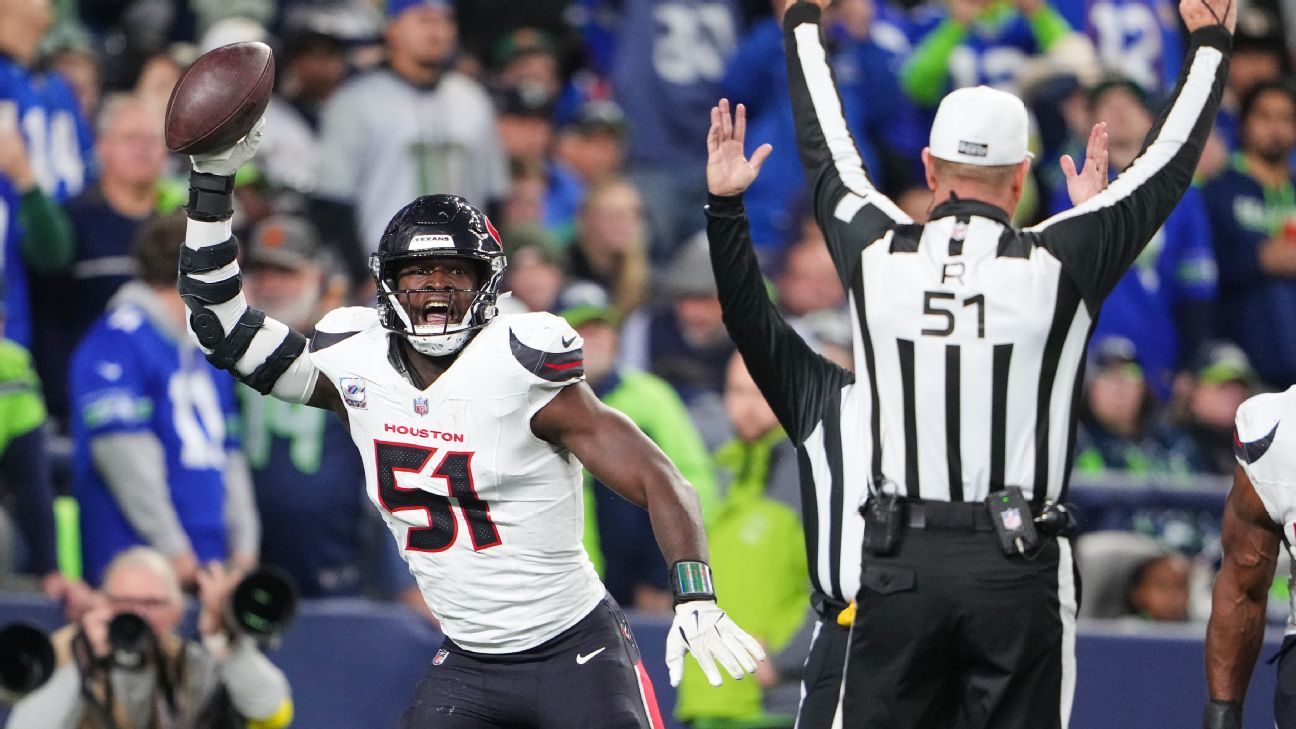
Houston won 12 of its final 14 games in 2025 to reach the playoffs after an 0-3 start, a turnaround that landed them as AFC South favorites heading into 2026. The late-season charge—which included wins as underdogs against Buffalo, Kansas City, and Indianapolis—proved the roster had the foundational pieces in place. But the offense sputtered early in the year, and C.J. Stroud's production dipped relative to his rookie form. That pressure is gone now.
The Texans spent the offseason addressing the problem directly. They rebuilt their offensive line and acquired running back David Montgomery, a 230-pound downhill runner with 1,000-yard experience. This isn't a luxury pickup; it's a structural choice. Montgomery and an upgraded front five allow Houston to impose will on the ground, control line of scrimmage, and dictate tempo. When an offense stays ahead of the down marker and leans on the run game, its quarterback operates from a clean pocket with pre-snap reads that match the coverage. Stroud faces fewer third-and-longs, fewer exotic blitzes, fewer off-schedule moments. The system mirrors Stefford's scheme—balanced run-pass looks that create natural play-action windows and vertical opportunities when defenses respect the ground game.
Meanwhile, the defense remains nasty. Houston allowed just 17.4 points per game in 2025, second fewest in football. Will Anderson Jr. rushes the passer at an elite rate, the secondary sticks in coverage, and the safeties have range. A defense that sharp can win close games and erase mistake margin. When paired with an offense that controls tempo and doesn't shoot itself in the foot with penalties or three-and-outs, you have a team built to win in January.
The betting market has Houston at 18-1 to win the Super Bowl, a line that assumes regression to around 9.5 wins for the season. Mike Clay's projection lands exactly there. But the mechanism here isn't regression—it's a fundamental improvement to offensive efficiency. An upgraded line and a power runner don't just improve win totals incrementally; they reduce variance in Stroud's performance by limiting the bad games caused by pressure and poor field position. A QB operating from clean pockets against favorable down-and-distance splits throws fewer interceptions, fewer backbreaking incompletions, and hits more vertical shots when they appear. The 18-1 price assumes the 2025 offense repeats; it doesn't account for the structural advantage Montgomery and line construction provide. That's the edge.