Robinson and Gibbs Hold Out as Running Back Market Braces for Reset
By Justin Erickson ·
Two Pro Bowl backs sit out training camp seeking deals that could reshape NFL offensive economics.
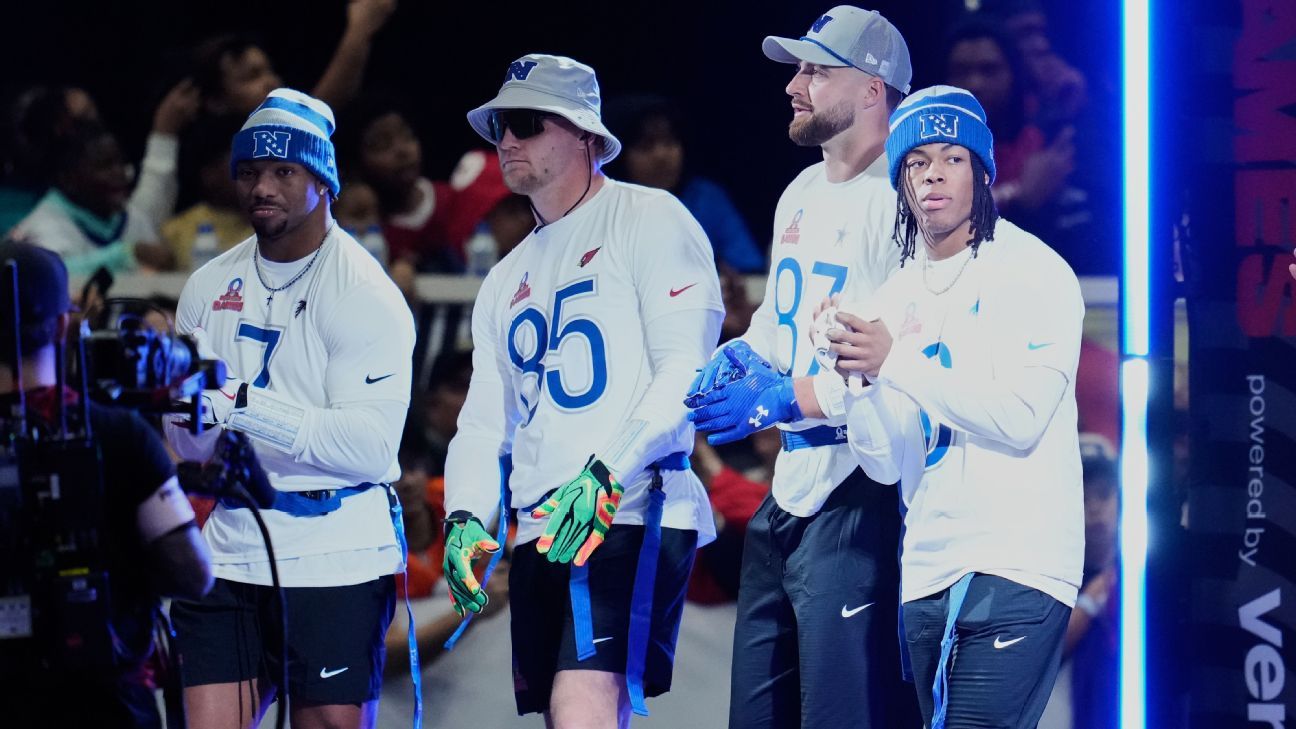
Bijan Robinson and Jahmyr Gibbs did not take the field Wednesday as the Falcons and Lions opened training camp, both players refusing to practice while negotiating long-term extensions. The absences mark an escalation in contract discussions that have been ongoing since the offseason. Both teams exercised the fifth-year options on their respective running backs' rookie deals, locking them through 2027, but Robinson and Gibbs are intent on securing market-resetting agreements before the 2026 season begins.
The leverage is stark. Robinson led the NFL in rushing yards last season with 1,478 and set a Falcons franchise record with 2,298 scrimmage yards. He's been a two-time Pro Bowl selection and first-team All-Pro after accumulating 5,648 all-purpose yards and 34 total touchdowns in three seasons. Gibbs, meanwhile, has earned Pro Bowl honors in all three of his NFL seasons, posting 5,029 yards from scrimmage and 49 total touchdowns while operating as both an elite runner and receiver. Neither player is a marginal talent negotiating from weakness—both are among the league's ten best at their position. Saquon Barkley's contract with Philadelphia, worth $20.6 million annually, sets the ceiling for the positional market. Robinson and Gibbs are positioned to exceed that number, potentially by a significant margin.
The hold-outs will have immediate prop consequences. Robinson's snap-share and target allocation in Atlanta may fluctuate depending on when (or if) he reaches an agreement before the season opener. Teams preparing for the Falcons will have incomplete film on offensive touch distribution if Robinson remains sidelined during the preseason. Similarly, Gibbs' participation in Lions practice limits the offensive coordinator's ability to script his usage patterns for Week 1. Oddsmakers will need to make assumptions about both backs' conditioning and depth-chart certainty when setting their season-long props.
The prop angles hinge on resolution timing and the quality of ramp-up each back receives. If Robinson or Gibbs signs before the preseason kicks into full swing, their season-long receiving yards, rushing yards, and touchdown props will anchor to normal projection curves—the hold-out becomes a footnote. But if either player sits past the first or second preseason game, sportsbooks will apply a penalty to their early-week prop lines due to injury risk and lack of game reps. Receiving props are especially sensitive; a back who misses practice tends to see target share dip in Week 1 even after signing. Robinson's receiving yards line and anytime touchdown odds warrant closer inspection if his hold-out extends past the first two weeks of August. For Gibbs, his season-long reception total could face downward pressure if the Lions refuse to meet his demands and he enters Week 1 underprepared.