Bengals Push $10M of Burrow's Cap Hit Into Future—a Mortgage on 2026 Urgency
By Justin Erickson ·
Cincinnati restructured its franchise quarterback's deal to fund a Dexter Lawrence trade, signaling desperation to compete now and raising injury-risk questions on Burrow's 2026 workload.
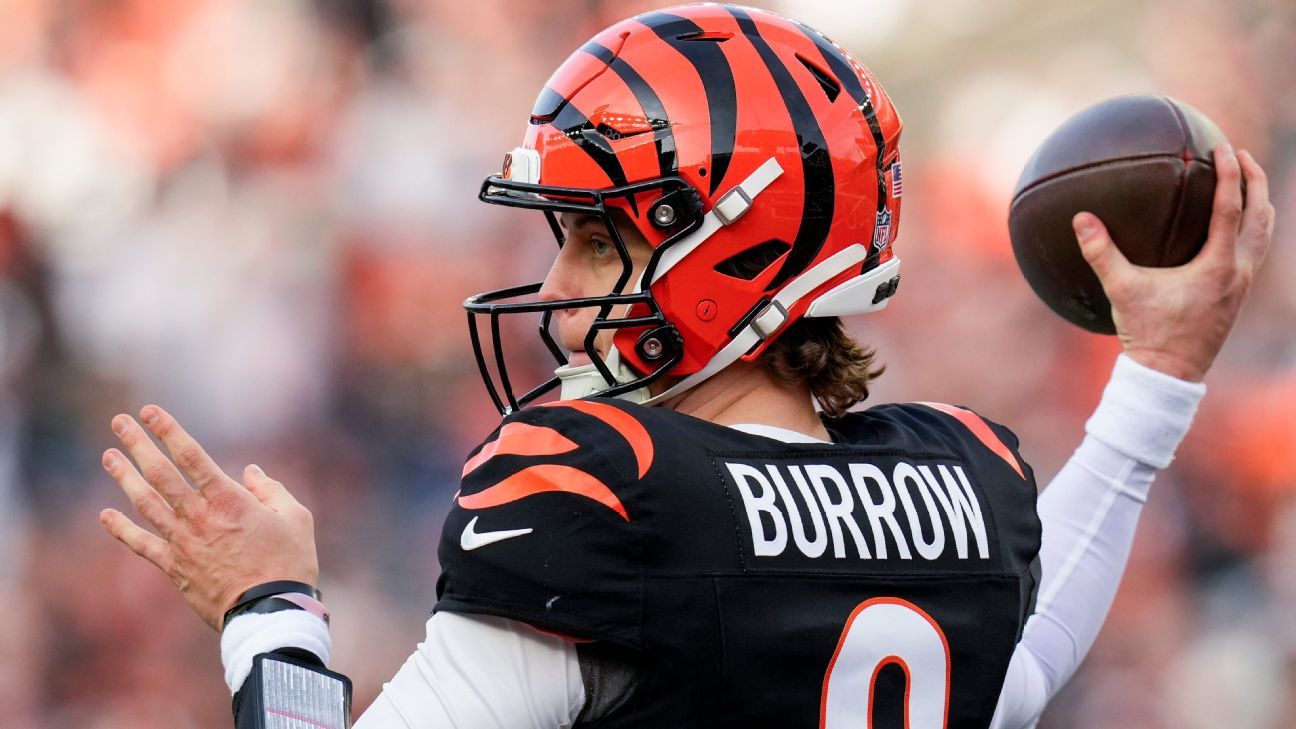
The Cincinnati Bengals restructured Joe Burrow's contract on Tuesday, converting $10 million of his base salary into a signing bonus to create breathing room under the cap. The move was tactical necessity: before the restructure, the team sat at just $7.1 million in effective cap space after dealing the 10th overall pick to New York for defensive tackle Dexter Lawrence II. By shifting money forward into future years, the Bengals bought immediate flexibility—though they left $9.2 million on the table, the maximum available from the deal.
This isn't routine contract housekeeping. Duke Tobin, Cincinnati's de facto general manager, acknowledged in April that the front office had "layered in challenges" but was willing to absorb them for roster talent. The Burrow restructure is the price tag for that ambition. The quarterback signed a $275 million extension in 2023 with back-loaded compensation; that structure gave the Bengals room to maneuver in lean cap years, but only if they were willing to punt money into 2027 and 2028. Tuesday's restructure confirms they're burning that flexibility now. The organization is signaling that 2026 is not a "build" year—it's a "win" year, consequences deferred.
The context here matters for workload projection. Burrow missed nine games last season with a turf toe injury, sidelined mid-season and unavailable for stretch runs. The Bengals haven't made the playoffs since 2022, Burrow's second full season in the league. That two-year playoff drought is the organizational wound driving the cap gymnastics. A healthy Burrow throwing to an upgraded defense is the implicit bet. But the restructure also reflects confidence—or desperation—that Burrow will stay on the field. If he suffers another injury, the Bengals have mortgaged 2027 cap flexibility for a season they can't afford to waste.
For prop bettors, the mechanism is straightforward: the Bengals are signaling high-leverage offensive volume. A team that sacrifices future cap space to win now typically deploys its franchise quarterback aggressively, especially in the red zone and late-game situations. Burrow's passing yards and touchdown rates should benefit from the urgency and upgraded skill-position support the Lawrence trade (and potential other moves) implies. However, the turf toe history and the team's willingness to restructure despite injury risk suggest that Burrow's snap count could be monitored closely—any indication of discomfort would halt the aggression. Early-season props on Burrow's passing volume should be treated as volatile; they'll move sharply if preseason reports suggest he's fully cleared and the Bengals intend to ride him hard through the regular season.
The restructure also removes a cap ceiling on supporting cast investment. If Cincinnati uses that $10 million to add depth or extend another starter, Burrow's indirect volume could rise further—more weapons equal more targets and longer drive chains. Watch for secondary signings or extensions in the coming weeks; each one raises the probability that Burrow's 2026 passing totals land in the upper range of his career distribution.