NFL · transaction
Chargers' Receiver Crunch Forces Emergency Depth Play; Herbert Volume Props Tighten
Three receivers out or limited in Week 1 against Arizona forces Los Angeles to call up journeymen; passing volume and completion rates face real-time volatility.
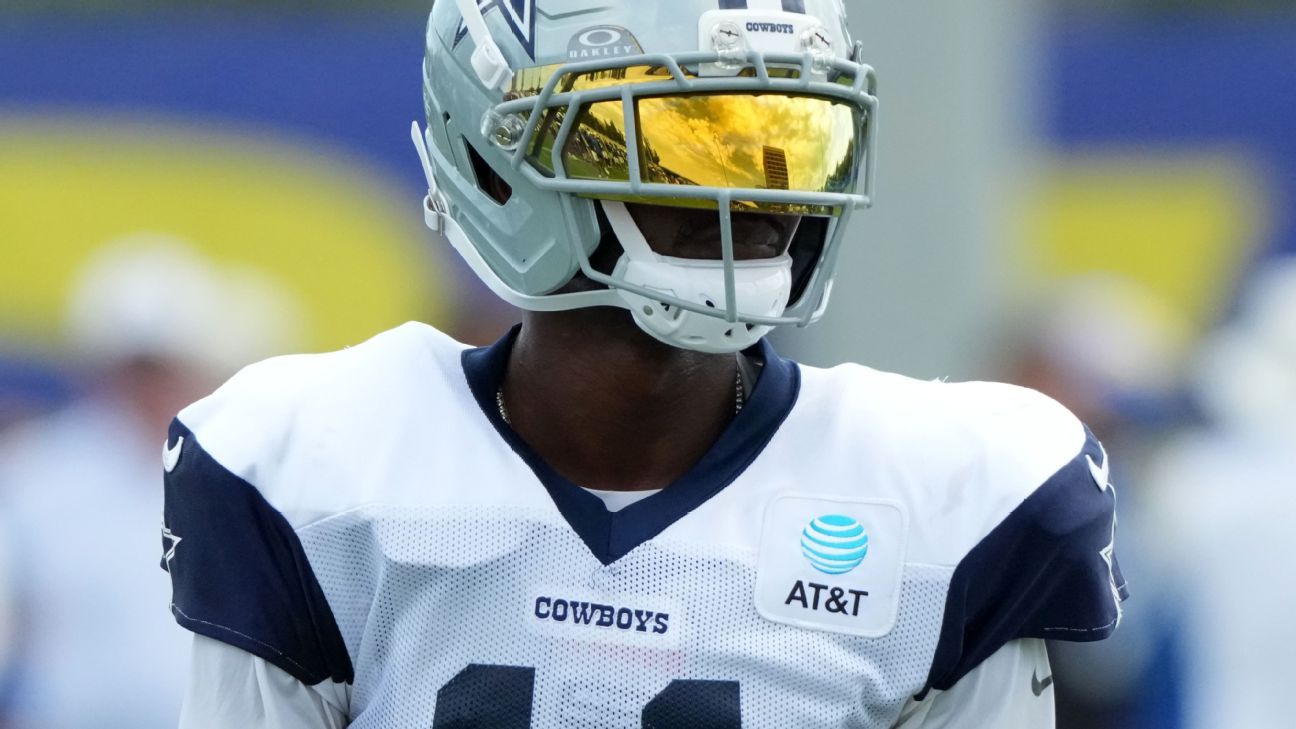
The Chargers signed Marquez Valdes-Scantling to the practice squad on Tuesday, one day after a loss to Arizona that stripped their receiving corps bare. Ladd McConkey (rib), KeAndre Lambert-Smith (hamstring, now on injured reserve for at least four weeks), and Derius Davis (shoulder) all exited Sunday's game damaged. The team also elevated Gary Jennings from the practice squad to the active roster. McConkey had 5 catches for 82 yards before absorbing a hit from linebacker Mack Wilson Sr. on a third-quarter in-breaker; Davis landed awkwardly on a deep throw into double coverage that resulted in an Andrew Wingard interception. This isn't a mid-season casualty list—this is Week 1 attrition hitting the one position group the Chargers need functional to run Jim Harbaugh's first-season playbook.
Valdes-Scantling, 31, arrives as a journeyman veteran with seven career NFL stops: four seasons in Green Bay, two with Kansas City, plus stints in Buffalo, New Orleans, San Francisco, and Pittsburgh. He was released by Dallas during final cutdowns after training camp. His resume reads as capable depth for a road game or a bye-week scramble, not as a Week 2 primary target. Jennings carries similar pedigree—a depth receiver capable of running routes but not a snap-count driver. The Chargers are not replacing McConkey with equivalent talent; they're replacing him with body count.
For Justin Herbert's prop slate going forward, this matters mechanically. With McConkey sidelined, Herbert loses his primary underneath threat and highest-separation receiver on this roster. McConkey's role before Sunday was not a deep-shot specialist—he was a schematic centerpiece, particularly on slants and crossing routes that allowed quick throws against man coverage. Lambert-Smith's four-game absence removes a second capable target in the intermediate range. Herbert will face more defensive flexibility: safeties sitting deeper, linebackers tighter on receivers in sympathetic coverage. His completion percentage should contract by 2-3 percentage points. His yards per attempt likely falls by half a yard. Average depth of target shifts upfield, toward checkdowns and dump routes.
The betting implications track directly to volume and efficiency. Herbert's passing-yards line—typically set around 260-280 in Week 2 given the Chargers' early-season pace and Harbaugh's play-calling—will likely stay in that range or slightly higher if the book senses panic or overreaction to Week 1. But the real damage isn't in the total; it's in the completion-percentage props and his passing-touchdowns floor. With lesser receivers running less precise routes (Valdes-Scantling and Jennings are not McConkey), Herbert's decision window compresses. Interception risk upticks. His TD upside dulls. An over on his passing yards at 265+ becomes a fade play until McConkey returns. The line will eventually adjust for receiver quality, but early numbers (within 24-48 hours of this signing) may not yet price the route-running and separation loss. Take unders on Herbert's completion percentage (likely around 62-63% before adjustment) and fade his anytime-TD props until the depth chart stabilizes.
This is not a multi-week pattern—it's an acute inventory crisis that will fade once McConkey or another proven receiver returns. Single-game and next-opponent edges are sharp here because the market often underestimates route-quality attrition in real-time.